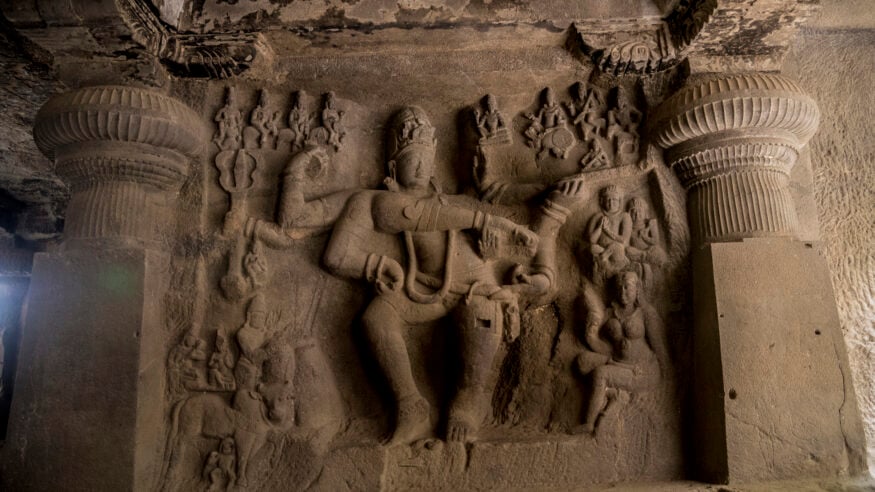
Tandur Bhadrappa Temple, also known as Bhavigi Bhadreshwara Swamy Temple, stands at the main chowrasta of Tandur in Vikarabad district, Telangana. Recognized as a prominent Shiva temple of the region, it serves as a living center of devotion, community life, and cultural memory for residents and visiting devotees alike.
Constructed in 1940, the temple follows the Veera Shaiva Agama procedure, reflecting the continuity of Shaiva ritual discipline within a modern-era sanctuary. Its location at the town’s crossroads reinforces the temple’s role as both a spiritual anchor and a civic landmark, where pathways converge and collective life finds rhythm around sacred observances.
The ritual calendar comes alive in Chaitra Masam as per the Telugu calendar, when the temple hosts the solemn and celebratory Rathotsavam and Brahmotsavams. These festivals draw devotees from across the Vikarabad district and beyond, offering an immersive experience of Shaiva devotion through processions, music, and communal worship. Visitors often remark on the atmosphere of serenity during early morning prayers and the palpable sense of shared purpose as the festivities unfold.
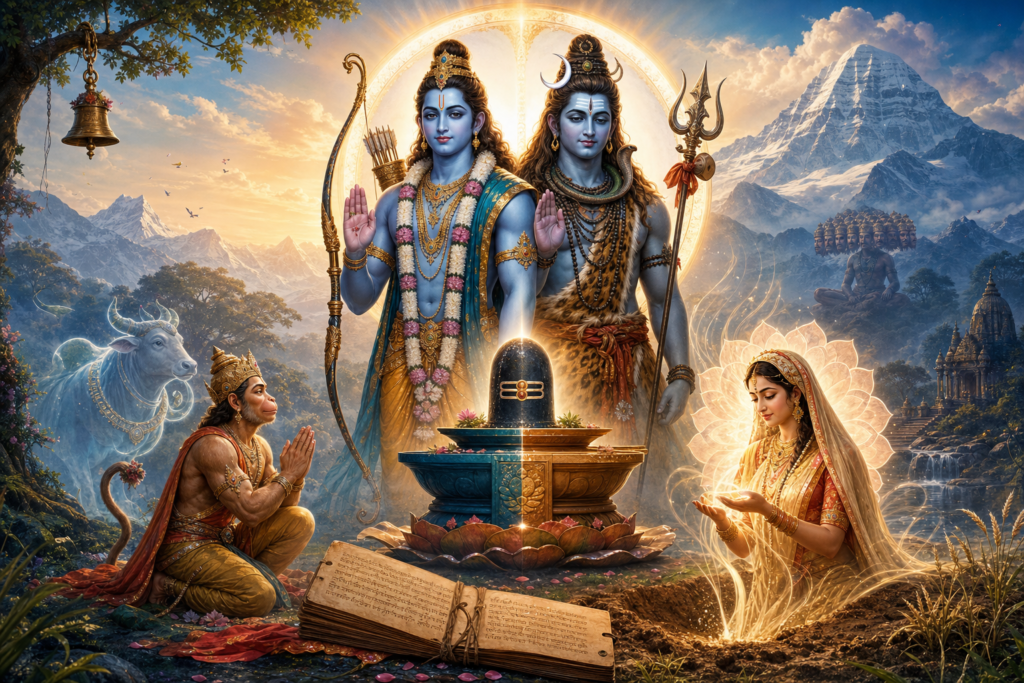
As a Shiva kshetra rooted in local tradition, the temple embodies the dharmic ethos of reverence, discipline, and service. The values encountered heredevotion (bhakti), ethical conduct, and communal harmonyresonate across the broader family of dharmic paths in Hinduism, Buddhism, Jainism, and Sikhism. In this shared spirit, the temple’s festivals and daily worship illustrate how diverse practices can uphold a common commitment to truth, compassion, and unity.
The Tandur Bhadrappa Temple also offers an accessible window into Telangana’s sacred geography. Its central location makes it easy to include in regional itineraries focused on Hindu temples and cultural heritage. While the temple is particularly vibrant during Chaitra Masam, the quieter days outside festive periods invite reflective visits in which the nuances of Veera Shaiva Agama observance and the temple’s historical setting can be appreciated at a measured pace.
Preserving and engaging with such spaces supports continuity in cultural heritage while welcoming contemporary seekers. Respectful participation in rituals, mindful observance of local customs, and an openness to the temple’s community-centered spirit enable meaningful encounters with both the sacred and the shared social life that surrounds it.
Inspired by this post on Hindu Pad.