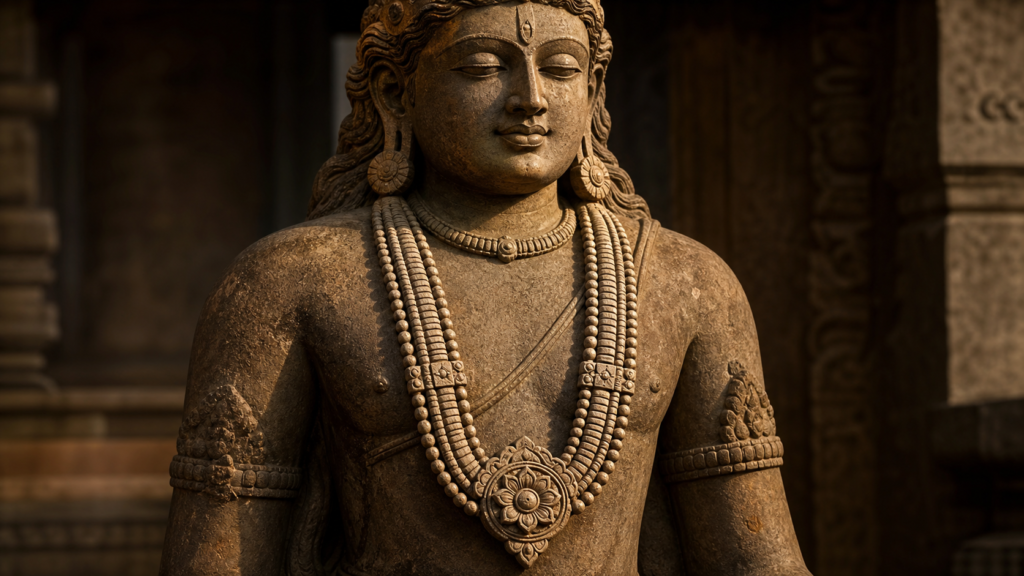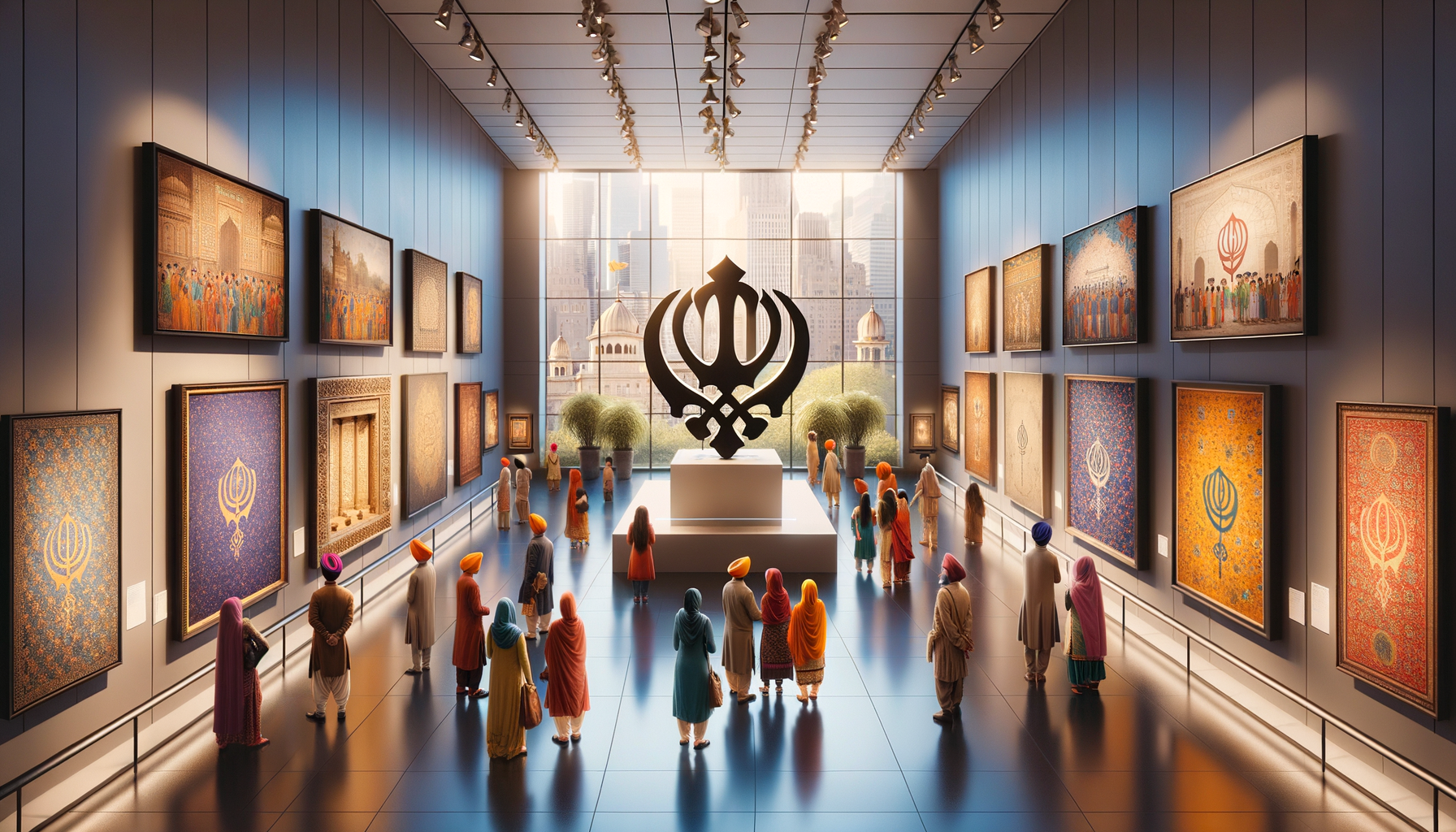
The Sikh Art Exhibition in New York City presents the Art of Punjab as a living bridge between heritage and contemporary urban life. Positioned within a global cultural hub, the exhibition highlights Sikh artistic traditions while inviting diverse audiences to engage with themes of devotion, community, and shared human values. The setting underscores how cultural heritage travels across borders, enriching collective understanding through thoughtful presentation and dialogue.
As an exploration of Cultural Heritage, the exhibition situates Sikh art within the broader civilizational tapestry of the Indian subcontinent. It emphasizes continuity and innovation, showing how forms rooted in Punjab’s history resonate with present-day sensibilities. This focus aligns with the goal of fostering unity among dharmic traditionsHinduism, Buddhism, Jainism, and Sikhismby foregrounding shared principles such as compassion, selfless service, and ethical living.
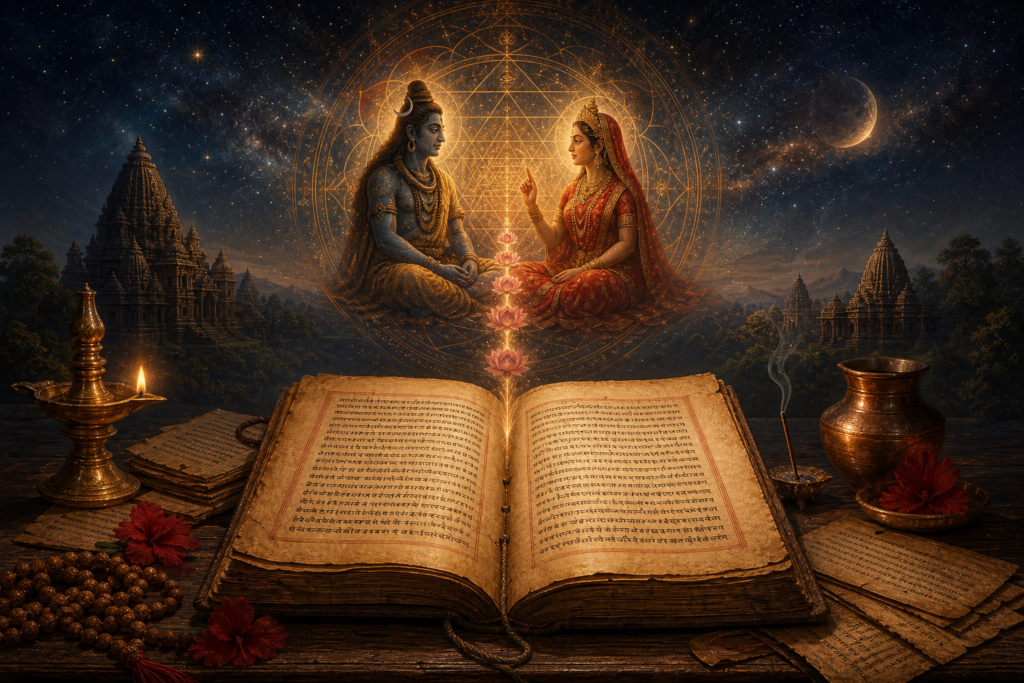
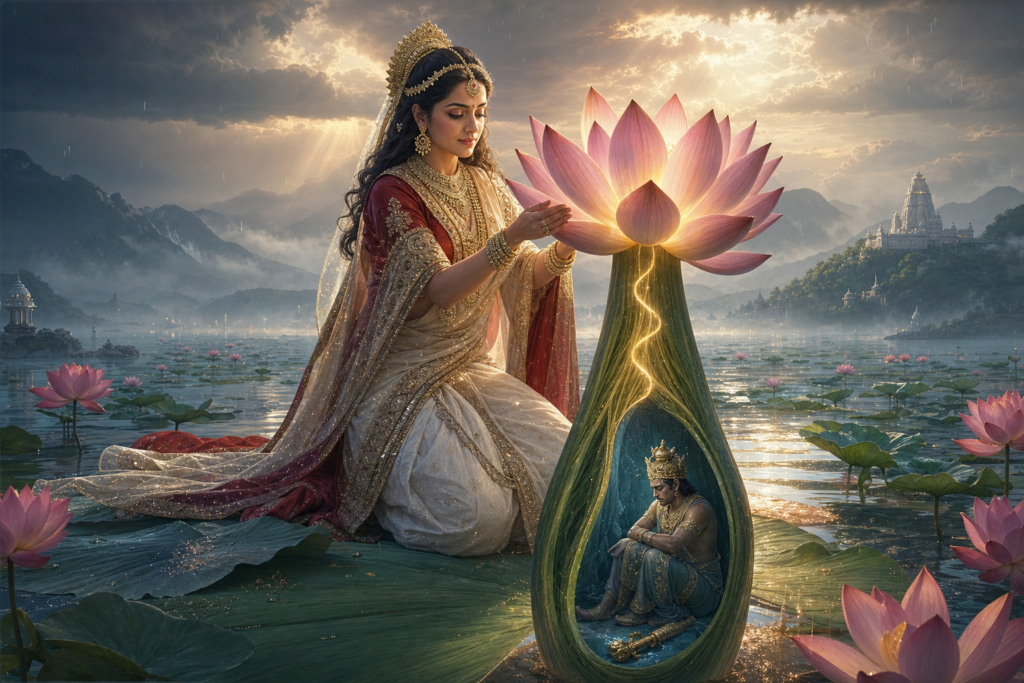
Visitors often encounter visual languages that Sikh art is known for: reverent depictions of sacred figures, expressive portrayals of community life, and meticulous attention to symbolism and calligraphic aesthetics associated with Gurbani. While each exhibit differs, such thematic threads typically invite contemplation on the inseparability of form and meaning. In this context, art functions not merely as an object of appreciation but as a medium of reflection on identity, belonging, and continuity.
The New York City environment adds an inclusive dimension to the experience. Attendees from many backgrounds frequently note how the exhibition promotes Cultural Exchange and Interfaith Dialogue through accessible curation and contextual insights. The result is a space where learning feels immersive and respectful, allowing viewers to connect emotionally with narratives of migration, resilience, and collective memory without losing sight of academic rigor and historical accuracy.
Crucially, the exhibition speaks to unity in diversity. Sikh aesthetics of seva (service), shaurya (valor), and sat (truth) harmonize with dharmic values recognizable across Hindu, Buddhist, and Jain traditionsnon-harm, duty, discipline, and inner refinement. By highlighting convergences rather than divisions, the exhibition demonstrates how spiritual ideals traverse communities, strengthening mutual respect and social cohesion.
For students, educators, and researchers, the exhibition offers a concise entry point into Sikh history, religious studies, and art history. Primary themesdevotional practice, ethical community life, and the preservation of memoryare presented in ways that support comparative inquiry across dharmic philosophies. This approach enhances critical understanding while nurturing empathy, a combination essential for responsible scholarship and civic engagement.
Families, community groups, and first-time visitors likewise benefit from the exhibition’s clarity of interpretation. The display illustrates how Punjab’s artistic heritage continues to evolve within the Sikh diaspora, demonstrating that tradition remains dynamic, adaptive, and inclusive. Through careful presentation, the exhibition underscores the idea that cultural preservation thrives when communities participate, dialogue, and learn together.
Ultimately, the Sikh Art Exhibition in New York City affirms that art is a catalyst for unity and understanding. By presenting the Art of Punjab with academic precision and human warmth, it invites reflection on how cultural memory informs ethical action today. In doing so, it contributes to a shared civic culture where dharmic traditions are appreciated as complementary strands of a common heritage.
Inspired by this post on SikhNet – News.