Hare Krishna Hare Krishna Krishna Krishna Hare Hare Hare Rama Hare Rama Rama Rama Hare Hare
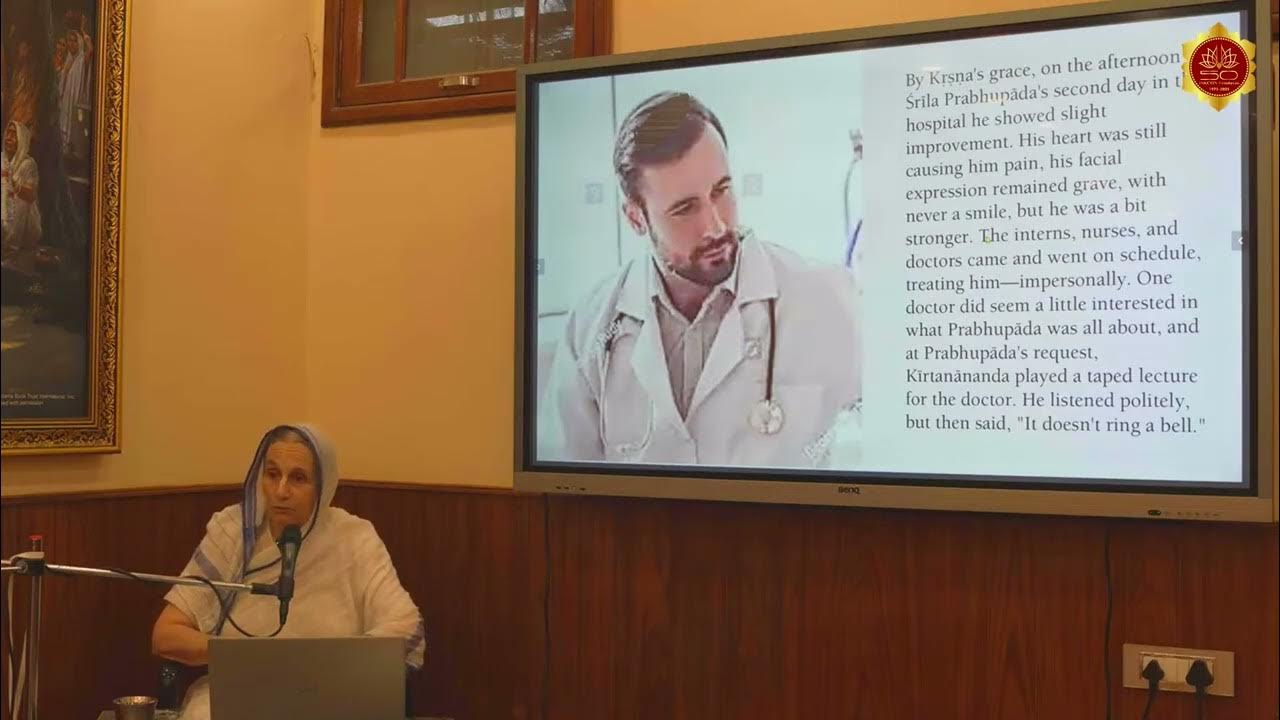
Srila Prabhupada Lilamrita / H.G. Daivi Shakti Mataji / 12.10.2025
This reflection presents an academically grounded overview of Srila Prabhupada Lilamrita and its living relevance within the Bhakti Tradition, drawing on insights associated with H.G. Daivi Shakti Mataji. It situates the text within a broader dharmic conversation, emphasizing how devotion (bhakti), disciplined practice (sadhana), and community service translate timeless Vedic wisdom into contemporary life.
Srila Prabhupada Lilamrita documents the journey and teachings of A.C. Bhaktivedanta Swami Prabhupada, whose work advanced Hindu spiritual traditions globally. The biography illustrates core principlesdevotion to Sri Krishna, respect for the Guru–Shishya Tradition, and dedication to disseminating spiritual knowledgethat continue to inspire seekers to cultivate clarity, integrity, and compassion in daily practice.
The mantra “Hare Krishna Hare Krishna Krishna Krishna Hare Hare Hare Rama Hare Rama Rama Rama Hare Hare” exemplifies an accessible path of chanting and japa that refines attention and uplifts consciousness. Comparable contemplative frameworks exist across dharmic paths: Buddhist mantra recitation, Jain samayik (equanimity practice), and Sikh simran (remembrance of the Divine). Together, these practices demonstrate unity in spiritual diversity while honoring distinct lineages.
Associated discussions on 12.10.2025 highlight how devotion, service, and remembrance create tangible social harmony. Listeners frequently report a steadying of the mind, a deepened sense of belonging, and renewed purposeexperiences that align with the ethical and contemplative aims of Hinduism, Buddhism, Jainism, and Sikhism, and reinforce shared commitments to nonviolence, truthfulness, and compassionate action.
From an applied perspective, three integrative steps often prove effective: sustaining a brief daily period of japa or mindful remembrance, studying biographical literature that models dharmic resilience, and engaging in community service that translates inner growth into outer benefit. This synthesis strengthens personal discipline while fostering civic responsibility.
Taken together, Srila Prabhupada Lilamrita and the teachings presented by H.G. Daivi Shakti Mataji offer a coherent pathway for modern seekers: anchor the heart in devotion, train the mind through disciplined practice, and express values through service. Such a path advances unity across dharmic traditionspreserving diversity of method while converging on shared ethical and spiritual goals.
Inspired by this post on Dandavats.