Dussehra, also known as Vijaya Dashami, is observed across India as a culminating moment of Navaratri, symbolizing the triumph of dharma over adharma. This pan-Indian festival is both a spiritual milestone and a cultural showcase, drawing millions into shared rituals, performances, and community gatherings that reinforce India’s living cultural heritage.
At its core, Dussehra communicates a moral philosophy that is widely appreciated across dharmic traditions: virtue, courage, and compassion ultimately prevail. The festival’s narratives and practices serve as social pedagogy, transmitting ethical ideals through public performance, communal worship, and participatory art. In doing so, Dussehra strengthens communal bonds and nurtures a sense of shared responsibility for cultural continuity.
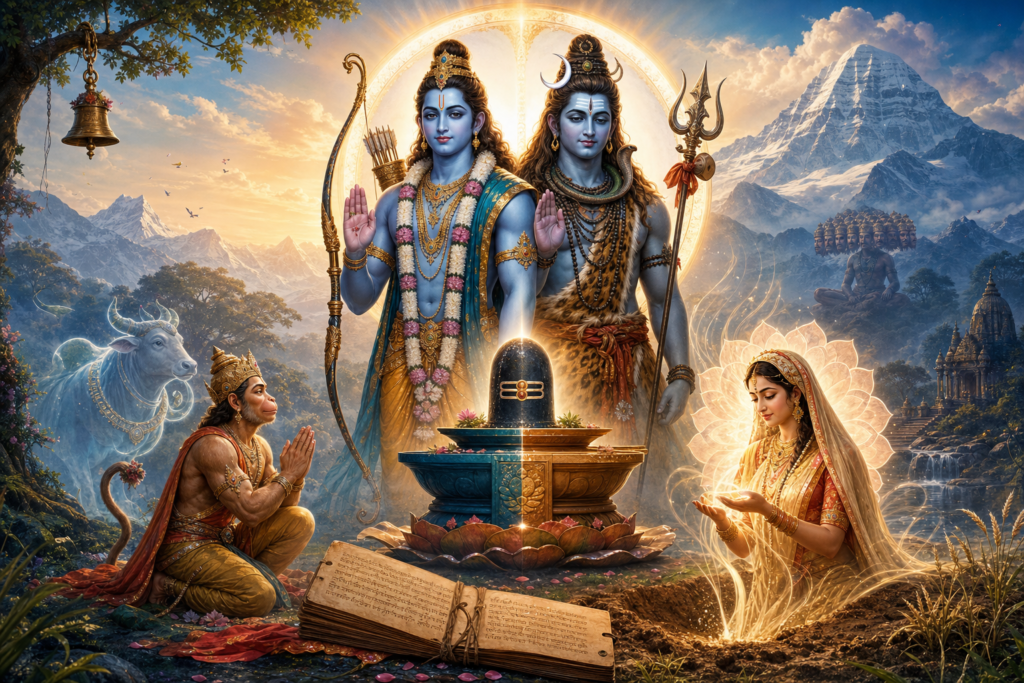
In North India, the festival is closely associated with Ramlila performances and the symbolic burning of Ravana effigies. Public groundsfrom Delhi’s iconic Ramlila Maidan to numerous town squarestransform into open-air theaters where audiences witness the dramatic arc of the Ramayana. The spectacle functions as civic education, blending devotion with dramaturgy and offering a compelling, accessible retelling of timeless ethics.
In the east, particularly in Kolkata and across Bengal, the grandeur of Durga Puja culminates on Vijaya Dashami with visarjan (immersion) processions. Artistic installations, classical music, and community-led pandals highlight extraordinary craftsmanship and collective organization. This regional expression complements Dussehra’s message by celebrating Devi as shakti and moral forcean emphasis that underscores the diversity of spiritual perspectives within a shared civilizational framework.
Southern observances add further depth. Mysuru Dasara in Karnataka stages royal processions, classical dance, and public illuminations that draw visitors from around the world. In Tamil Nadu, decorative Golu arrangements curate mythic and social tableaux at home and in temples, promoting intergenerational learning. Kerala’s emphasis on Vidyarambham during Vijaya Dashami, where children ceremonially begin learning, highlights the festival’s role in renewing knowledge traditions.
Western India contributes its own vibrancy: Gujarat’s Navaratri evenings pulse with Garba and Dandiya, where circular formations and rhythmic steps enact a kinesthetic devotion that is both inclusive and community-building. In Maharashtra, neighborhood celebrations and volunteer-driven programs emphasize service, safety, and cultural mentorship, illustrating how festive joy can coexist with civic discipline.
Himalayan traditions, notably Kullu Dussehra in Himachal Pradesh, convene deities from surrounding valleys for a week-long confluence of music, processions, and communal deliberation. This gathering exemplifies how regional customs serve as nodes in a broader network of shared dharmic values, reinforcing the festival’s integrative character across geography and community.
Importantly, the season fosters unity across Hinduism, Buddhism, Jainism, and Sikhism through shared ethical emphasis and community participation. In many towns and cities, dharmic communities collaborate on cultural programs, seva initiatives, and educational outreach during Navaratri and Vijaya Dashami. Such cooperation underscores a common commitment to compassion, knowledge, and social harmony, reflecting India’s ethos of “Unity in Diversity.”
The festival’s socio-cultural impact is substantial. Artisans, sculptors, costume designers, musicians, and performers sustain local economies while preserving intangible cultural heritage. Increasingly, eco-friendly practicessuch as natural dyes, biodegradable materials, and responsible immersionillustrate how tradition and sustainability can align to protect sacred ecologies and public spaces.
The author observed that processions in Delhi and Varanasi blend solemn devotion with civic pride, while community events in Kolkata and Mysuru reveal a careful balance between grandeur and stewardship. These field observations affirm that Dussehra’s lasting power lies not only in narrative or ritual, but in the participatory ethos that invites every generation to contribute to the festival’s meaning.
For those mapping India’s festive geography, notable sites include Ramlila grounds in Delhi and Ayodhya, Durga Puja pandals across Kolkata and the Bengal region, Mysuru Dasara’s royal avenues, Kullu Dussehra’s valley convergence, and Gujarat’s public squares alive with Garba and Dandiya. Each locale offers a distinct lens on Vijaya Dashami, yet all convey the same civilizational promise: that ethical living, community service, and cultural stewardship can transform society.
As Dussehra closes the Navaratri cycle, it renews resolve to cultivate inner strength and outer harmony. By honoring regional diversity and deepening collaboration among dharmic traditions, the festival remains a proven, living framework for cultural resilienceand a reminder that the victory of good is sustained through collective effort, learning, and compassion.