
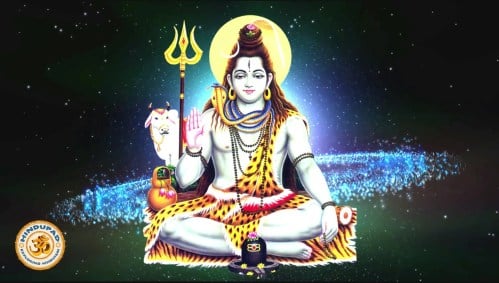
Essential answer: Shravan Somwar Vrat 2026 does not have one nationwide sequence of Gregorian dates. Devotees using the North Indian Purnimanta calendar observe Sawan Somvar on Monday, 3 August; Monday, 10 August; Monday, 17 August; and Monday, 24 August 2026. Marathi, Gujarati, Kannada and Telugu panchangs generally follow the later Amanta sequence: Monday, 17 August; Monday, 24 August; Monday, 31 August; and Monday, 7 September 2026. These regional schedules are confirmed in the 2026 Sawan Somwar calendar for New Delhi and the regional calendar listings.
The difference is a feature of India’s diverse lunisolar traditions, not a contradiction or printing error. North Indian Hindi panchangs commonly use Purnimanta month reckoning, while calendars followed in Maharashtra, Gujarat, Goa, Andhra Pradesh, Telangana, Karnataka and several other southern regions use Amanta reckoning for this observance. A devotee should therefore identify the calendar followed by the household, temple or sampradaya before marking the 2026 fasts.
North Indian Shravan Somwar dates for 2026
First Sawan Somvar — Monday, 3 August 2026: This is the first Monday within the North Indian Shravan month. It provides the natural point for taking a month-long sankalpa, beginning weekly Shiva worship or commencing Solah Somvar when that separate sixteen-Monday vow is intended.
Second Sawan Somvar — Monday, 10 August 2026: For many Indian locations, this Monday also coincides with Soma Pradosh because Trayodashi is present during the evening Pradosha period. The combination gives the day additional ritual importance in Shaiva practice, although the precise Pradosha interval must be calculated for the devotee’s city.
Third Sawan Somvar — Monday, 17 August 2026: This date also coincides with Nag Panchami in widely used Indian panchangs. Shiva’s iconography and sacred narratives are closely associated with nagas, so some households integrate respectful naga worship with the usual Monday abhisheka. Local customs should determine whether the observances are performed together or separately.
Fourth Sawan Somvar — Monday, 24 August 2026: This is the final Sawan Monday in the North Indian Purnimanta sequence. Devotees who undertook a four-Monday sankalpa commonly complete it with worship, naivedya, prayer, charity or another form of seva appropriate to their means.
In the Purnimanta calendar, Shravan begins on Thursday, 30 July 2026 and concludes on Friday, 28 August 2026. The four Mondays falling inside that interval are therefore 3, 10, 17 and 24 August. The regional beginning date is also recorded in HinduPad’s 2026 Shravan start-date summary.
Amanta Shravana Somavaram dates for 2026
First Shravana Somavaram — Monday, 17 August 2026: This is the first Monday after Shravana begins in Marathi, Gujarati, Kannada and Telugu panchangs. It is also Nag Panchami in many regional calendars, giving the opening Monday a distinctive ritual setting.
Second Shravana Somavaram — Monday, 24 August 2026: This date is shared with the North Indian sequence. Families following different lunar-month conventions can therefore observe the day together even though they number it differently.
Third Shravana Somavaram — Monday, 31 August 2026: By this date, North Indian Purnimanta Shravan has ended, but Amanta Shravana continues. This is one of the dates most often omitted when a North Indian calendar is mistakenly used for a Telugu, Kannada, Marathi or Gujarati observance.
Fourth Shravana Somavaram — Monday, 7 September 2026: This is the final Monday in the Amanta sequence. It falls before Shravana concludes on Friday, 11 September 2026.
The Amanta month begins on Thursday, 13 August 2026 and ends on Friday, 11 September 2026. Its four Mondays are consequently 17, 24 and 31 August, followed by 7 September. Andhra Pradesh, Telangana, Karnataka, Maharashtra, Gujarat and Goa are among the regions commonly associated with this sequence.
Solar-calendar dates in Nepal and parts of the Himalayan region: Some Nepali traditions, as well as certain communities in Uttarakhand and Himachal Pradesh, determine Sawan through a solar calendar. The relevant 2026 Mondays are 20 July, 27 July, 3 August and 10 August, within a solar Shravan interval running approximately from 16 July to 16 August. This third sequence is another reason that location and inherited practice must be stated whenever Sawan Somvar dates are published.
Why the dates differ: the technical calendar explanation
A panchang coordinates several forms of time rather than merely translating a lunar date into the Gregorian calendar. Its five classical limbs are tithi, vara, nakshatra, yoga and karana. Shravan Somwar combines two calendrical conditions: the vara must be Monday, and that Monday must fall within the locally recognized lunar or solar month of Shravan. It is not tied to one repeating tithi, which is why the four Mondays can fall on different lunar days.
Under Purnimanta reckoning, a lunar month concludes with Purnima. Shravan 2026 therefore begins after the Ashadha full moon, with the Krishna Paksha portion of the month, and ends on Shravan Purnima. For North India, that produces the civil-date window from 30 July through 28 August.
Under Amanta reckoning, a lunar month concludes with Amavasya. Shravana 2026 begins after the Ashadha new moon, with Shukla Paksha, and continues through the next Amavasya. That produces the later interval from 13 August through 11 September. The underlying lunar phases are the same; the systems group the fortnights under month names differently.
The overlap between the two systems explains the shared Mondays of 17 and 24 August. The North Indian month has already begun when the Amanta month opens on 13 August, and it remains active until 28 August. After that point, the Amanta month continues for another fortnight, producing the additional Mondays of 31 August and 7 September.
Neither calendar is spiritually inferior or astronomically careless merely because its month boundary differs. Purnimanta, Amanta and solar forms are legitimate regional systems with long histories. Sound calendar practice identifies the convention being used instead of presenting one regional list as universally binding. The Shravan lunar-month explanation provides additional detail on these two cycles.
Traditional festival assignment also depends on local sunrise and, for some observances, whether a particular tithi prevails during a required part of the day. A calendar prepared for Delhi, Hyderabad or Mumbai should not automatically be treated as a precise timing guide for Toronto, London, Singapore or Sydney. Diaspora devotees should use a city-specific panchang or consult a nearby temple, especially for Pradosha, parana, sankalpa and tithi-sensitive associated festivals.
The spellings Shravan, Shravana and Sawan refer to related regional forms of the month’s name. Somwar, Somvar, Somavara and Somavaram similarly denote Monday in different linguistic settings. These variations are culturally meaningful but do not represent competing deities or fundamentally different vows.
What Shravan Somwar Vrat means
The Sanskrit concept of vrata is broader than abstaining from food. It describes a chosen religious commitment that may include dietary restraint, worship, mantra-japa, ethical discipline, study, charity and control of habitual impulses. Upavasa is commonly expressed through fasting, but the devotional purpose is not served by food restriction alone. A carefully observed vrat integrates body, speech, attention and conduct.
Monday is Somavara, the weekday associated with Soma or Chandra. Shiva is widely represented with the crescent moon and is praised as Someshvara, creating a strong ritual connection between Monday and Shaiva worship. When Monday falls within Shravan, the weekly association and the sacred month reinforce one another in the devotional calendar.
Puranic tradition also connects Shravan devotion with the Samudra Manthana narrative. When halahala emerged during the churning of the ocean, Shiva contained the poison and became Nilakantha. Devotional interpretation associates offerings of cool water with gratitude for this cosmic act. This account should be understood as sacred narrative and theology rather than presented as a modern empirical or historical claim.
Shravan also unfolds during the monsoon across much of India. Rain, renewed vegetation and the sound of flowing water give seasonal depth to abhisheka and other water-centred forms of worship. The recurring Monday observance can transform an ordinary workweek into a deliberate pause, linking household memory, temple practice and present-day spiritual discipline.
Although Shiva is central, regional worship is not always exclusively Shaiva. Some families honour Shiva with Goddess Parvati, Kartikeya or other deities, while the wider month also contains Vaishnava, Shakta and local observances. Such plurality reflects the layered nature of Hindu practice rather than a need to force every community into a single ritual template.
The ethical values cultivated through the vrat can also support respectful relations among Hindu, Buddhist, Jain and Sikh communities. These traditions do not hold identical views of ritual fasting, deity worship or liberation, and those differences should not be erased. Their constructive common ground lies in disciplined conduct, compassion, truthfulness, non-harm, service and reverence for sincere spiritual practice. Dharmic unity is strengthened through informed respect, not homogenization.
A practical Shravan Somwar puja framework
There is no single pan-Hindu Shravan Somwar Puja that overrides family, temple and sampradaya traditions. A household procedure may be brief and devotional, while a temple may conduct elaborate Rudrabhishekam under trained priests. The appropriate standard is consistency with the chosen tradition, sincerity of sankalpa and responsible treatment of offerings.
Preparation and sankalpa: The space and body are traditionally cleaned before worship. The devotee then forms a clear sankalpa stating the intention to observe Shravan Somwar Vrat according to capacity. The commitment may include all four regional Mondays, one specific Monday, a food discipline, a fixed period of mantra-japa or an act of seva. A complex Sanskrit formula is not necessary when it is not known; clarity and honesty are preferable to mechanically reciting an unfamiliar declaration.
Establishing the worship: A Shiva linga, authorized murti or image may be placed on a clean, stable surface if worship is performed at home. A lamp, incense where safe, clean water, flowers, bilva leaves, fruit and a simple naivedya are commonly used. A devotee without materials can undertake mantra-japa, scriptural reading or manasa puja without treating material abundance as the measure of devotion.
Abhisheka: Clean water is the simplest and most widely accessible offering. Some traditions also use panchamrita or modest quantities of milk, curd, ghee, honey and sugar, followed by water. These substances are customary rather than universally mandatory. Temple instructions, the nature of the sacred image, hygiene and responsible use of food should guide the procedure.
Bilva and other offerings: Bilva patra is closely associated with Shiva worship, and its three leaflets carry several traditional symbolic interpretations. Flowers, sandalwood, fruit and other locally accepted items may also be offered. Leaves should be obtained lawfully and without damaging protected trees, and a family tradition should be consulted before applying rigid internet lists of permitted or prohibited materials.
Mantra and contemplative practice: Repetition of “Om Namah Shivaya” is a widely followed form of Shiva japa. Depending on training and tradition, worship may also include the Mahamrityunjaya mantra, Shiva Sahasranama, Rudram, Shiva Chalisa, devotional hymns or quiet meditation. Vedic recitations requiring specific instruction should be learned through an appropriate teacher rather than reconstructed from uncertain phonetic spellings.
Prayer, arati and naivedya: Worship commonly concludes with prayer, arati and the offering of food. Prasada is then shared respectfully. If the vrat includes an evening meal, the meal may follow the concluding worship according to the original sankalpa and family custom.
Ethical completion: Restraint in anger, harsh speech, waste and harmful conduct gives the fast moral substance. Feeding a person in need, supporting animal welfare responsibly, helping an elder, maintaining a temple space or performing quiet community service can extend puja beyond the shrine. These actions should remain proportionate to the devotee’s means and should not become displays of status.
Resource care is especially relevant to water and food offerings. Excessive milk, packaged materials, plastic decorations or contaminated ritual residue should not be poured into public waterways. Modest offerings, reusable vessels and respectful composting of suitable natural materials allow devotion to remain consistent with environmental responsibility and ahimsa.
Forms of fasting and permitted foods
Shravan Somwar fasting exists on a spectrum. Some devotees undertake nirjala fasting, some drink water, some take fruit and milk, and others follow ekabhukta by eating one simple meal. A person may also abstain from a favourite food, entertainment, intoxicants or another habitual indulgence. The selected form should be defined in the sankalpa rather than changed repeatedly in response to social pressure.
Where phalahara is customary, permitted foods may include fruit, milk, yogurt, nuts, potatoes, sabudana, kuttu, singhara and sendha namak. Other households use different ingredients or avoid some of these foods. Rules concerning grains, pulses, ordinary salt, onion and garlic vary by region and sampradaya, so a North Indian fasting menu should not be described as the only authentic standard for Telugu, Kannada, Marathi or Gujarati devotees.
There is likewise no single nationwide parana time for every form of Somwar Vrat. Many devotees complete the fast after evening Shiva worship, while others take one permitted meal earlier according to their vow. When the observance is combined with Pradosha or another tithi-based vrata, the local panchang and the rules of that distinct vow become important.
Health and fasting safety: A vrat should not become a test of physical injury. Children, older adults, pregnant or breastfeeding people, those performing strenuous work, and anyone with a medical condition should adapt the practice appropriately. People with diabetes or those taking glucose-lowering medication can face hypoglycemia, hyperglycemia and dehydration during fasting; the National Institute of Diabetes and Digestive and Kidney Diseases guidance on fasting safely with diabetes recommends advance planning with a healthcare professional. Medication should never be stopped or altered without individualized medical advice.
If fasting produces faintness, confusion, severe weakness, signs of dehydration or another concerning symptom, health takes priority and the fast should be ended safely. A modified observance involving a simple diet, mantra-japa, charity or restraint from harmful habits can preserve the devotional intention without creating avoidable medical risk.
Shravan Somwar Vrat may be observed by devotees of any gender or marital status. Traditional communities sometimes emphasize marital wellbeing, family harmony or the hope for a suitable spouse, but these are not the only legitimate intentions. Spiritual discipline, gratitude, repentance, mental steadiness and devotion to Shiva are equally established motivations.
Questions concerning menstruation are addressed differently by households, temples and sampradayas; no single rule represents every Hindu community. Personal dignity and health should be respected. Where inherited custom limits physical ritual participation, prayer, japa, study and mental worship remain meaningful forms of observance.
Shravan Somwar and Solah Somvar are related but distinct: Shravan Somwar refers to the Mondays that occur within Shravan, which number four in the principal 2026 regional sequences. Solah Somvar is a vow covering sixteen consecutive Mondays. Some devotees begin that longer vow on the first Shravan Monday, but observing four Sawan Mondays does not automatically constitute completion of Solah Somvar.
Regional forms of observance
In parts of Maharashtra, Goa and the Konkan region, Shravan Mondays may include Shivamuth or Shivamushti. Some formulations involve offering a fistful of a designated grain on successive Mondays, with the grain changing from week to week. The exact sequence and eligibility are governed by local custom; the overview of Shiva vratas and Shivamuth illustrates one Maharashtrian formulation without establishing it as a universal rule.
In Andhra Pradesh, Telangana and Karnataka, the observance is commonly called Shravana Somavaram and may include temple Rudrabhishekam, household Shiva puja and family-specific fasting foods. The prominence of Shravan Monday is not uniform across all of South India; some communities place greater ritual emphasis on Kartika Somavara. Both patterns belong to the broader diversity of regional Hindu calendars.
Nepal has a strong public culture of Shiva worship during the solar Shravan season, with Pashupatinath serving as a prominent centre of devotion. Its solar reckoning explains why Nepali Monday dates can begin earlier than both the North Indian Purnimanta and western or southern Amanta lists.
Temple practice should be approached with consideration for local rules. Devotees should confirm whether personal abhisheka is permitted, what offerings the temple accepts, how queues are managed and whether photography is restricted. A home observance is often more suitable when crowding, disability, work obligations or travel makes temple attendance difficult.
Planning the 2026 observance
A practical calendar plan begins by selecting one regional system and recording all four dates. North Indian observers should mark 3, 10, 17 and 24 August. Amanta observers should mark 17, 24 and 31 August and 7 September. Nepali solar-calendar observers should verify 20 and 27 July and 3 and 10 August with a local patro. Mixing the opening date from one system with the closing date from another creates unnecessary confusion.
Because Monday is ordinarily a working or school day, preparation can be simple. Supplies may be arranged the previous evening, the sankalpa and brief worship completed in the morning, and a longer prayer or temple visit undertaken after work. The value of the observance does not depend on reproducing a large public ceremony inside a busy household.
If a Monday is missed through illness, travel, caregiving or another unavoidable circumstance, no universal remedy should be invented. The devotee may continue with the next scheduled Monday and seek guidance from the family tradition when the sankalpa contained a specific completion rule. Honest limitation is preferable to anxiety-driven ritual improvisation.
Exact nationwide puja minutes cannot be supplied responsibly because sunrise, sunset and tithi transitions depend on location. Morning worship is common for Shravan Somwar, while Pradosha worship is performed around the local evening interval when that observance applies. A city-specific panchang is required for technical muhurta calculations.
Common errors include assuming every Indian state follows the North Indian dates, treating food deprivation as the whole of the vrat, confusing four Shravan Mondays with Solah Somvar, copying another city’s tithi timings and presenting customary spiritual fruits as guaranteed material outcomes. Careful observance distinguishes inherited belief, regional practice, astronomical calculation and medical fact.
Religious literature and oral tradition describe Shravan Somwar Vrat as a means of seeking Shiva’s grace, peace, family wellbeing and fulfilment of worthy intentions. These are devotional claims rather than scientifically guaranteed medical, marital or financial results. An academic and factual presentation can respect the tradition while maintaining that distinction.
Key takeaway: The correct Shravan Somwar Vrat 2026 dates are determined by regional calendar practice. North Indian Purnimanta devotees observe 3, 10, 17 and 24 August; Amanta devotees observe 17, 24 and 31 August and 7 September; and some Nepali or Himalayan solar traditions follow 20 and 27 July and 3 and 10 August. Once the appropriate calendar is identified, a sincere observance can remain simple: clear sankalpa, responsible Shiva puja, suitable fasting, mantra, ethical restraint and compassionate service.
Research basis: The 2026 dates and regional spans were cross-checked with Drik Panchang’s location-based Sawan Somwar calendar, its technical explanation of Shravan month reckoning, and HinduPad’s regional Shravan beginning dates for 2026. Local panchang verification remains necessary for city-specific sunrise, tithi, Pradosha and parana timings.
Inspired by this post on Hindu Pad.











Leave a Reply
You must be logged in to post a comment.