

Bija mantras occupy a distinctive place in Hindu spirituality because they are treated not merely as words, but as concentrated forms of sacred sound. The Sanskrit word bija means seed, and this metaphor is central to understanding the subject. A seed may appear small, yet it contains the encoded possibility of a tree. In the same way, a bija mantra is traditionally understood as a compact sonic form that carries the potential of a larger deity principle, philosophical idea, or spiritual force.
This is why bija mantras have never been regarded casually in serious streams of Sanatana Dharma. They are short, often only one syllable, but brevity does not imply simplicity. In mantra shastra, the smallest sound may be the most concentrated. A syllable such as Om, Hrim, Shrim, Klim, Aim, Dum, Gam, or Lam is not treated as ordinary vocabulary. It functions as a sound-symbol, a vibrational formula, and a sacred point of entry into a larger field of worship, meditation, and inner transformation.
The caution surrounding bija mantras arises from this very density. In many Hindu traditions, a full mantra may contain a name, a devotional relationship, a prayer, and a clear orientation toward a deity. A bija mantra, by contrast, can work like an energetic abbreviation. It compresses meaning, deity-tattva, sound, intention, and subtle association into a form that requires proper context. Without that context, the practitioner may repeat the sound mechanically while remaining unaware of the discipline, purity, and responsibility that traditionally accompany it.
A useful academic way to approach bija mantras is to see them as part of a broader Sanskritic science of sacred sound. In Vedic and Tantric traditions, sound is not merely a tool of communication. It is connected with creation, consciousness, memory, rhythm, breath, and subtle perception. The concept of shabda, or sound, is deeply embedded in Indian philosophy. The spoken syllable, when transmitted properly and practiced with attention, is believed to influence the practitioner at physical, mental, emotional, and spiritual levels.
This does not mean that every claim made about mantra should be accepted without discrimination. A serious study of Hindu spiritual practice requires both reverence and discernment. Bija mantras should not be reduced to superstition, nor should they be exaggerated into instant solutions for wealth, attraction, power, or control. The classical attitude is more disciplined. Mantra is a sadhana, and sadhana requires preparation, ethical grounding, patience, humility, and guidance.
One reason bija mantras demand caution is their close relationship with initiation, known as diksha. In many sampradayas, especially within Tantric and Shakta traditions, certain bija mantras are given by a guru only after assessing the readiness of the disciple. This readiness is sometimes called adhikara. It includes temperament, discipline, intention, lifestyle, devotional maturity, and the capacity to sustain practice without egoistic misuse. The mantra is not treated as a public formula to be collected, but as a living discipline to be received.
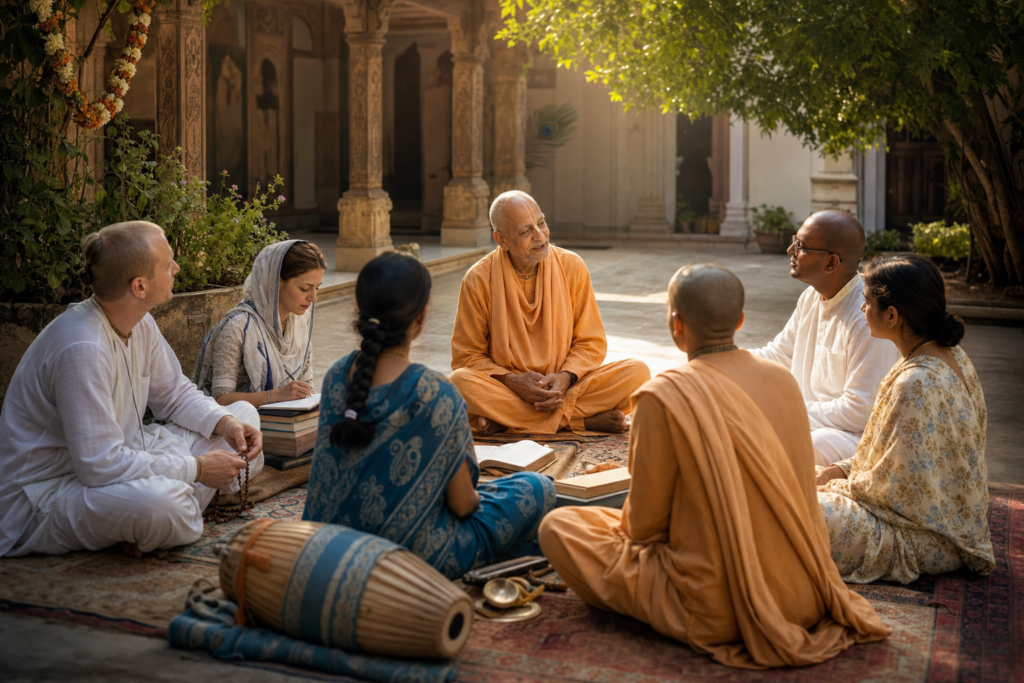
The guru-shishya tradition is therefore not a decorative feature of mantra practice. It is a safeguard. A qualified teacher does more than pronounce a syllable. The teacher explains its context, deity association, method of japa, pronunciation, restrictions, supporting practices, and the inner attitude required. The same sound may carry different meanings and methods in different traditions. A practitioner who learns only the syllable but not the tradition may mistake possession of information for actual spiritual preparation.
Pronunciation is another reason for caution. Sanskrit mantras depend on sound precision. Vowels, consonants, aspiration, nasalization, length, and tonal quality can all matter. A bija mantra is so compact that a small distortion may alter the sound pattern significantly. This does not mean that sincere devotion becomes invalid through minor human imperfection. It means that serious practice requires respect for phonetics. When sacred sound is treated as a technical discipline, care becomes part of devotion.
Traditional mantra practice also includes the relationship between sound and breath. Repetition is rarely meant to be a restless verbal habit. It is connected with attention, posture, rhythm, prana, and mental steadiness. Bija mantras are often linked with subtle anatomy, including chakras, nadis, and forms of pranic awareness. For example, seed syllables are sometimes associated with elements, deities, or energy centers. These associations should be studied carefully because they belong to specific systems rather than universal, one-size-fits-all instructions.
This is especially important in discussions of Kundalini Yoga and Tantrism. Modern popular culture often presents bija mantras as quick tools for awakening energy, opening chakras, or gaining extraordinary experiences. Classical traditions are more restrained. They generally insist that the awakening of subtle energies should be supported by purification, discipline, service, devotion, mental balance, and guidance. When intense practices are pursued for curiosity, status, or sensation, the practitioner may become more agitated rather than more peaceful.
The psychological dimension should not be ignored. Repetition of powerful sacred sounds can deepen concentration and emotional sensitivity. For many practitioners, mantra japa brings calmness, devotion, clarity, and inner steadiness. Yet intensive repetition, especially when combined with fasting, sleep deprivation, isolation, breath control, or unrealistic expectations, can also unsettle some individuals. People with anxiety, trauma, insomnia, or mental health vulnerabilities should approach intense spiritual practices gradually and responsibly, and should seek appropriate professional support when needed.
Another common problem is the commercial misuse of bija mantras. In digital spaces, sacred syllables are often marketed as shortcuts for attraction, domination, instant prosperity, or supernatural power. Such treatment weakens the ethical foundation of mantra practice. In Hindu philosophy, sound is not separated from dharma. A mantra used with greed, manipulation, or vanity contradicts the very refinement that spiritual practice is meant to cultivate. The danger is not only ritual error, but moral confusion.
The ethical frame is essential because bija mantras are traditionally connected to deities and cosmic principles, not merely personal desires. Shrim, for example, is associated in many contexts with Lakshmi-tattva, abundance, beauty, and auspiciousness. Aim is connected with Saraswati and learning. Gam is associated with Ganesha. Hrim is often discussed as a profound Shakti bija. These associations are not invitations to reduce deities into instruments of personal gain. They are invitations to align the practitioner with higher order, wisdom, purity, and responsibility.
In this sense, reverence is not fear. Reverence is intelligent restraint. It recognizes that sacred traditions evolved methods for a reason. A person does not need to be frightened of mantra, but neither should one treat it like a casual wellness trend. The balanced position is clear: devotional names, simple prayers, stotras, and widely accepted mantras may be practiced with sincerity by many people, while specialized bija mantras and Tantric formulas deserve guidance from a competent teacher within a trustworthy lineage.
The distinction between open devotional practice and initiated practice is valuable. Many Hindus chant the names of Rama, Krishna, Shiva, Devi, Ganesha, or Vishnu with love and confidence. Bhakti traditions often emphasize the accessibility of divine names. Sikh practice centers deeply on Naam, remembrance, and devotion to the Divine. Buddhist traditions include sacred recitations and, in Vajrayana contexts, carefully transmitted mantras. Jain traditions preserve disciplined forms of sacred recitation such as the Namokar Mantra. Across Dharmic traditions, sound is honored, but discipline and context remain important.
This shared respect for sacred sound can strengthen unity among Hinduism, Buddhism, Jainism, and Sikhism. These traditions do not need to be collapsed into one system, because each has its own theology, practice, and vocabulary. Yet they share a civilizational insight: speech matters, intention matters, repetition shapes consciousness, and spiritual practice must be joined with ethics. Bija mantra practice, when understood responsibly, can therefore become a point of deeper appreciation rather than sectarian argument.
A technical understanding of bija mantras also requires attention to mantra components. Many mantras include a rishi, chandas, devata, bija, shakti, and kilaka in traditional analysis. The rishi indicates the seer associated with the mantra. Chandas refers to meter. Devata identifies the deity principle. Bija is the seed sound. Shakti is the power of the mantra. Kilaka is sometimes understood as a lock or key. This structure shows that mantra practice was never merely a matter of repeating attractive syllables. It belonged to an integrated sacred science.
Nyasa is another important concept in some traditions. It involves ritually placing mantric sounds on parts of the body, symbolically consecrating the practitioner as a vessel of worship. Such practices are not casual meditation techniques. They require instruction and ritual literacy. The body, voice, breath, and mind are brought into a sacred alignment. Without understanding this framework, modern readers may isolate the bija syllable from the larger discipline that gives it meaning.
There is also a difference between listening, studying, and practicing. A person may academically study bija mantras, their history, and their role in Hindu scriptures without undertaking esoteric practice. One may listen respectfully to devotional chanting without claiming initiation. One may chant widely accepted prayers with humility. Problems arise when curiosity turns into self-authorized experimentation with practices that a tradition explicitly reserves for guided sadhana. Intellectual access does not automatically confer spiritual authorization.
The modern internet has intensified this confusion. Search engines provide syllables, deity associations, counts, promised results, and ritual fragments within seconds. What they rarely provide is accountability. They do not observe the practitioner’s mental state. They do not correct pronunciation. They do not explain lineage differences. They do not warn against egoistic ambition. They do not know whether a person is approaching the mantra with devotion, desperation, curiosity, or a desire for control. This is why inherited traditions place such importance on living guidance.
Still, caution should not be mistaken for exclusion. The purpose of caution is not to frighten sincere seekers away from Hindu spirituality. It is to protect the sanctity of practice and the well-being of practitioners. A beginner may start with foundational disciplines: ethical living, truthfulness, moderation, seva, study of scriptures, simple japa, meditation under guidance, and devotion to an Ishta Devata. Such foundations are not inferior to esoteric practice. In many cases, they are more transformative because they reshape daily life.
A relatable example can be drawn from ordinary learning. No responsible student begins advanced chemistry by mixing volatile substances without training. No musician masters a raga by randomly repeating notes without listening, correction, and discipline. No physician uses a potent treatment without diagnosis and dosage. In the same way, bija mantras are not dangerous because they are evil; they are powerful because they are concentrated. Power requires proportion, preparation, and respect.
This comparison also clarifies why some people may chant a bija mantra and feel nothing, while others may experience emotional intensity. Human beings differ in temperament, belief, attention, sensitivity, and prior conditioning. Traditions recognize these differences through the concept of adhikara. A practice that is suitable for one aspirant may not be appropriate for another. Mature spirituality does not ask everyone to follow the same method. It asks each person to follow a dharmic path with sincerity and guidance.
Another area requiring clarity is the relationship between mantra and desire. Many people approach mantras during times of distress: illness, fear, financial strain, grief, conflict, or uncertainty. This is human and understandable. Hindu traditions do not condemn the distressed seeker. The Bhagavad Gita itself recognizes different kinds of devotees, including those who approach the Divine in suffering. However, the deeper movement of sadhana is from demand to surrender, from anxiety to trust, and from acquisition to transformation.
Bija mantras, when approached correctly, are not merely tools for getting outcomes. They are means of refinement. They can train attention, discipline speech, sanctify breath, awaken devotion, and align the practitioner with a deity principle. The fruit of mantra is not only external benefit but internal reorientation. A person may begin by seeking protection or prosperity, but mature practice gradually asks whether the mind has become humbler, steadier, kinder, and more truthful.
This is where dharma becomes the central safeguard. If mantra practice increases arrogance, impatience, superiority, or contempt for others, something has gone wrong. If it deepens compassion, self-control, reverence, clarity, and service, the practice is moving in a healthier direction. Sacred sound should make the practitioner more aligned with dharma, not more obsessed with personal power. This principle is equally relevant across Hindu, Buddhist, Jain, and Sikh ethical traditions.
Scriptural and traditional contexts repeatedly emphasize purity of intention. Purity does not mean social perfection or ritual anxiety. It means that the practitioner approaches the mantra with honesty, humility, and willingness to be transformed. In many households, elders intuitively preserve this attitude. They may not speak in academic terms, but they understand that sacred words should not be shouted carelessly, mocked, commercialized, or used for manipulation. Their instinct reflects a deep civilizational memory.
The role of silence is equally important. Bija mantras are called seed sounds, but seeds grow in stillness. Constant public display, online performance, and spiritual branding can weaken the inwardness required for mantra sadhana. Traditional japa often values steadiness over spectacle. The most serious practice may be unseen, quiet, and disciplined. It may transform speech not by making a person louder, but by making words more truthful and restrained.
For beginners, the most responsible approach is to avoid self-selecting intense bija mantras from social media lists. Instead, one may study the philosophy of mantra, learn basic Sanskrit pronunciation, chant widely accepted prayers, practice simple remembrance of the Divine, and seek guidance from a qualified guru or knowledgeable practitioner. If a bija mantra is given within a lineage, the instructions of that lineage should be followed with consistency rather than mixed randomly with unrelated techniques.
It is also important to avoid fear-based claims. Some discussions portray bija mantras as if a single mistaken syllable will bring disaster. Such exaggerations can create unnecessary anxiety. The more balanced view is that sacred practices deserve care because they shape the mind and subtle life of the practitioner. Carelessness may lead to confusion, agitation, egoism, or wasted effort. Reverence, guidance, and moderation help preserve both spiritual depth and psychological balance.
In academic terms, bija mantras can be understood as a meeting point of theology, phonetics, ritual studies, psychology, yogic anatomy, and devotional practice. They are not reducible to one category. They are theological because they relate to deity principles. They are phonetic because sound precision matters. They are ritual because they may require method and initiation. They are psychological because repetition shapes attention. They are yogic because they may relate to prana and chakras. They are devotional because reverence gives them life.
The caution, therefore, is not anti-mantra. It is pro-mantra. It preserves the dignity of a practice that has been carried through generations by sages, teachers, householders, monks, yogis, and devotees. When bija mantras are removed from their ethical and spiritual ecosystem, they become exotic sounds. When they are restored to that ecosystem, they become sacred disciplines capable of deepening self-awareness, devotion, and inner order.
The final lesson is simple but profound: a seed should be planted in prepared soil. Bija mantras are spiritual seeds, and the soil is the practitioner’s life. If the soil is neglected, the seed may not grow properly. If the soil is prepared through dharma, humility, study, devotion, and guidance, the same seed may become a source of strength and illumination. This is why bija mantras should be used with utmost caution, not because sacred sound is to be feared, but because it is to be honored.
Inspired by this post on Hindu Blog.









Leave a Reply
You must be logged in to post a comment.