

Anant Chaturdashi 2026 falls on Friday, September 25, according to the commonly followed Hindu calendar reckoning for India. The observance takes place on Bhadrapada Shukla Chaturdashi, the fourteenth lunar day of the bright fortnight of Bhadrapada. It is known both as Anant Chaturdashi and Anantha Chaturdashi Vrata, and it carries a rare double significance: it is a sacred vrata dedicated to Lord Anantha Padmanabha Swamy, a form of Lord Vishnu associated with eternity, and it is also the widely observed day of Ganesh Visarjan at the conclusion of the ten-day Ganesh Chaturthi festival.
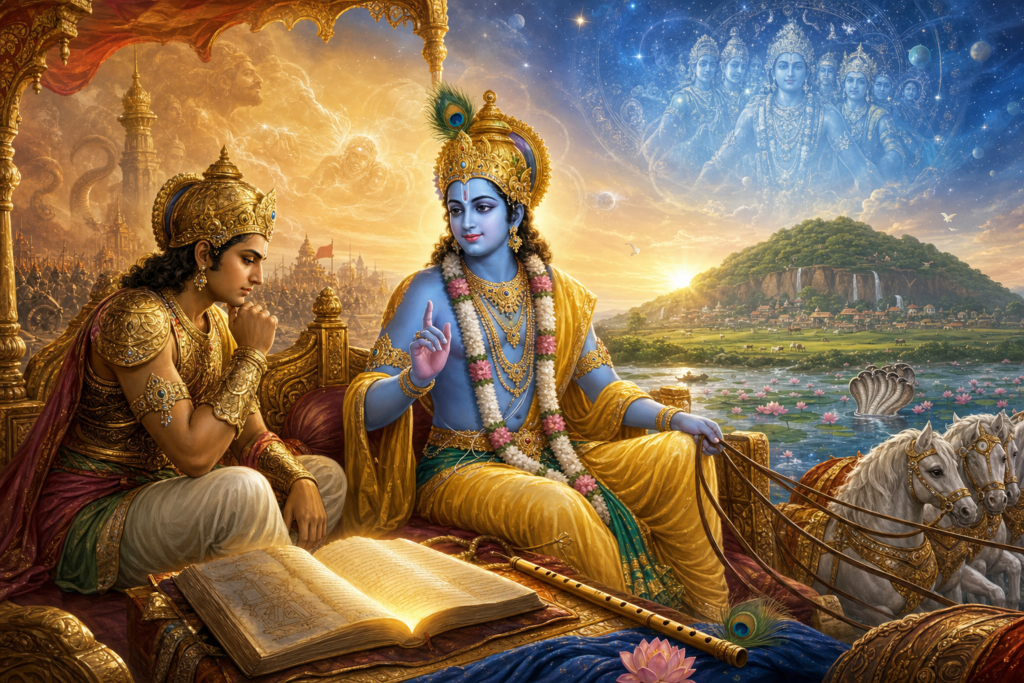
The word Anant means endless, infinite, or without limit. In theological terms, the festival turns attention toward Vishnu as the eternal preserver, the deity who sustains cosmic order across cycles of time. In devotional language, Anantha Padmanabha Swamy is visualized as Lord Vishnu reclining on Ananta Shesha, the cosmic serpent whose name itself suggests infinity. This imagery gives the vrata a profound philosophical depth: human life may be finite, uncertain, and marked by change, yet dharma points toward an order that is steady, sustaining, and beyond ordinary measurement.
For many households, Anant Chaturdashi is remembered first through the emotional farewell to Lord Ganesha. During Ganesh Navratri or Ganeshotsav, Lord Ganpati is worshipped for ten days with daily puja, aarti, offerings, family gatherings, community processions, and devotional singing. On Ananta Chaturthi, the murti is taken for visarjan, or ritual immersion, with prayers that express gratitude and the hope of welcoming Ganesha again the following year. The familiar cry of Ganpati Bappa Morya captures this emotional rhythm of arrival, worship, farewell, and return.
Although Ganesh Visarjan gives the day a strong public identity in Maharashtra, Goa, Karnataka, Telangana, Andhra Pradesh, Gujarat, and many diaspora communities, the older vrata dimension of the day remains centered on Lord Vishnu. The Ananta Vrata is traditionally performed for stability, prosperity, protection, marital harmony, and disciplined spiritual life. In some traditions, married couples observe the vow together, and the vrata is continued for fourteen consecutive years. This long duration is important because the vrata is not merely a single festive act; it is a disciplined commitment to remembrance, gratitude, and ethical steadiness.
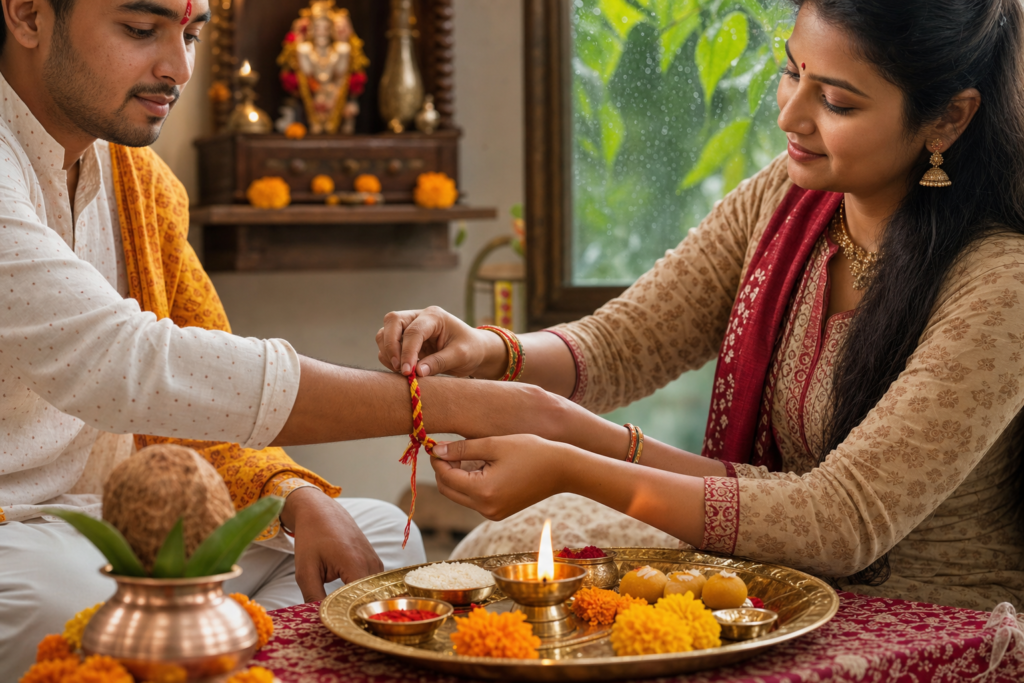
The number fourteen recurs throughout Anant Chaturdashi observances. A sacred thread, often called the Ananta Sutra or Ananta Daram, is prepared with fourteen knots. The thread is worshipped as a symbol of Ananta, and in many regions it is tied on the right arm by men and on the left arm by women. The knots are interpreted in different ways across regional traditions: as reminders of the fourteen worlds in Hindu cosmology, as markers of the fourteen-year vow, or as symbolic points of disciplined remembrance. The deeper message remains consistent: spiritual life becomes meaningful when sacred intention is tied to everyday conduct.
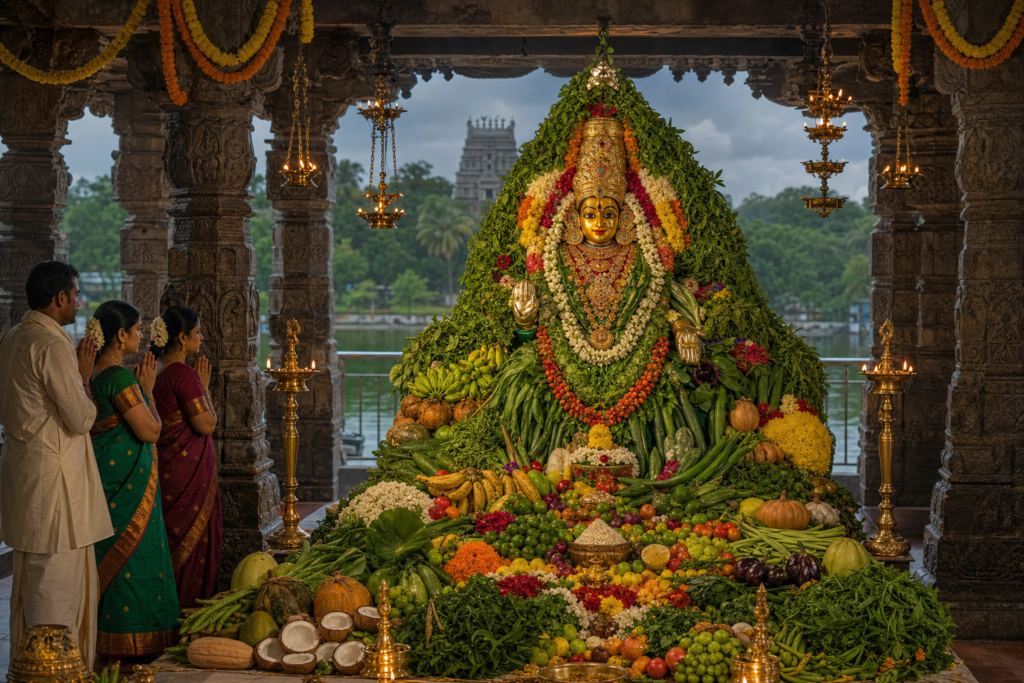
A typical Anant Chaturdashi vrat vidhi begins with purification, sankalpa, and the preparation of the puja space. Devotees may place an image or representation of Lord Vishnu, especially Anantha Padmanabha Swamy, and offer flowers, incense, lamp, fruits, sweets, and naivedya according to family tradition. In some parts of India, a kalasha, darbha grass, turmeric, kumkum, and panchamrita are used in the worship. The Ananta Sutra is sanctified during the puja and then tied with reverence. Devotees may observe a fast or follow a regulated diet, depending on health, family custom, and guidance from elders or priests.
The vrata katha associated with Anant Chaturdashi is traditionally linked with Sushila and Kaundinya. In the narrative, Sushila observes the Ananta Vrata and receives auspicious blessings. Kaundinya, failing to understand the sacred meaning of the thread, rejects it and later experiences misfortune. His eventual repentance and renewed devotion to Ananta restore harmony. This story is not merely a tale of reward and punishment; it is a study in humility. It teaches that material prosperity, household peace, and spiritual protection should not be separated from reverence, gratitude, and disciplined conduct.
From an academic perspective, the festival reveals how Hindu ritual culture often integrates theology, household ethics, cosmology, and community celebration within a single observance. On the same day, a devotee may participate in a public Ganesh Visarjan procession, perform a quiet Vishnu-centered vrata at home, listen to a traditional vrat katha, and reflect on the temporary nature of worldly possessions. This layered structure is one reason Hindu festivals remain culturally resilient. They do not operate only as public holidays; they function as living systems of memory, discipline, and meaning.
Anant Chaturdashi also offers a powerful lesson in impermanence. The immersion of the Ganesha murti is not a loss of the divine presence; it is a ritual expression of return. Clay returns to water, form returns to formlessness, and the household returns to ordinary life carrying the blessings of the festival. This movement from form to dissolution is emotionally moving because it mirrors human experience. Families decorate, gather, pray, sing, and then let go. The farewell becomes a spiritual exercise in non-attachment, gratitude, and renewal.
At the same time, the Vishnu-centered Ananta Vrata emphasizes continuity. If Ganesh Visarjan teaches the dignity of letting go, Ananta worship teaches the sustaining power of what does not end: dharma, truthfulness, devotion, and cosmic order. The pairing is intellectually elegant. Lord Ganesha, remover of obstacles and lord of auspicious beginnings, is bid farewell with love, while Lord Ananta is worshipped as the endless ground of stability. Together, the two dimensions create a complete spiritual grammar of life: begin with wisdom, act with devotion, release with grace, and remain anchored in the eternal.
Regional diversity adds further richness to Anant Chaturdashi. In Maharashtra, the day is closely associated with large Ganesh Visarjan processions, public mandals, devotional music, and community participation. In several Vaishnava households, the emphasis falls more strongly on Anantha Padmanabha Swamy and the Ananta Sutra. In parts of South India, the observance is known as Anantha Padmanabha Vratham. In North Indian and Nepali traditions, offerings connected with fourteen symbolic elements may be used. These variations should not be seen as contradictions; they show the adaptive strength of Sanatana Dharma across language, region, and lineage.
The day also has relevance for Jain traditions. Ananta Chaturdashi, often called Anant Chaudas in Jain usage, coincides with an important period around Paryushana and Das Lakshan Parva, especially among Digambara Jains. The following observance of Kshamavani, centered on forgiveness, carries a message deeply resonant with broader dharmic ethics. This shared calendar space is significant for a blog committed to unity among Hinduism, Buddhism, Jainism, and Sikhism. It demonstrates that dharmic traditions often preserve distinct theological identities while sharing values such as restraint, purification, forgiveness, discipline, and reverence for life.
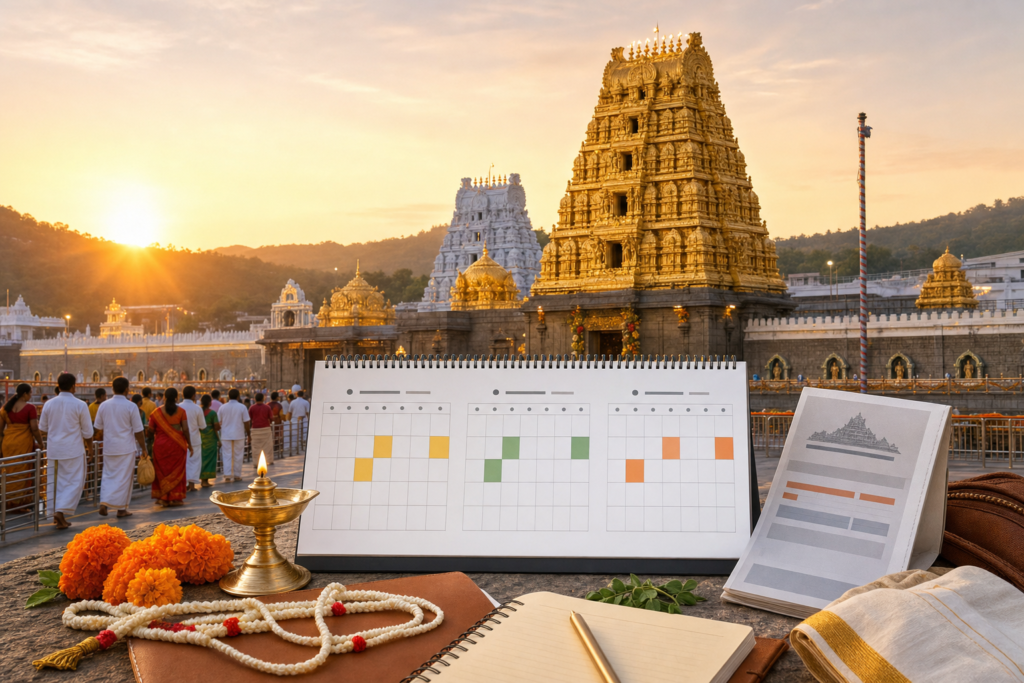
For 2026, devotees planning Anant Chaturdashi should remember that Hindu observances are governed by tithi rather than by the civil date alone. The date of September 25, 2026, is the commonly cited date for the observance in India, but exact puja timings can vary by location, sunrise, and local panchang calculations. Families outside India, including those in North America, Europe, Australia, Singapore, Malaysia, the Gulf, and New Zealand, should confirm local tithi timings with a trusted regional panchang or temple calendar. This is especially important for vrata sankalpa, visarjan timing, and community event scheduling.
Environmentally responsible Ganesh Visarjan has become an important contemporary concern. Traditional clay murtis dissolve naturally and align more closely with the symbolism of return to the elements. Large-scale use of plaster of Paris, chemical paints, plastic decorations, and synthetic materials can damage water bodies and weaken the ecological spirit of the ritual. A dharmic approach to celebration requires beauty, devotion, and responsibility to stand together. Eco-friendly murtis, artificial immersion tanks, reusable decorations, and community clean-up efforts allow devotees to honor Lord Ganesha while respecting rivers, lakes, and seas as sacred parts of creation.
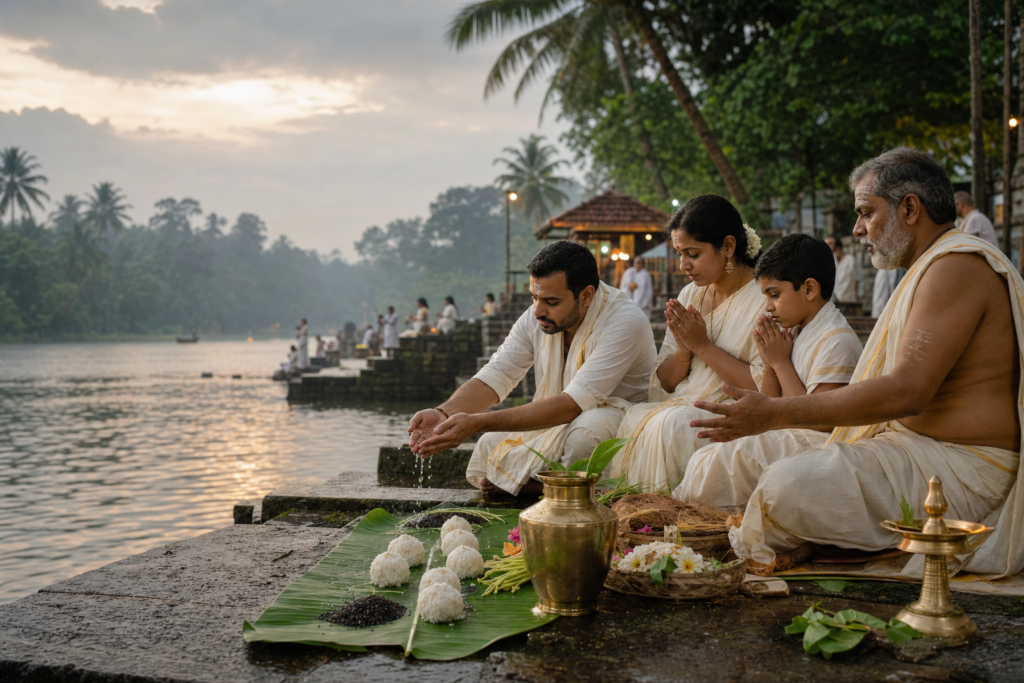
The household observance of Ananta Vrata can be simple or elaborate, depending on tradition. What matters most is sincerity, orderliness, and awareness of meaning. A clean puja space, a disciplined sankalpa, reverent worship of Lord Vishnu, recitation or hearing of the vrat katha, offering of naivedya, and respectful tying of the Ananta Sutra form the core devotional structure. Those observing a fast should do so responsibly, keeping health in mind. Dharma does not demand carelessness; it asks for self-regulation guided by wisdom.
Anant Chaturdashi 2026 therefore deserves to be understood as more than the final day of Ganesh Chaturthi. It is a festival of farewell and continuity, emotion and discipline, public devotion and private vow. It invites the devotee to honor Lord Ganesha with gratitude, worship Lord Anantha Padmanabha Swamy with steadiness, and recognize the shared dharmic values of restraint, forgiveness, ecological responsibility, and spiritual resilience. In a modern world often marked by speed and distraction, the vrata restores attention to what is enduring: faith, family, humility, and the infinite shelter of dharma.
Inspired by this post on Hindu Pad.



Leave a Reply
You must be logged in to post a comment.