
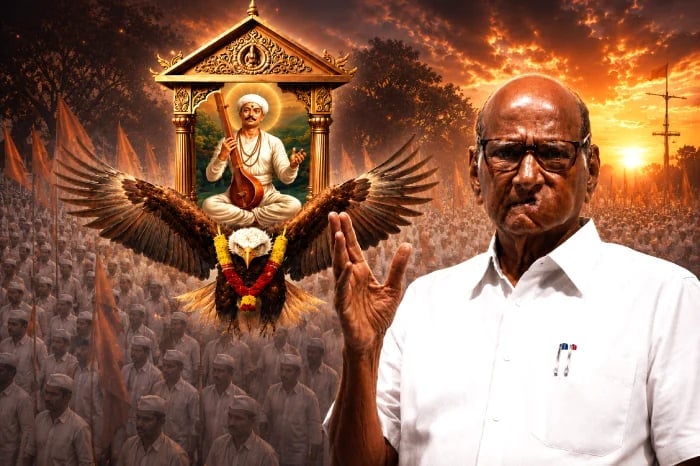
The Hindu Janajagruti Samiti’s demand for strict action against Sharad Pawar over his alleged remarks on Sant Tukaram Maharaj’s Vaikunthgaman reflects a wider and deeply felt concern within Maharashtra’s devotional public life: the need to treat revered saints, sacred traditions, and community sentiments with dignity. The organization is reported to have submitted a memorandum to the Chief Minister of Maharashtra, seeking action in response to what it described as a controversial and disrespectful statement concerning Sant Tukaram Maharaj’s divine departure.
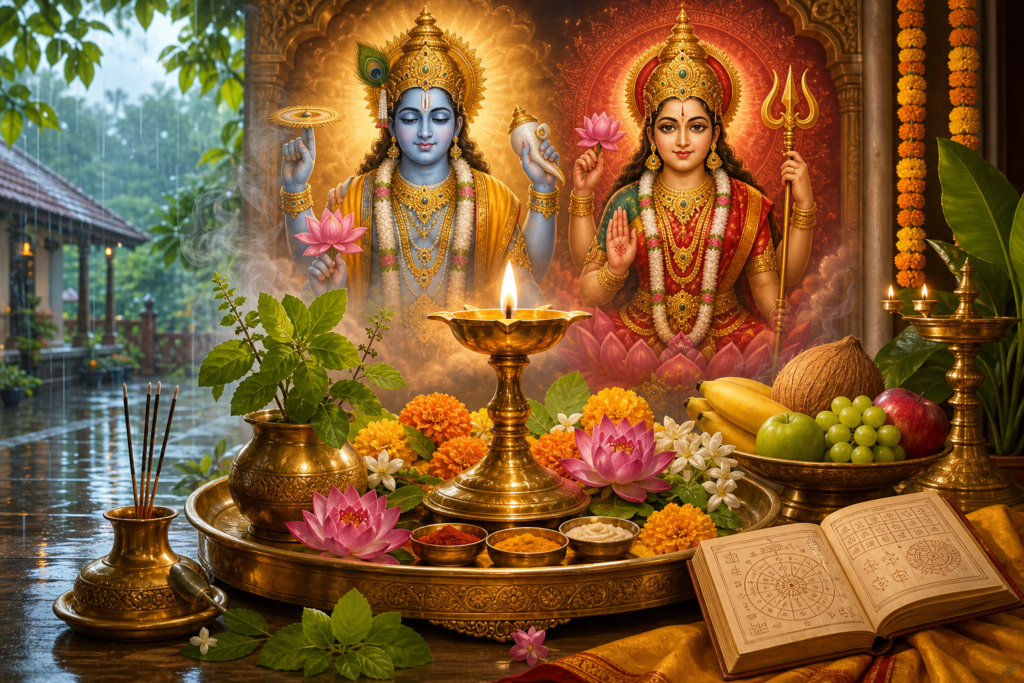
At the center of the issue is Vaikunthgaman, a sacred belief associated with Sant Tukaram Maharaj, one of the most beloved saints of the Varkari Sampradaya. In devotional memory, Vaikunthgaman refers to Sant Tukaram Maharaj’s ascent to Vaikuntha, the divine abode of Bhagwan Vishnu. For countless devotees, this is not merely a poetic legend or a cultural story; it is a living article of reverence woven into bhakti, pilgrimage, kirtan, abhang literature, and the collective spiritual identity of Maharashtra.

Sant Tukaram Maharaj occupies an extraordinary place in Hindu spirituality. His abhangs gave philosophical depth to devotion while remaining accessible to ordinary people. His teachings spoke of surrender, humility, moral conduct, remembrance of Bhagwan Vitthal, and the spiritual dignity of sincere bhakti. The Varkari tradition that venerates him has historically brought together people across regions, castes, occupations, and social backgrounds through the shared discipline of naam, kirtan, pilgrimage, and service.
That is why comments about Sant Tukaram Maharaj’s Vaikunthgaman can produce strong reactions when devotees perceive them as dismissive or mocking. In a plural society, historical analysis and public debate have their place, but the language used for sacred figures matters. Academic inquiry becomes constructive when it is careful, contextual, and respectful; it becomes socially disruptive when it appears to reduce cherished spiritual experiences to ridicule or partisan provocation.
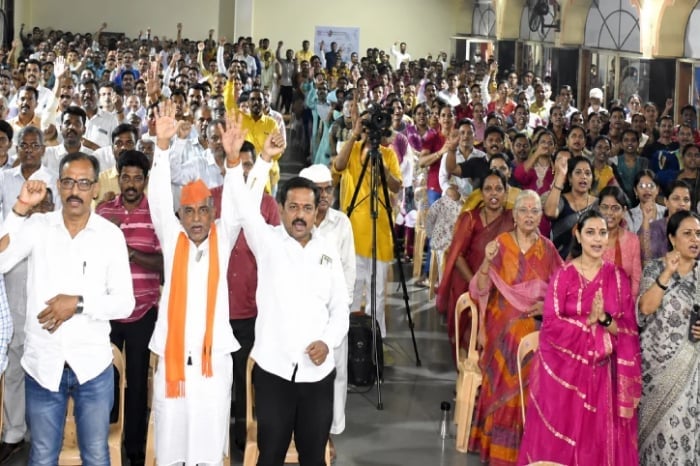
The Hindu Janajagruti Samiti’s memorandum should therefore be understood not only as a political demand, but also as an appeal for accountability in public speech. The organization’s position is that influential public figures carry a heightened responsibility when speaking about saints, scriptures, temples, rituals, and religious memory. In Maharashtra, where Sant Tukaram Maharaj is revered far beyond sectarian boundaries, the emotional weight of such remarks can be significant.
Sharad Pawar, as a senior political figure in Maharashtra, has long been part of the state’s public life. Statements attributed to leaders of such stature naturally receive wide attention. When those statements touch matters of faith, the resulting debate often moves beyond party politics and enters the realm of cultural ethics. The present controversy demonstrates how religious sentiment, historical memory, and democratic accountability intersect in modern India.
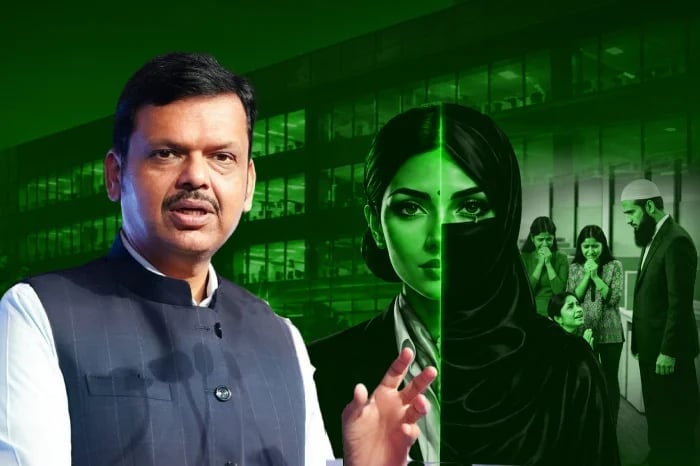
From a constitutional perspective, the issue sits within a delicate balance. India protects freedom of expression, but it also recognizes the importance of public order, religious harmony, and respect for communities. The practical challenge is to ensure that disagreement, scholarship, satire, and political commentary do not become vehicles for contempt toward living traditions. A mature public culture requires both intellectual freedom and restraint in matters that touch deeply held faith.
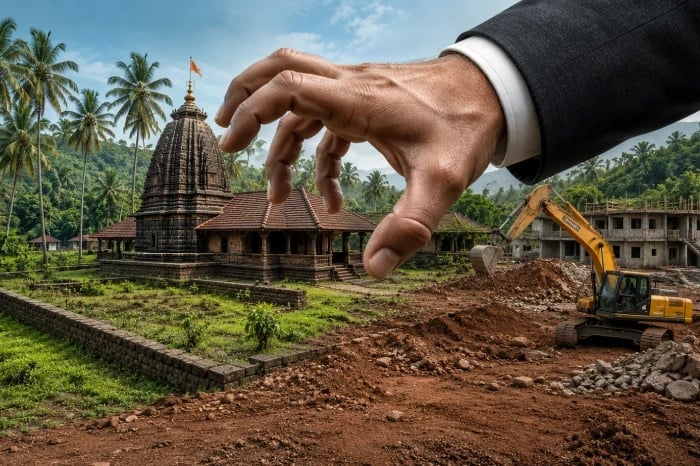
For devotees, Sant Tukaram Maharaj is not only a historical personality. He is a saint whose words continue to guide daily conduct, family prayer, pilgrimage, and community identity. The annual Ashadhi Wari to Pandharpur, the singing of abhangs, and the collective remembrance of Bhagwan Vitthal keep his legacy alive in homes, temples, public gatherings, and village traditions. Any discussion of Vaikunthgaman must therefore recognize its devotional function, not merely its historical framing.
The concern raised by Hindu Janajagruti Samiti also points toward a broader civilizational question: how should modern public discourse handle sacred narratives? Dharmic traditions contain multiple ways of understanding truth, including history, symbolism, philosophy, ritual memory, and lived spiritual experience. A sacred account may communicate theological meaning, ethical instruction, and communal continuity, even when discussed through different interpretive lenses.

This is especially important for unity among Hinduism, Buddhism, Jainism, and Sikhism, all of which preserve deep respect for saints, acharyas, gurus, munis, and realized beings. Dharmic traditions may differ in doctrine and practice, yet they share a civilizational ethic of reverence toward spiritual attainment. Public commentary that treats revered figures carelessly can weaken this ethic, while respectful debate can strengthen mutual understanding.
The memorandum submitted to the Maharashtra Chief Minister is therefore a call for official attention to religious sensitivity. Whether the matter proceeds through legal, administrative, or public dialogue mechanisms, the core concern remains the same: revered saints should not become targets of casual derision in political discourse. Public representatives and commentators can critique ideas or examine history without wounding communities that draw spiritual nourishment from those traditions.
A measured response from authorities would ideally focus on facts, due process, and social harmony. Any action must be based on verified statements, applicable law, and constitutional standards. At the same time, dismissing the feelings of devotees would be unwise, because faith communities often experience such controversies not as isolated comments, but as part of a larger pattern of cultural disrespect.
The episode also offers a lesson for media and political communication. Brief remarks can travel quickly, especially when clipped, circulated, and interpreted through partisan channels. In such an environment, leaders have a duty to clarify intent, avoid needless provocation, and acknowledge hurt where it has occurred. Responsible speech does not weaken democratic debate; it makes debate more credible.
For readers who value Maharashtra’s spiritual heritage, the controversy is a reminder of Sant Tukaram Maharaj’s enduring relevance. His teachings did not depend on power, wealth, or political authority. They reached people through humility, devotion, moral courage, and lyrical truth. That legacy deserves careful treatment from every institution that participates in public life, including political parties, civil society organizations, media platforms, and educational bodies.
Ultimately, the Hindu Janajagruti Samiti’s demand for action against Sharad Pawar should be seen within the larger framework of protecting religious dignity while preserving lawful and reasoned public discourse. The most constructive outcome would be one that upholds Sant Tukaram Maharaj’s revered place in Hindu culture, respects the sentiments of Varkari devotees, and encourages a more disciplined language of disagreement in Maharashtra’s political and cultural sphere.
Inspired by this post on Hindu Jagruti Samiti.





Leave a Reply
You must be logged in to post a comment.