

Shravan Month 2026 begins on different civil dates because Hindu lunar calendars are not followed in one uniform regional form across India. In the Purnimant tradition used widely in North Indian Hindi calendars, Shravan Maas begins on Thursday, July 30, 2026, with Shravan Krishna Pratipada, also called Shravan Vad Pratham in some regional usage. In the Amavasyant tradition followed in Maharashtra, Gujarat, Karnataka, Andhra Pradesh, Telangana and Goa, Shravan begins on Thursday, August 13, 2026, with Shravan Shukla Pratipada.
This distinction is essential for anyone preparing for Shravan Somvar Vrat, Mangala Gauri Vrat, Kanwar Yatra, Jalabhishek, Rudrabhishek, temple visits, or household observances dedicated to Lord Shiva and Goddess Parvati. A single Gregorian year can therefore show two Shravan start dates, not because of contradiction, but because of two valid methods of naming lunar months. The religious meaning remains shared, while the calendar reckoning differs by region and sampradaya.
In 2026, the Purnimant Shravan period runs from July 30 to August 28. This is the Shravan followed in many parts of Punjab, Himachal Pradesh, Uttarakhand, Delhi, Uttar Pradesh, Bihar, Odisha, Jharkhand, Chhattisgarh, Madhya Pradesh and Rajasthan. The month concludes with Shravan Purnima, which is also associated with Raksha Bandhan in many communities. For these regions, the first day is Shravan Krishna Pratipada, meaning the month begins immediately after the full moon of Ashadha.
In 2026, the Amavasyant Shravan period runs from August 13 to September 11. This system is used prominently in Maharashtra, Gujarat, Karnataka, Andhra Pradesh, Telangana and Goa. Here the month begins after Amavasya, so the first day is Shravan Shukla Pratipada. This explains why devotees in North India may already be observing Shravan while families in Maharashtra or Telugu-speaking regions are still completing Ashadha according to their local panchang.
The technical difference lies in the way the lunar month is counted. A lunar month is divided into two pakshas: Krishna Paksha, the waning half of the Moon, and Shukla Paksha, the waxing half. The Purnimant system begins the month after Purnima and places Krishna Paksha first. The Amavasyant system begins the month after Amavasya and places Shukla Paksha first. Both systems preserve the same lunar phases, tithis and sacred rhythms, but they assign the name Shravan to slightly different portions of the lunar cycle.
The word Shravana is connected with the Shravana nakshatra, especially the full moon’s association with that stellar region in traditional reckoning. In the broader Hindu calendar, Shravan usually falls during July and August, in the monsoon season. Its atmosphere is therefore deeply connected with rain, renewal, fertility, pilgrimage, restraint and worship. The month is not merely a date range; it is a cultural and spiritual season shaped by water, sound, discipline and inwardness.
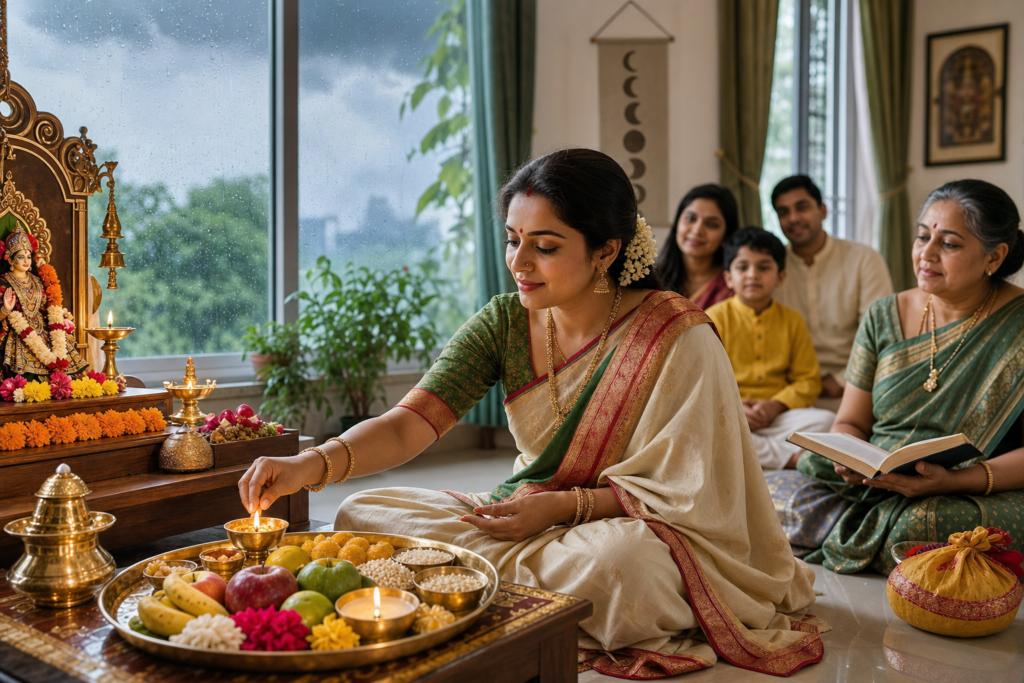
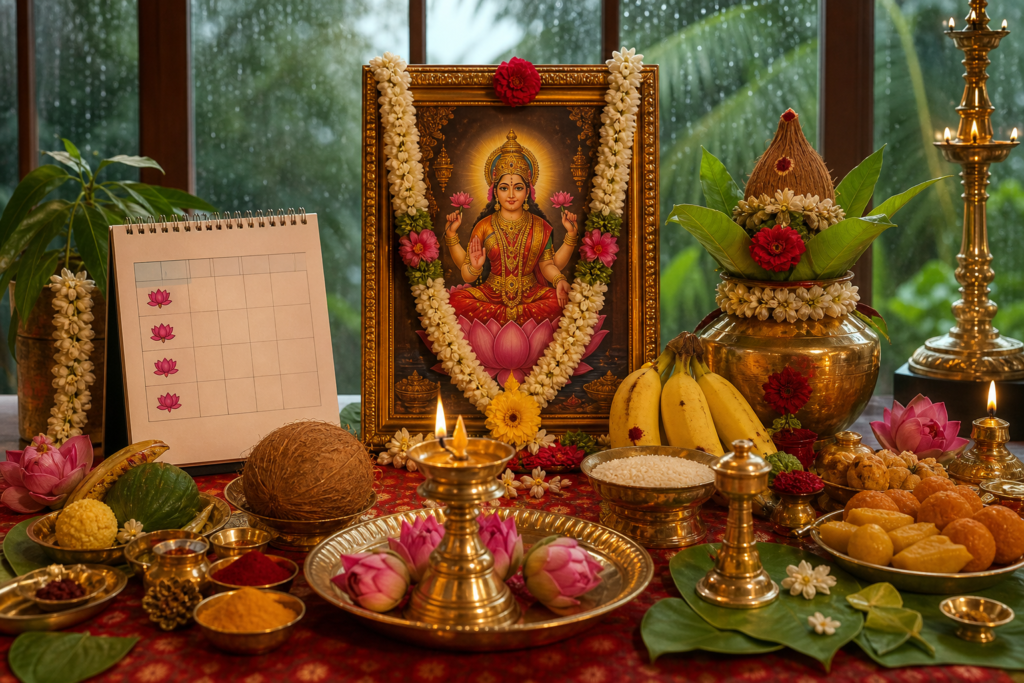
For many families, the arrival of Shravan is felt before it is studied. The sound of rain, the sight of fresh green leaves, the fragrance of wet earth, and the movement of devotees toward Shiva temples create a recognizable spiritual mood. Even those who cannot observe elaborate rituals often mark the month by lighting a lamp, offering water, chanting Om Namah Shivaya, avoiding harsh speech, simplifying food, and making space for reflection. This lived experience gives Shravan its enduring emotional force.
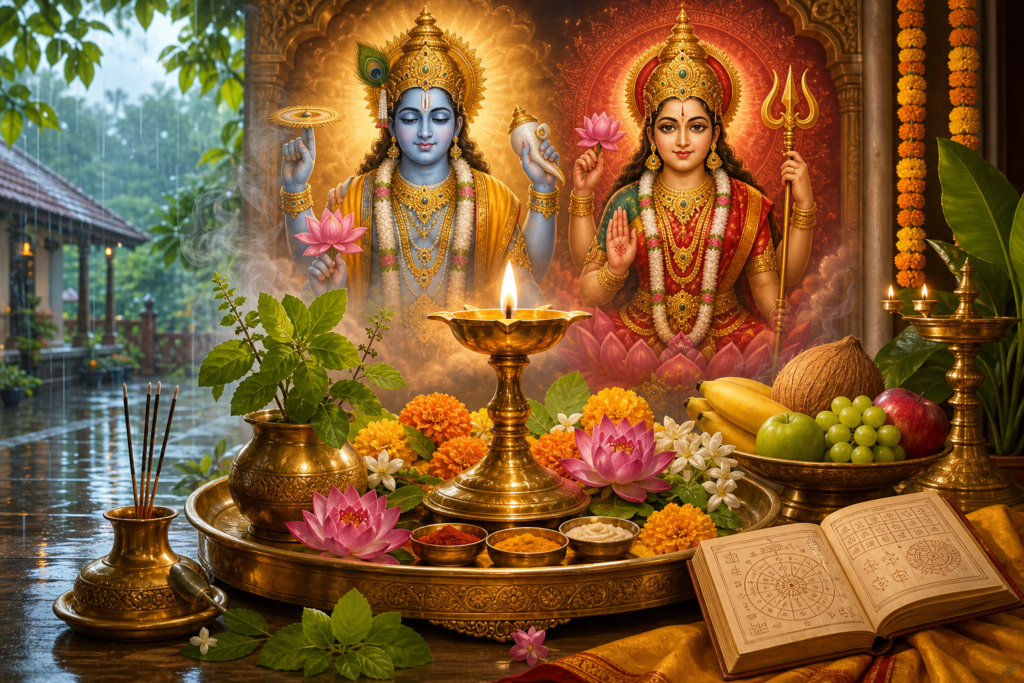
Shravan is especially associated with Lord Shiva. Devotees perform Jalabhishek by offering water to the Shiva Linga, often along with milk, bael leaves, flowers, dhatura, sandal paste and sacred mantras. Rudrabhishek, the ritual bathing of the Linga with Vedic chanting, is also performed in temples and homes. These practices express surrender, purification and alignment with the austere yet compassionate form of Shiva, who is revered as Mahadeva, Yogeshwara and the protector of devotees.
The Purnimant Shravan Somvar Vrat dates in 2026 are August 3, August 10, August 17 and August 24. These Mondays are observed by many North Indian devotees through fasting, Shiva Puja, mantra japa, temple visits and offerings of water to the Shiva Linga. The Monday association is central because Somvar is traditionally linked with Shiva, and the lunar symbolism of Soma deepens the connection between the mind, devotion and inner cooling during the rainy season.
The Amavasyant Shravan Somvar Vrat dates in 2026 are August 17, August 24, August 31 and September 7. These dates are especially relevant for devotees in Maharashtra, Gujarat, Karnataka, Andhra Pradesh, Telangana and Goa who follow the Amavasyant panchang. The overlap on August 17 and August 24 shows how the two systems can converge in practice even while their month boundaries differ. Devotees should still consult a local panchang for tithi timing, sunrise rules and temple-specific observances.
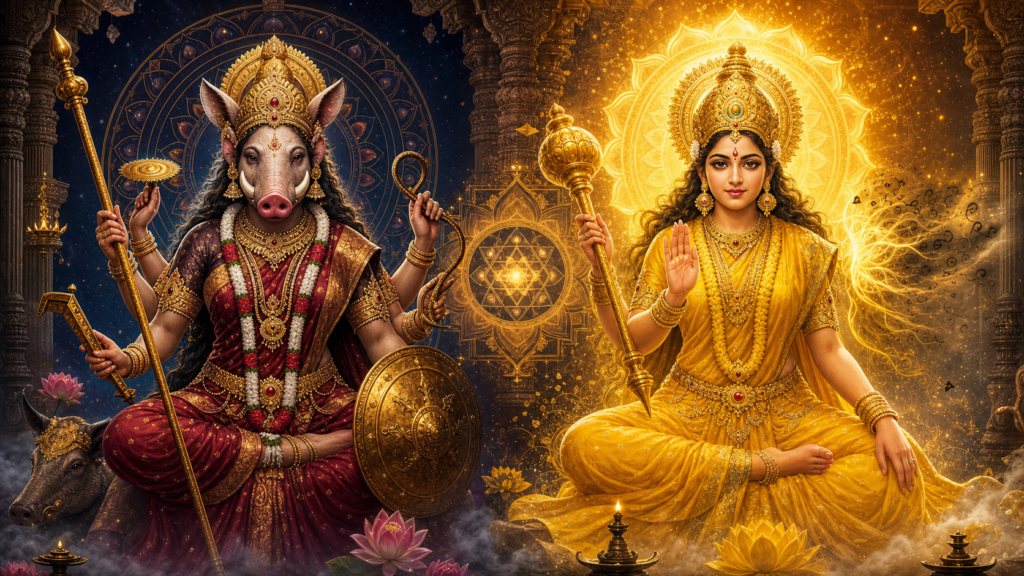
Mangala Gauri Vrat is another important observance of Shravan, especially on Tuesdays. It is dedicated to Goddess Mangala Gauri, a form of Goddess Parvati, and is traditionally observed for marital harmony, family well-being, prosperity and auspiciousness. In the Purnimant 2026 cycle, the Tuesdays fall on August 4, August 11, August 18 and August 25. In Amavasyant regions, the relevant Tuesdays are generally counted within the later Shravan span, with local panchang confirmation recommended.
The month also includes important festival associations such as Nag Panchami, Hariyali Teej, Raksha Bandhan, Narali Purnima, Upakarma, Jhulan Yatra and regional Shiva or Vaishnava observances. The precise dates can vary by regional calendar, sunrise convention and local temple tradition. This variety should not be seen as fragmentation. It reflects the layered nature of Hindu timekeeping, where lunar astronomy, geography, language, lineage and community memory all participate in sacred practice.
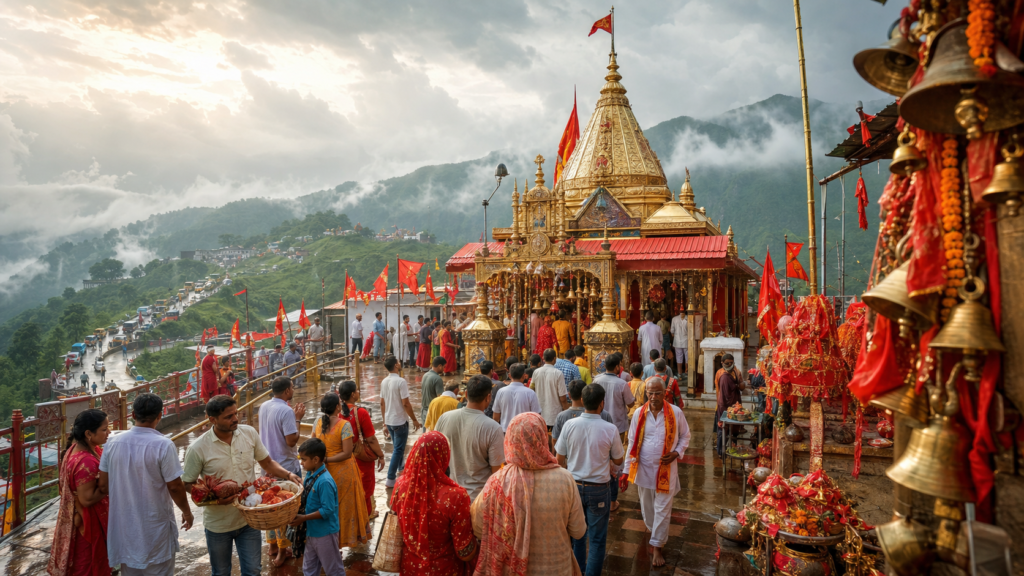
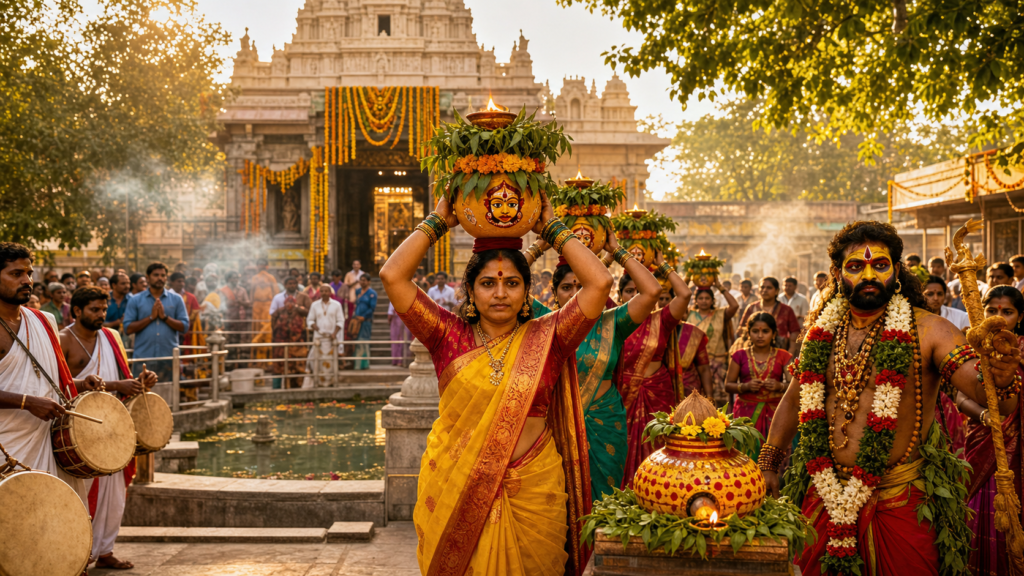
Kanwar Yatra is one of the most visible public expressions of Shravan devotion. Devotees known as Kanwariyas travel to collect sacred Ganga water from places such as Haridwar, Gaumukh, Gangotri or other tirthas, and carry it to Shiva temples for Jalabhishek. The pilgrimage is physically demanding and symbolically rich: water is carried with care, movement becomes prayer, and discipline becomes an offering. At its best, the yatra combines devotion, endurance, community support and reverence for sacred rivers.
The ritual logic of offering water to Shiva is both theological and experiential. Shiva is associated with tapas, stillness, cosmic dissolution and transformative power. Water cools, purifies and sustains life. During the monsoon month, the offering of water becomes a disciplined act of gratitude toward nature and a symbolic surrender of inner heat, ego and restlessness. The devotee does not merely ask for blessings; the devotee practices humility through repetition, restraint and bodily participation.
Fasting during Shravan is not only a matter of food restriction. In the classical Dharmic understanding, vrata is a vow that reorganizes daily life around a sacred intention. Some devotees avoid grains, onion, garlic, alcohol and non-vegetarian food. Others take fruits, milk, simple sattvic meals or one meal a day. The deeper discipline is mental: reducing distraction, speaking truthfully, practicing compassion, maintaining cleanliness, and remembering that the body and mind are instruments for dharma.
Shravan also belongs to the wider spiritual climate of Chaturmas, the rainy-season period associated with restraint, study, vows and reduced travel in several Dharmic traditions. Hindu, Jain and Buddhist communities have historically treated the monsoon as a time for deeper reflection, ethical care and disciplined living. Sikh traditions, while not organized around Shravan in the same ritual form, similarly emphasize remembrance, seva, humility and community welfare. This shared civilizational mood supports unity among Dharmic traditions without erasing their differences.
From a cultural perspective, Shravan demonstrates how Indian time is lived through both astronomy and memory. A tithi is not simply a date; it is a lunar condition used for ritual timing. A paksha is not merely half a month; it structures the movement from fullness to darkness and from darkness to fullness. A vrata is not only private devotion; it is a social rhythm that shapes kitchens, temples, pilgrim routes, family gatherings and seasonal ethics.
For practical planning in 2026, the safest approach is to identify the calendar tradition followed by the household, temple or family priest. Those following North Indian Purnimant calendars should mark July 30, 2026, as the first day of Shravan Maas. Those following Amavasyant calendars should mark August 13, 2026, as the beginning of Shravan. Those living outside India should use a panchang calculated for their location, because tithi boundaries can shift by time zone and sunrise.
The first day of Shravan in 2026 is therefore not a single universal civil date for every Hindu community. It is July 30 in Purnimant calendars and August 13 in Amavasyant calendars. This difference, when understood properly, enriches rather than confuses the observance. It reveals the sophistication of the Hindu calendar and the respectful plurality of regional traditions. The shared purpose remains devotion to Lord Shiva, reverence for Goddess Parvati, purification of conduct, and renewal of dharmic life during the sacred monsoon month.
Inspired by this post on Hindu Pad.



Leave a Reply
You must be logged in to post a comment.