

True devotion to God in Hinduism is not an embarrassment to be concealed, nor a private weakness to be defended against public opinion. It is a disciplined, luminous, and civilizationally rooted way of living. In a time shaped by media scrutiny, social pressure, ideological fashion, and the fear of being misunderstood, many Hindus can feel hesitant to express faith openly. That hesitation is understandable, but Hindu thought does not treat devotion, or bhakti, as a source of shame. It treats bhakti as a path of knowledge, love, surrender, self-refinement, and social responsibility.
The word bhakti is often translated simply as devotion, but its meaning is richer than emotion alone. It includes reverence, participation, loving remembrance, disciplined worship, ethical conduct, and a deep orientation of the heart toward the Divine. In Hindu Dharma, devotion is not opposed to reason, philosophy, or social maturity. It stands alongside jnana, the path of knowledge, karma yoga, the path of selfless action, and dhyana, the path of contemplative discipline. The Bhagavad Gita presents bhakti as one of the great means by which human life can be elevated from restless self-concern toward clarity, steadiness, and liberation.
The modern reluctance to display faith often emerges from a desire to avoid caricature. A young Hindu professional may hesitate to wear a tilak, speak of temple worship, chant a mantra, observe a vrata, or discuss the Bhagavad Gita in public because modern spaces often reward irony more than reverence. Social media can intensify this discomfort. It can turn sacred symbols into material for mockery, reduce living traditions to stereotypes, and pressure individuals to appear detached from inherited identity. Yet a tradition that has preserved Vedic wisdom, temple culture, yoga, mantra, puja, seva, and philosophical inquiry for millennia cannot be reduced to a private habit hidden from view.
Academic study of Hinduism shows that devotion has never been merely sentimental. The Bhakti Tradition transformed Indian religious life by opening spiritual expression across regions, languages, communities, and social locations. Tamil Alwars and Nayanmars, Maharashtrian Varkari saints, North Indian poets, Bengali Vaishnava teachers, Kannada vachana composers, and many other devotional movements made sacred experience accessible through song, poetry, pilgrimage, temple practice, and community worship. Their legacy demonstrates that bhakti is both personal and public. It is felt inwardly, but it also creates literature, music, ethics, institutions, festivals, and shared cultural memory.
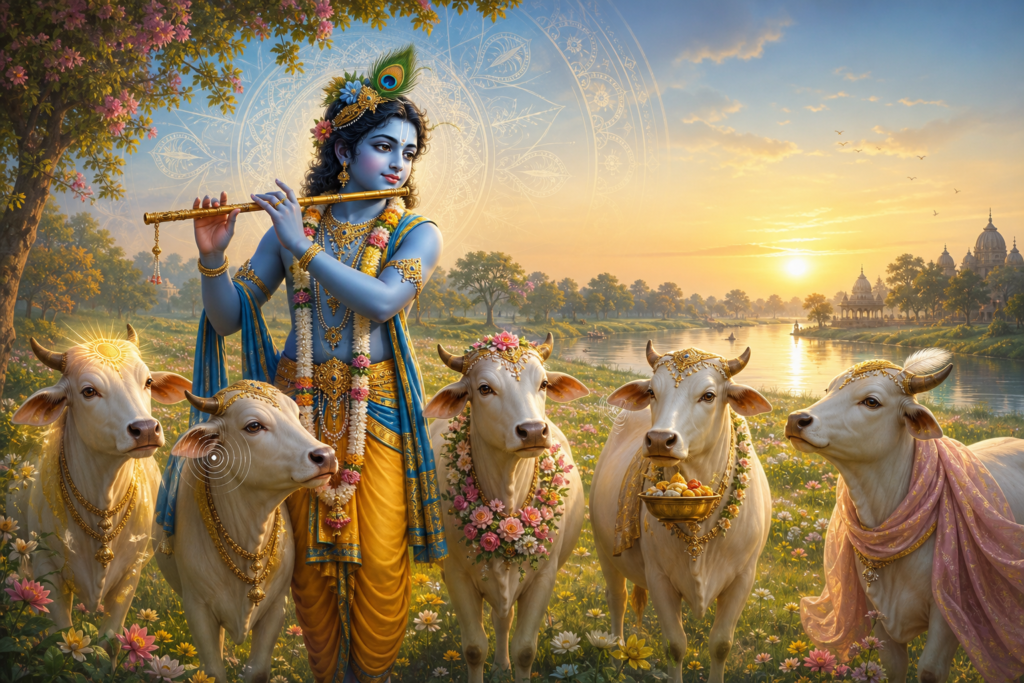
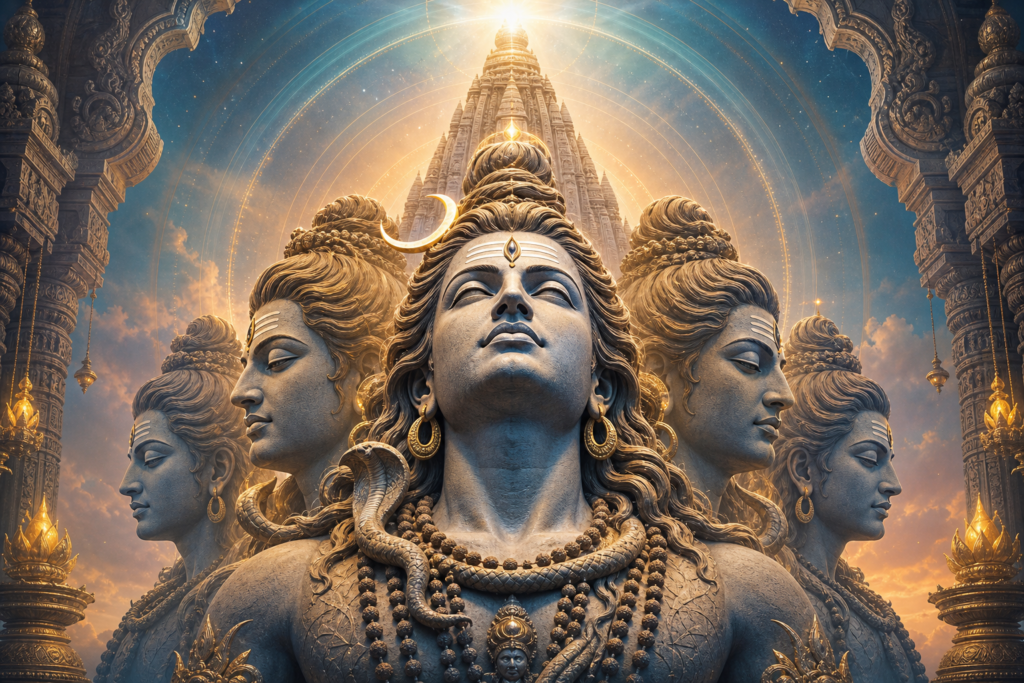
To be devoted is not to abandon intellectual seriousness. Hindu philosophy contains sophisticated debates on Brahman, Atman, Ishvara, prakriti, karma, moksha, epistemology, metaphysics, and the nature of consciousness. Advaita, Vishishtadvaita, Dvaita, Shaiva Siddhanta, Shakta traditions, Yoga, Mimamsa, Nyaya, and other streams have treated ultimate reality with great rigor. Devotion exists within this wider philosophical landscape. A devotee may worship Lord Shiva, Lord Vishnu, Devi, Sri Rama, Sri Krishna, Ganesha, Hanuman, Surya, or an ishta-devata while also engaging in reasoned reflection on the nature of reality. In Hinduism, love and knowledge need not be enemies.
There is also an important distinction between confident devotion and aggressive religiosity. True bhakti does not require contempt for others. It does not depend on hostility, coercion, or public display for its own sake. Hindu Dharma has long recognized multiple temperaments, paths, forms of worship, and levels of understanding. This plurality is expressed through the acceptance of many deities, many sampradayas, many modes of sadhana, and many philosophical standpoints. The dignity of devotion lies not in defeating another person, but in remaining rooted without hatred and visible without arrogance.
This principle is especially important for unity among Dharmic traditions. Hinduism, Buddhism, Jainism, and Sikhism differ in doctrine, theology, metaphysics, ritual practice, and historical formation, yet they share a deep concern for discipline, self-transformation, compassion, truthfulness, restraint, and liberation from lower impulses. Hindu bhakti, Buddhist refuge and compassion, Jain reverence for the Tirthankaras and ahimsa, and Sikh devotion through Naam, seva, and remembrance all show that public spiritual commitment can be dignified, ethical, and constructive. A Dharmic society does not need uniformity to possess unity. It needs mutual respect, cultural confidence, and a shared commitment to dharma.
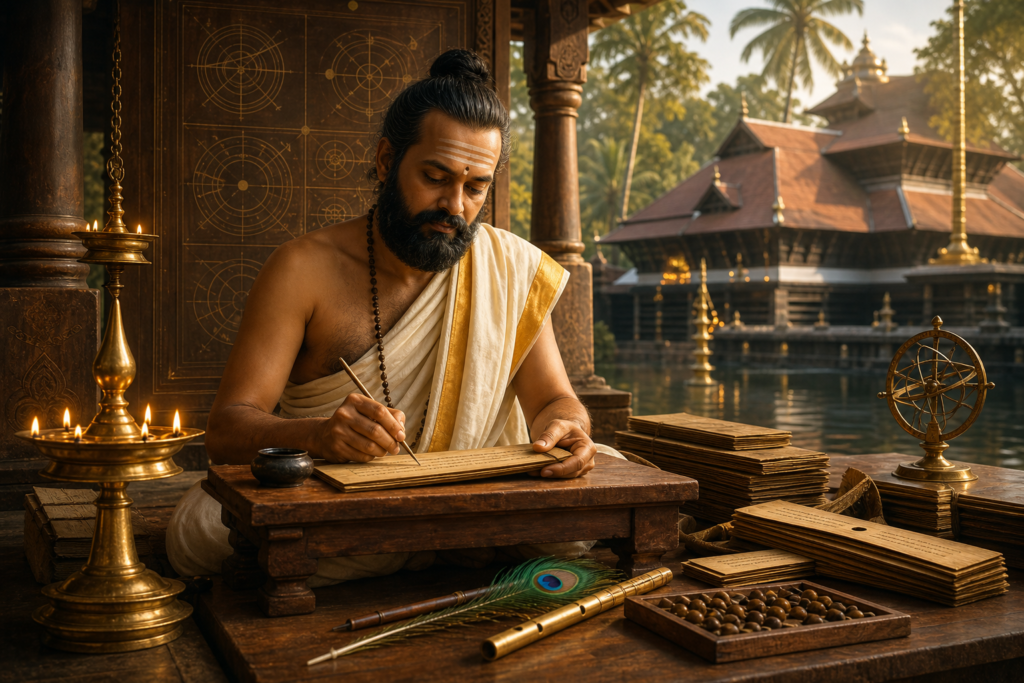
The feeling of shame around religious practice often arises when faith is treated as socially backward or intellectually inferior. This framing is historically shallow. Hindu civilization produced not only temples and rituals, but also grammar, logic, astronomy, mathematics, medicine, aesthetics, statecraft, literature, dance, music, and subtle systems of spiritual psychology. Practices such as mantra japa, pranayama, meditation, pilgrimage, fasting, and puja are not random gestures. They form part of an integrated worldview in which body, speech, mind, society, nature, and the sacred are connected. Devotion, in this framework, is a method of ordering life around higher values.
Bhakti also offers a psychological discipline that is often overlooked. Human beings naturally attach themselves to approval, status, possessions, relationships, fears, and anxieties. Devotion redirects attachment toward the Divine and gradually refines the emotional life. Through prayer, chanting, worship, and remembrance, the individual learns humility without self-erasure, surrender without helplessness, and strength without hardness. The temple bell, the lamp before the murti, the recitation of a stotra, the offering of flowers, and the quiet repetition of a mantra are not empty acts. They train attention, gratitude, reverence, and moral orientation.
In everyday life, this has practical consequences. A person who begins the day with prayer may carry a different quality of attention into work, family, and public conduct. A family that celebrates festivals together may transmit memory, language, ethics, and belonging to children. A community that gathers for bhajans, kirtan, satsang, seva, and temple festivals creates social trust. These practices are not merely cultural decorations. They are mechanisms of continuity. They help individuals remember who they are, what they value, and how they are connected to generations before them.
Modern Hindu identity often faces two opposite pressures. One pressure demands that faith be made invisible in order to appear sophisticated. The other pressure turns faith into a political slogan without inner discipline. Both are incomplete. Hindu devotion is most authentic when it is neither hidden out of fear nor performed as spectacle. It is best expressed through steadiness, learning, worship, service, and moral responsibility. A devotee who studies scripture, respects elders, serves the needy, protects sacred spaces, honors other Dharmic paths, and lives with integrity gives a stronger testimony to Hindu spirituality than any loud declaration without inner transformation.
The idea that devotion must remain private is also inconsistent with the public character of Hindu civilization. Temples, yatras, utsavas, kirtans, dances, sacred art, classical music, philosophical assemblies, and festival processions have always shaped collective life. Public devotion does not automatically mean exclusion. In its healthiest form, it creates beauty, generosity, shared memory, and ethical culture. When lamps are lit during Deepavali, when devotees gather for Ram Navami, Janmashtami, Maha Shivaratri, Navaratri, Guru Purnima, or Gita Jayanti, they are not merely performing identity. They are renewing a civilizational grammar of gratitude, discipline, and sacred remembrance.
At the same time, the public expression of bhakti must remain aligned with dharma. It should be marked by humility, cleanliness, sincerity, respect for public order, and sensitivity toward others. Hindu teachings do not support devotion that becomes egoistic display. The Bhagavad Gita repeatedly warns against pride, anger, delusion, and attachment to external recognition. Therefore, true devotion is courageous but not boastful. It is visible but not vulgar. It is emotionally rich but intellectually grounded. It is faithful without being insecure.
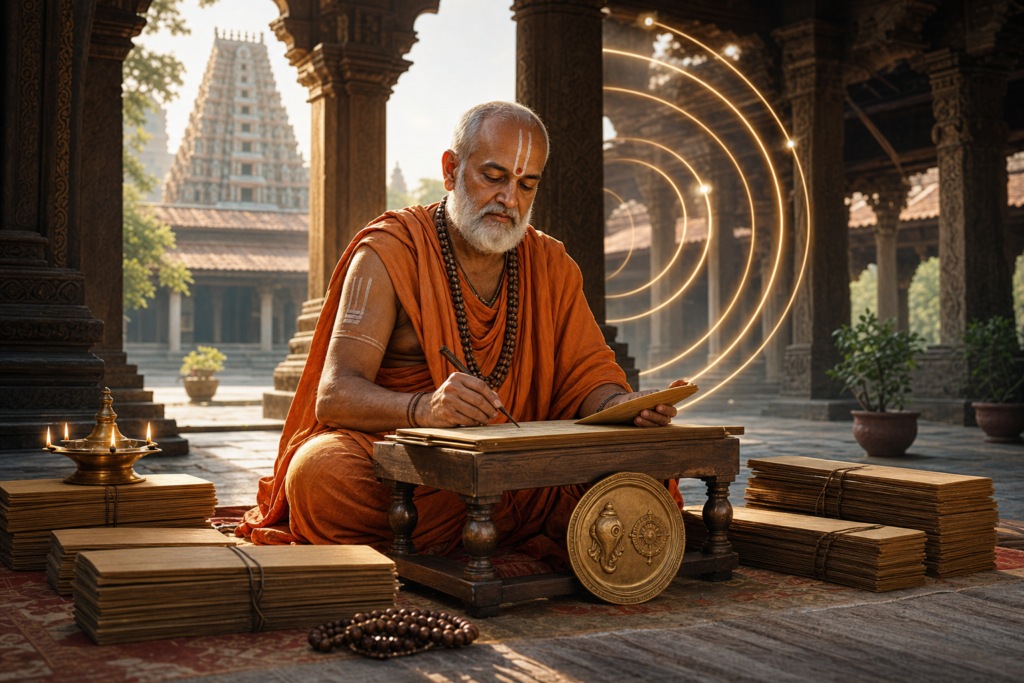
The role of parents, teachers, gurus, and community institutions is crucial in removing shame from Hindu religious life. Children who see elders treating puja as mechanical or apologizing for tradition may learn embarrassment. Children who see thoughtful explanation, disciplined practice, and joyful participation learn reverence. A child who understands why a lamp is lit, why prasadam is offered, why namaste carries meaning, why the Gita is studied, why elders are respected, and why seva matters is more likely to carry Hindu Dharma with confidence. Education, not compulsion, is the proper foundation of cultural continuity.
For the Hindu diaspora, this question becomes even more significant. In schools, workplaces, universities, and civic spaces, Hindu symbols and practices may be unfamiliar or misunderstood. The solution is not withdrawal. It is clear articulation. Wearing a bindi, keeping a small home altar, observing vegetarian discipline, explaining a festival, requesting respectful treatment of sacred symbols, or participating in interfaith dialogue can all become opportunities for dignified representation. Hinduism’s spiritual diversity, religious pluralism, and philosophical depth deserve to be explained with confidence and accuracy.
True devotion also rejects the false choice between tradition and modernity. A person may work in technology, science, law, medicine, business, education, media, or public service while remaining deeply rooted in Sanatana Dharma. Modern life changes tools, institutions, and social rhythms, but it does not remove the human need for meaning, discipline, transcendence, and ethical orientation. Bhakti gives modern individuals a way to live with inner anchoring amid speed, distraction, and uncertainty. It reminds them that success without sacred direction can become restless, and freedom without self-mastery can become confusion.
Devotion becomes especially powerful when joined with seva. In Hindu thought, worship is not limited to ritual offerings. Service to society, care for the vulnerable, protection of knowledge, preservation of temples, support for education, environmental responsibility, and compassion toward all beings are also expressions of dharma. When bhakti matures, it expands beyond personal consolation. It becomes a force for social harmony. It encourages the devotee to see the Divine presence not only in the shrine, but also in human dignity, nature, community, and moral duty.
There is no need for Hindus to be ashamed of devotion to God. Shame weakens cultural memory and isolates individuals from their own sources of strength. Yet confidence must be cultivated with knowledge. A person who knows the meaning of bhakti, the depth of Hindu philosophy, the beauty of Dharmic pluralism, and the ethical demands of spiritual life can express faith without insecurity. Such devotion is not narrow. It is expansive. It honors the chosen form of the Divine while recognizing that spiritual seekers may approach truth through different names, forms, disciplines, and insights.
True bhakti is therefore a celebration, not a secret. It is the courage to bow without embarrassment, to chant without fear, to study without apology, to serve without vanity, and to belong without hostility. It asks for an inner life that is sincere and an outer life that is responsible. In a world often marked by rootlessness and cynicism, Hindu devotion offers steadiness, beauty, humility, and strength. When practiced with knowledge and compassion, it becomes one of the most refined expressions of Hindu Dharma and one of the strongest foundations for Dharmic unity.
Inspired by this post on Hindu Blog.




Leave a Reply
You must be logged in to post a comment.