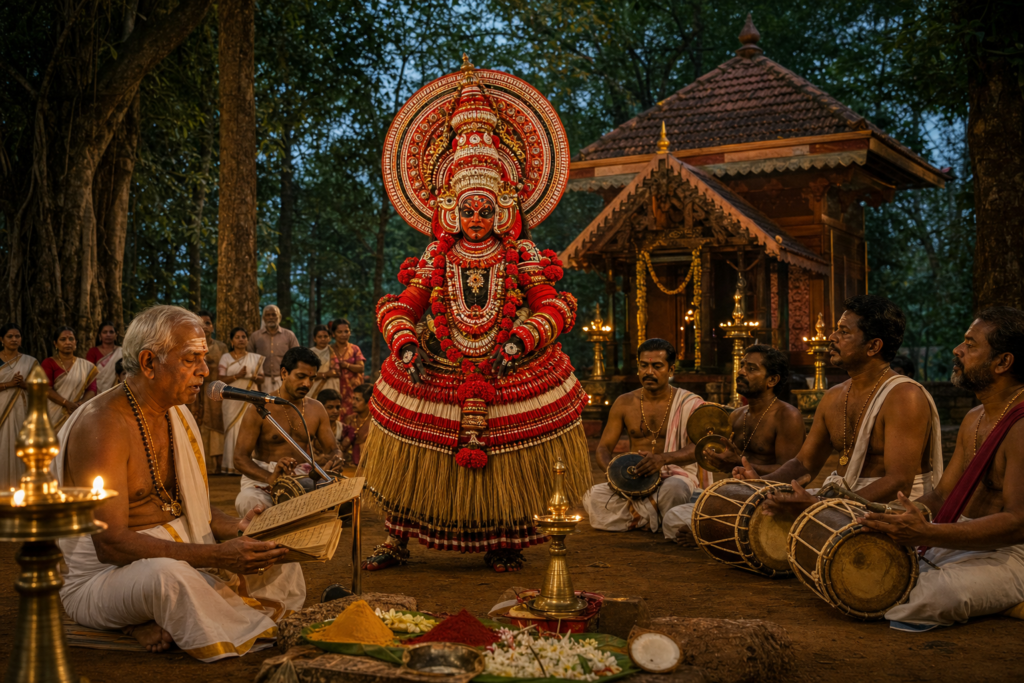
The Shri Rajmatangi Mahayagya in Mumbai convened a wide cross-section of devotees and ritual specialists for a large-scale Vedic–Agamic ceremony dedicated to the spiritual protection (rāṣṭra-rakṣā) and prosperity (samṛddhi) of Bharat. Framed as a communal sankalpa for national well-being, the rite centered on invoking Shri Rajmatangirevered as the royal, harmonizing current of Devi’s shaktithrough mantra, homa (havan), and collective prayer.
Within the Shakta tradition, Shri Rajmatangi (often honored as Raja Shyamala) is a sovereign form of the Mahavidya Goddess Matangi. Textual and oral lineages describe this aspect of Devi as presiding over the ethics of speech (vāk), wise governance, the arts, and social harmony. In ritual praxis, the Matangi current is approached to refine collective discernment, stabilize institutions of dharma, and attract auspiciousnessgoals that align naturally with a national sankalpa for protection and prosperity.
The Mahayagya, by design, integrates Vedic yajña principles with Shakta–Tantric upāsanā, yielding a liturgical architecture that is both canonical and context-aware. While specific paddhatis vary by sampradāya and gurupāramparā, such ceremonies typically ground themselves in Shruti–Smriti authority for fire offerings, while drawing on Agamic manuals for deity-specific nyāsa, yantra, and mantra sequences.
Ritual timing is ordinarily chosen with reference to the pañcāṅga (tithi, nakṣatra, yoga, karaṇa, and vāra), seeking a śubha muhurta that optimizes sattvic conditions for mantra efficacy. This calendrical precision reflects the broader Vedic view that cosmic rhythms and ethical intention must align for yajña to transmit protective and prosperity-bestowing effects.
Opening rites generally include ācamana and gaṇeśa-pūjā, followed by puṇyāhavācana (purificatory recitations), kalaśa-sthāpana (establishing consecrated water vessels), and a clearly articulated sankalpa. In ceremonies dedicated to national well-being, the sankalpa explicitly names the aim of Bharata kṣema, śānti, and samṛddhi, thereby situating the rite as a public-spirited act of dharma rather than a private vow.
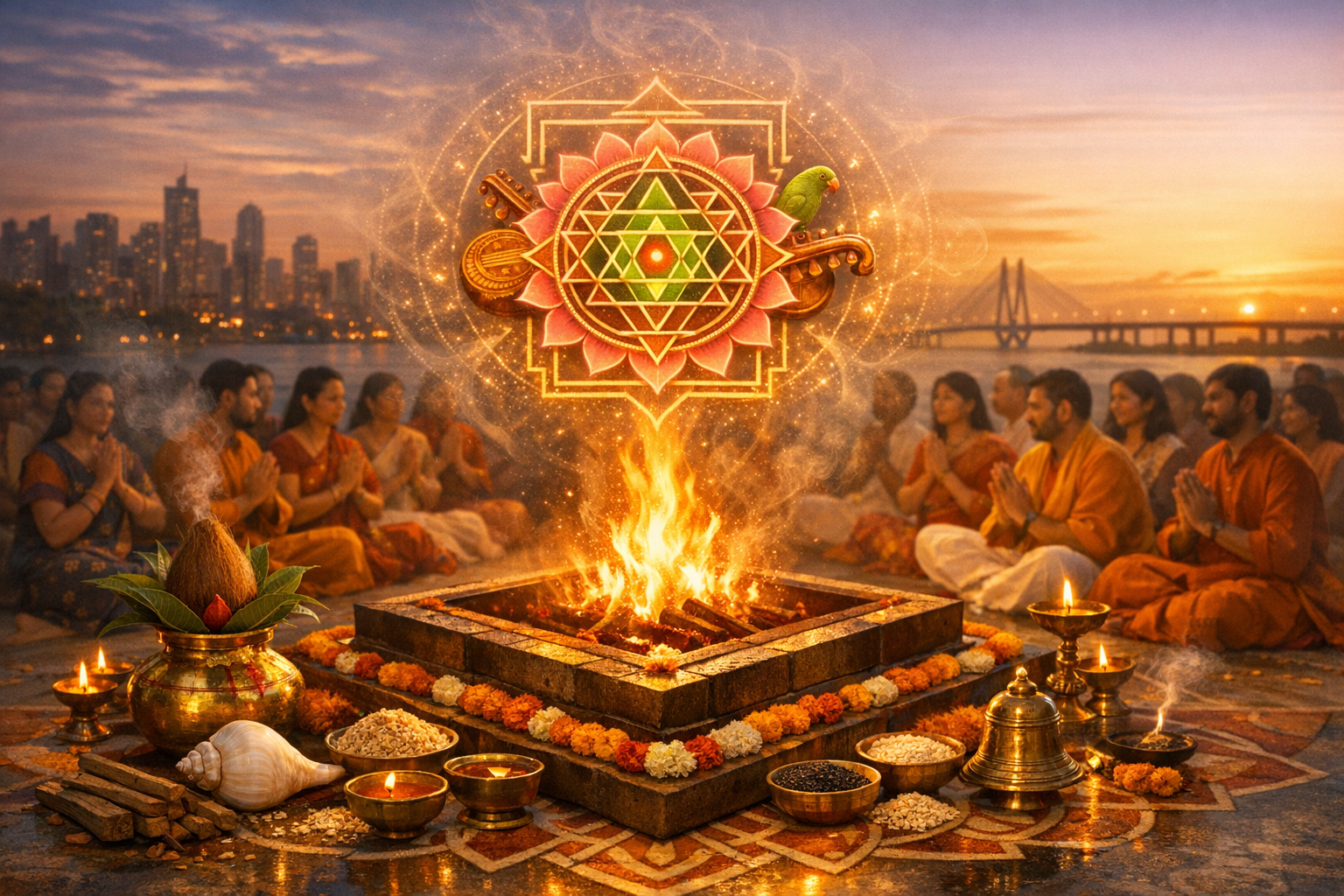
As the core worship unfolds, the Matangi yantra is respectfully installed and invoked, nyāsa sanctifies the body as a vessel of mantra, and avāhana invites Shri Rajmatangi to preside over the sacrificial space. The atmosphere builds through systematic mantra-japa and archana, placing the dignity of vāk (ethical speech) and the harmonizing power of Devi at the center of communal aspiration.
The homa (havan) follows established Havan Kund and Havan Ke Niyam discipline: a square or slightly rectangular kuṇḍa is prepared with sanctified samidh (traditionally mango or palāśa wood), clarified butter (ghṛta), akṣata (rice), tila (sesame), laja (puffed grain), and select herbs. Each oblation is synchronized with Matangi mantras and protective śānti mantras, linking the microcosm of the altar with the macrocosm of society and nature.
Mantrically, Matangi upāsanā often employs mūla-mantras and bīja clusters associated with vāk-śakti. Recensions vary across lineages, yet a common thematic thread invokes Raja Shyamala’s grace for wise counsel, benevolent influence, and social concord. Japa is customarily performed in multiples of 108, imbuing the rite with rhythmic coherence and devotional intensity.
To amplify the dual sankalpa of protection and prosperity, Vedic hymns such as Durga Sūkta (for kṣema and rakṣā), Śrī Sūkta (for śrī and abundance), and Devī Sūkta (for awakening the universal Shakti) are frequently interwoven with the Shakta corpus. The rite typically culminates in pūrṇāhuti, prokṣaṇa (ritual sprinkling), dīpārādhana, and the distribution of prasāda, sealing the collective intention with a shared blessing.
Beyond liturgical precision, the Mahayagya functioned as a living testament to unity within the wider Dharmic family. Devotees inspired by Hindu, Buddhist, Jain, and Sikh values resonated with the ceremony’s inclusive prayer: sarve bhavantu sukhinaḥ. The ethical motifs of ahiṃsā, satya, dayā, and sevācelebrated across these traditionswere affirmed as the civilizational substratum that strengthens Bharat’s social fabric.
Participants frequently remark that the confluence of śaṅkha (conch), ghaṇṭā (temple bell), and Vedic–Tantric chanting generates a palpable stillness amid metropolitan bustle. The visual grammar of the sacred fire, rhythmic offerings, and collective recitation often evokes formative memories of community worship, cultivating emotional continuity between generations while renewing confidence in shared purpose.
From a civic perspective, such community-centered yajñas revive forms of social capital often thinned by urban tempo and digital distraction. Coordinated service (seva) around ritual gatheringslogistics, cleanliness, hospitality, and dissemination of prasādabecomes a training ground for cooperation, trust, and ethical leadership, all of which are core to sustainable prosperity.
Environmentally, the discipline of using natural dravya (ghee, wood, grains, and herbs) and biodegradable altar materials reflects an older dharmic ecology. Traditional guidelines discourage synthetics in ritual spaces and emphasize respectful post-ritual handling of remnants, integrating sacred aesthetics with ecological mindfulness.
For scholars and practitioners alike, the Rajmatangi focus offers a distinctive lens on statecraft and speech ethics in the Shakta imagination. Raja Shyamala is not merely invoked for worldly attainment but for the refinement of counselembodying the insight that prosperity, to be enduring, must be animated by just order, responsible communication, and compassionate governance.
In the plural ethos of Mumbaia megacity where ancient lineages and modern ambitions intersectthe Shri Rajmatangi Mahayagya stood out as a precise, textually rooted, and deeply communal articulation of Vedic–Agamic wisdom. As an offering for the protection and prosperity of Bharat, it reaffirmed a civilizational truth shared across Dharmic traditions: when intention, mantra, and service converge, collective resilience and well-being measurably expand.
In sum, the ceremony’s significance lies as much in its careful ritual grammar as in its social effect: an inclusive, ethically grounded, and culturally confident practice that nurtures inner clarity, community cohesion, and a forward-looking vision of national prosperity under the guardianship of Devi’s shakti.
Inspired by this post on Hindu Jagruti Samiti.