Sri Padmavati Srinivasa Parinayotsavam, popularly known as Padmavathi Srinivasa Kalyanam, will be celebrated in Tirumala from 25 to 27 April 2026. Organized by Tirumala Tirupati Devasthanam (TTD), the three-day celestial wedding is conducted with great religious solemnity at the Parinayotsava Mandapam in the Narayangiri Gardens, drawing thousands of devotees who seek darshan and blessings during this auspicious Vaishnava festival.
While the festival title evokes the divine marriage of Sri Srinivasa (Venkateswara) and Goddess Padmavati (Alamelu Manga), the liturgical enactment at Tirumala centers on the celestial wedding of Sridevi Bhudevi sameta Sri Srinivasa. In ritual terms, the Utsava Murti of Sri Malayappa Swamy, together with Sridevi and Bhudevi, presides over the three-day proceedings, with the sanctified memory of Padmavati pervading the ceremonies and devotional singing.
Within the Vaishnava tradition, the kalyanam or divine wedding is not merely commemorative; it is a theologically rich re-presentation of cosmic harmony. Sridevi embodies auspicious abundance (Shri), Bhudevi personifies the Earth’s nurturing stability, and Sri Srinivasa manifests Vishnu’s sustaining grace. Their union symbolizes the alignment of prosperity, the material world, and divine order, offering devotees a powerful framework for inner renewal and social well-being.
The mythic backdrop of this celebration is preserved in texts such as the Venkatachala Mahatmyam of the Skanda Purana and allied Vaishnava narratives. Sri Srinivasa’s marriage to the princess Padmavati, daughter of Akasa Raja, is recounted as a union that resolves cosmic tensions and restores auspiciousness on Earth. Theologically, Sridevi and Bhudevi are inseparable consorts of Vishnu, and their wedding with Srinivasa at Tirumala renders the ritual both historically resonant and cosmically integrative.
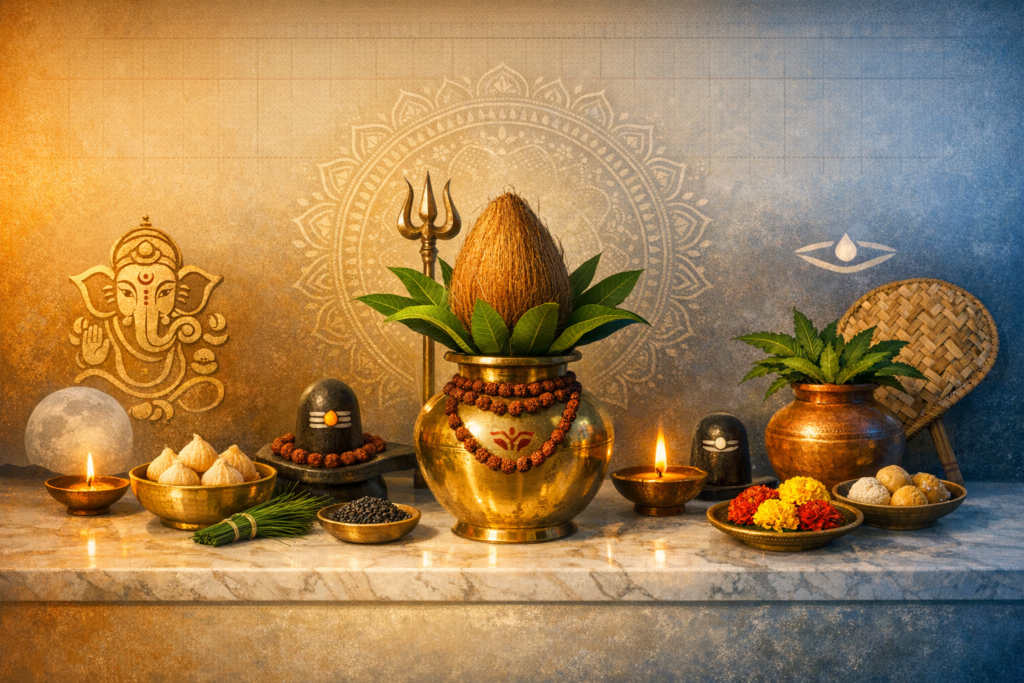
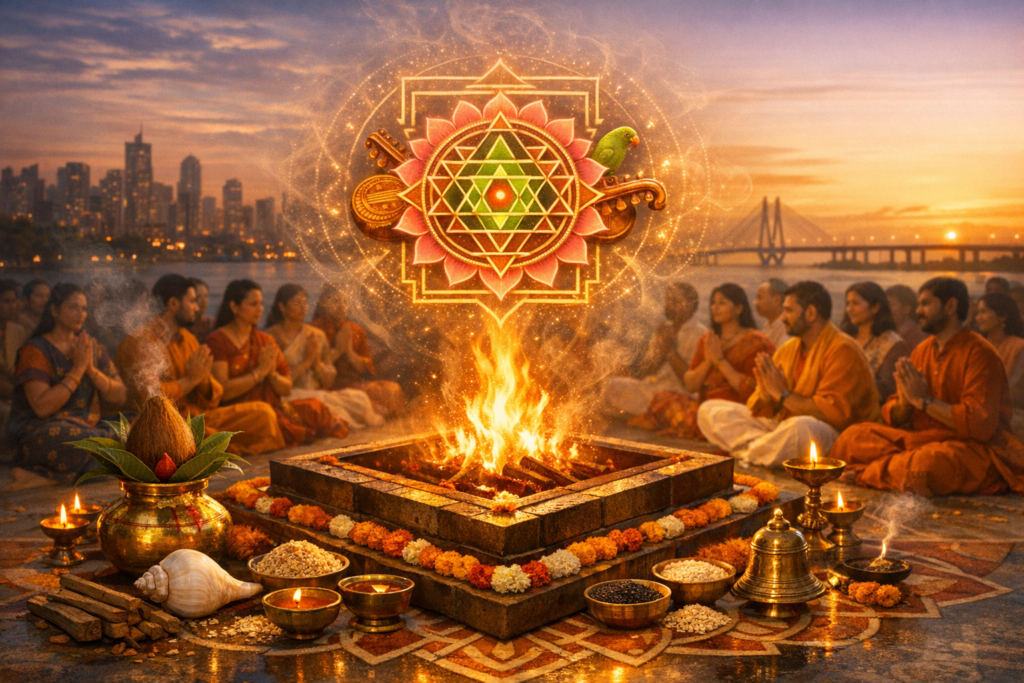
The ceremony follows Vaikhanasa Agama protocols, a hallmark of worship at the Tirumala Tirupati Temple. Core elements generally include punyahavachanam (ritual purification), Vishwaksena aradhana (invocation of the deity’s commander to remove obstacles), raksha bandhanam and kankana dharana (protective threads), snapanam or abhishekam (ritual bathing), edurkolu (formal welcoming), mala-parivartanam (exchange of garlands), kanyadana (symbolic giving in marriage), mangalya-dharana (tying of the sacred thread), saptapadi (seven sacred steps), homam with purnahuti (fire oblation and completion), and mangala harati. These steps embody a sacral journey from preparation to consummation, reinforcing dharmic vows and divine grace.
The Parinayotsava Mandapam at Narayangiri Gardens provides a dedicated, expansive setting for the wedding rites and public participation. The processional arrival of the Utsava Murtis, resplendent alankarams, fragrant floral décor, and the orchestration of Vedic chanting create an immersive devotional atmosphere. The open-air garden venue enables large congregations to witness essential moments of the kalyanam while maintaining ceremonial sanctity.
Each of the three days traditionally sustains the kalyana-krama or wedding sequence, with emphasis on garland exchange, auspicious blessings (srivachana), and concluding mangala harati. Devotees value the experience of kalyana akshata—blessed turmeric-rice—offered during or after the rites, which is cherished as prasadam symbolizing marital harmony, family welfare, and spiritual prosperity.
Sacred music deeply shapes the devotional mood. Veda parayanam by scholars, the sonorous strains of nadaswaram and thavil, and the singing of Annamacharya sankeertanas create an evocative soundscape aligned with Tirumala’s liturgical tradition. Many pilgrims describe the climactic moments of the wedding rite—especially the invocation of blessings and the harati—as profoundly moving, fostering a collective sense of serenity, gratitude, and ethical resolve.
Participation is typically facilitated through TTD-managed arrangements. A limited number of seva and darshan options may be released on the official TTD platforms, while broad areas in Narayangiri Gardens are designated for general viewing. Devotees are strongly advised to rely only on official TTD channels for ticketing and schedules, carry valid identification as required, and adhere to on-site instructions from temple authorities and volunteers.
Travel planning for April 2026 should factor in substantial pilgrim footfall. Tirupati is served by Renigunta (Tirupati) Airport and well-connected railway lines, with frequent state and private buses from major cities in Andhra Pradesh and neighboring states. Pilgrims may reach Tirumala by the ghat roads or opt for the revered pedestrian routes—Alipiri Mettu or Srivari Mettu—observing TTD advisories on timings, security checks, and personal safety.
Accommodation can be highly competitive around festival dates. TTD publishes allotments for cottages and choultries through official booking systems, and a wide range of private lodging is available in Tirupati and the surrounding region. Early reservations, confirmation of check-in norms, and awareness of check-post procedures on the ghat roads are essential for a smooth visit.
Decorum and dress code are integral to darshan culture at Tirumala. Traditional attire is encouraged, and modest, temple-appropriate clothing is expected for participation near ritual spaces. Restrictions on carrying mobile phones, cameras, and luggage apply in specified zones; compliance with TTD security and signages ensures both sanctity and safety during the ceremonies at the Parinayotsava Mandapam.
Crowd management and pilgrim amenities are centrally coordinated by TTD. Devotees are encouraged to stay hydrated, use designated queue systems, and look out for children and elders in the gathering areas. Accessibility assistance points, medical aid, and information counters are typically deployed across the venue in coordination with security and volunteer teams.
Environmental stewardship has become a notable part of pilgrim culture at Tirumala. Devotees can contribute by minimizing single-use plastics, using designated disposal bins, and respecting garden landscapes at Narayangiri. Observing silence during key mantras, maintaining clean seating areas, and following volunteer guidance together preserve the festival’s spiritual and ecological integrity.
This kalyanam also resonates with shared dharmic values that inspire communities across Hinduism, Buddhism, Jainism, and Sikhism—values such as compassion, self-restraint, service, and the pursuit of inner harmony. The festival’s emphasis on sacred union, ethical living, and communal well-being reflects a civilizational ethos that honors multiple paths to the divine while celebrating unity in diversity.
Key details for 2026 remain straightforward: Sri Padmavati Srinivasa Parinayotsavam is scheduled for 25–27 April 2026 at the Parinayotsava Mandapam, Narayangiri Gardens, Tirumala. The event culminates in the public darshan of Sridevi Bhudevi sameta Sri Srinivasa, with Vedic ceremonies following the Vaikhanasa Agama tradition. Devotees benefit from consulting the TTD’s official updates for final timings, seva quotas, and on-ground instructions.
Across three sacred evenings, Padmavathi Kalyanam 2026 invites devotees into a carefully preserved ritual world that is at once historical, scriptural, and deeply experiential. As the Vedic chants ascend and the mangala harati glows, the Tirumala Tirupati Temple offers a time-tested path to renewal—aligning the heart with dharma, harmonizing households with blessings, and strengthening community bonds through a living tradition that continues to inspire.
Inspired by this post on Hindu Pad.