“Prayer is the voice of the soul” expresses a foundational insight of Hindu philosophy: inner speech oriented to the sacred allows the deepest self to address, align with, and ultimately realize the divine. Within the broader dharmic familyHinduism, Buddhism, Jainism, and Sikhismthis insight names an experiential process in which attention, breath, sound, and intention translate private yearning into a transformative dialogue with ultimate reality.
In Hindu thought, the atman (inner self) is not a mere psychological construct but the deepest, witnessing presence. Prayerwhether voiced, whispered, or silentserves as a bridge between the finite personality and the infinite ground, often articulated as Brahman or Ishvara. The Bhagavad Gita frames this dialogue as devotion and discernment together, where loving offering and lucid understanding converge to refine character and reveal truth.
This voice of the soul is not confined to a single method. Dharmic traditions cultivate multiple, complementary disciplinesbhakti (devotion), jnana (insight), karma (selfless action), and raja (meditative mastery)so that diverse dispositions can converge on the same summit. This plurality affirms unity in spiritual diversity while maintaining rigorous standards of practice and ethics.
A technical lens from the Indian theory of vāk (speech) clarifies how prayer moves from gross to subtle. Four strata are described: vaikhari (articulated speech), madhyama (mental formulation), pashyanti (pre-conceptual vision), and para (primordial, unmanifest sound). Effective prayer begins as meaningful language and matures toward interior silence, where intention stabilizes and insight dawns. Thus, the voice of the soul refines from sound into stillness.
Pancha-kosha viveka (discernment of the five sheaths) offers a second analytic frame. The person is understood as layered: annamaya (physical), pranamaya (vital), manomaya (mental-emotional), vijnanamaya (buddhi or discerning intellect), and anandamaya (causal or bliss-associated). Prayer functions as a harmonizing current across these sheathssteadying breath and mood, clarifying thought, strengthening discernment, and opening the heart to a stable peace beyond fluctuation.
Classical metaphysics also distinguishes sthula (gross), sukshma (subtle), and karana (causal) bodies. The soul’s voice penetrates these strata by aligning intention (sankalpa), energy (prana), and attention (dhyana). Over time, this alignment is experienced as inner coherencea felt unity of thought, word, and deed that expresses dharma in life.
Hindu sources illuminate prayer’s logic with compact aphorisms and paradigmatic verses. The Gita (9.26) affirms that devotion dignifies even the simplest offering”patram pushpam phalam toyam”when presented with bhakti. The Yoga Sutra adds precision: “tasya vachakah pranavah” and “tajjapas tadartha-bhavanam” indicate that the primal sound Om names the divine and that its japa, suffused with understanding, catalyzes realization.
Mantra japa (repetitive sacred utterance) is a primary modality of the soul’s voice. Through a mantra’s semantic meaning and phonetic power, attention repeats, remembers, and reorients. Over time, the mantra’s cadence reshapes the mind’s default narratives, establishing sattva (clarity) and quieting rajas (agitation) and tamas (inertia). The practitioner is guided from circumstantial thought to stable presence.
Technical traditions differentiate modes of japa: vachika (loud japa), upamshu (whispered), and manasika (silent japa). Loud recitation supports focus in early stages; whispered repetition refines attention; purely mental japa deepens absorption. Consistencynairantarya abhyasematters as much as intensity; the soul’s voice grows reliable through steady, rhythmic practice.
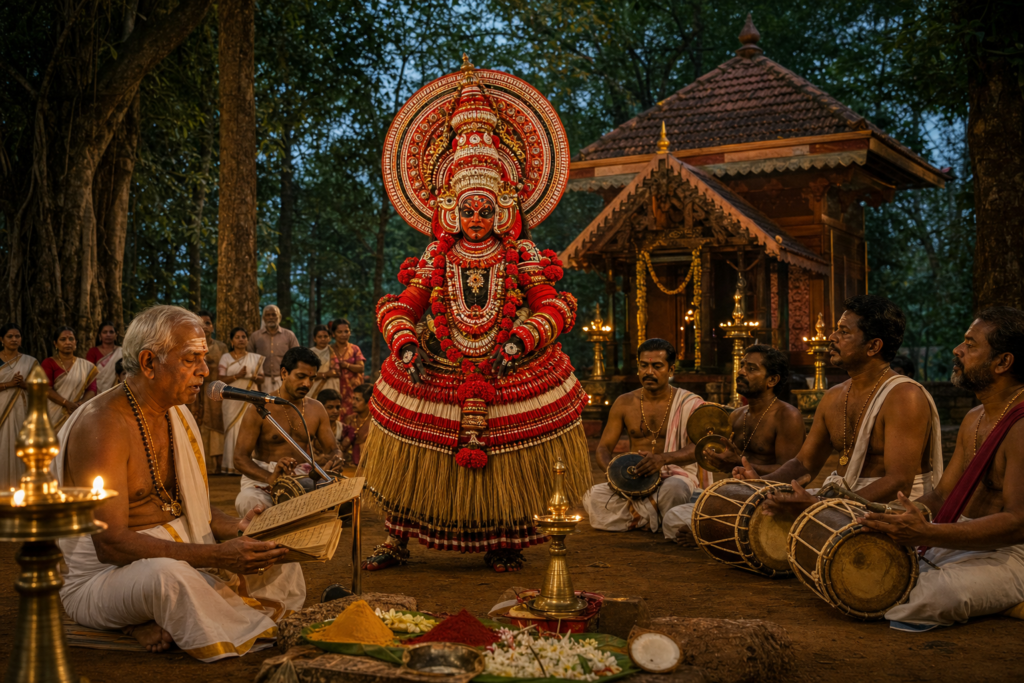
Bhakti practicesstotra (hymns), kirtan (devotional singing), arati (ritual offering), and personal prayertranslate love and gratitude into shared sound. Crucially, bhava (devotional feeling) animates these acts; without it, forms can become mechanical. With bhava, even ordinary moments become sanctifiedcooking, working, or walking may turn into living prayer.
Dhyana (meditation) and pranayama (breath regulation) supply the physiological and attentional scaffolding for prayer. As breath lengthens and softens, prana stabilizes; attention naturally collects. Classical yoga maps subtle channels such as sushumna nadi and correlates states of compassion and peace with the anahata (heart center). While these are contemplative models rather than medical claims, they articulate a reproducible phenomenology many practitioners report.
Raja Yoga integrates ethics (yama, niyama), posture (asana), energy (pranayama), sense-withdrawal (pratyahara), focus (dharana), meditation (dhyana), and absorption (samadhi). In this architecture, prayer is not isolated sentiment but the flowering of integrated living. Ishvara pranidhana (devotional surrender) is both method and maturity: the voice of the soul becomes a sustained offering of intention and action.
Parallels across dharmic traditions reinforce the shared science of inner dialogue. All affirm disciplined attention, ethical foundations, and compassionate intent. The specific languages and theologies vary, but the experiential arc is recognizably consonant: clarify, soften, center, and serve.
In Buddhism, chanting and contemplative prayer-like practices (such as metta-bhavana and the recitation of refuges) cultivate non-harm, clarity, and boundless goodwill. Whether through Pali chants or the Tibetan mantra Om Mani Padme Hum, the heart learns to speak without grasping, and the mind settles into insight and compassion together.
In Jainism, the Namokar Mantra, samayik (equanimity practice), and pratikraman (reflective repentance) exemplify the soul’s voice oriented to non-violence, truthfulness, and self-restraint. Anekantavada (many-sidedness) adds a philosophical commitment to humility and pluralism, aligning with unity in spiritual diversity and deepening the ethical quality of prayer.
In Sikhism, the Mool Mantar and Naam Japo (Naam Simran) turn the soul toward Ik Onkar and the living remembrance of the Divine Name. Kirtan translates devotion into communal resonance, where individual aspiration becomes shared uplift. Here, too, prayer matures as truthful livingseva (service) and courage anchored in remembrance.
Intention governs efficacy. Prayer framed as pure transaction often yields frustration; prayer grounded in surrender, discernment, and ethical living tends to stabilize into peace and clarity. The voice of the soul becomes trustworthy when it speaks from integritywhen yama and niyama infuse speech, and when action follows insight.
Contemporary research on contemplative practice complements classical accounts. While terminology differs, evidence suggests that steady prayer and meditation support autonomic balance, often reflected in improved vagal tone and calm affect. Many report increased emotional regulation, perspective-taking, and compassionthe lived outcomes long described in dharmic literatures.
At the social level, prayer fosters belonging without erasing difference. When the voice of the soul speaks across traditions, it often articulates a shared ethic: care for life, truth-telling, and restraint from harm. The Sanskrit maxim Vasudhaiva Kutumbakam”the world is one family”thus becomes more than rhetoric; it becomes an enacted pluralism sustained by inner discipline.
A practical framework can help establish consistency. First, prepare a clean, quiet space and articulate a simple sankalpa (clear intention). Second, take a steady seat, align the spine, and settle the breath with a few rounds of gentle pranayama. Third, engage in japa or a short stotra, allowing sound to lead attention inward. Fourth, rest in silent dhyana, letting the mantra recede into felt presence. Finally, conclude with goodwill for all beings and carry that orientation into action.
Beginning with brief sessionsten to fifteen minutes twice dailyoften proves sustainable. Over time, practice can deepen by combining modes: a few minutes of pranayama, followed by mantra japa, then silent sitting. This multi-modal approach respects individual temperament while preserving technical rigor.
Difficulties are natural. Restlessness suggests excess rajas; heaviness suggests tamas. Gentle adjustment of breath, posture, and schedule, along with periodic self-inquiry and study, restores sattva. The counsel is consistent across texts and traditions: be steady, be kind, and let sincerity lead.
Prayer also accompanies life’s samskarasbeginnings, transitions, losses, and celebrations. It refines gratitude in prosperity and protects dignity in adversity. By establishing a rhythm of remembrance, the voice of the soul becomes a compass that orients decision-making without coercion.
Hindu pluralism clarifies why many authentic forms of prayer are honored. The principle of Ishta in Hinduism affirms that different aspirants may be drawn to different forms and names, without denying unity. Swami Vivekananda’s teachings on Ishta emphasize disciplined freedom: choose a path, practice deeply, and respect the equally sacred choices of others.
In sum, “Prayer is the voice of the soul” names a disciplined interior conversation rooted in ethics, concentrated attention, and loving surrender. It is personal and communal, traditional and adaptable, poetic and precise. Across Hinduism, Buddhism, Jainism, and Sikhism, this voice matures into service and wisdom, advancing unity in spiritual diversity while remaining faithful to exacting practice.
When the soul’s voice is cultivated in this way, prayer ceases to be merely something said and becomes someone lived. Clarity, compassion, courage, and quiet joy emerge as stable traits. In that maturation, the ancient teaching proves exact: the soul learns to speakand in speaking truthfully, it remembers what it is.
Inspired by this post on Hindu Blog.