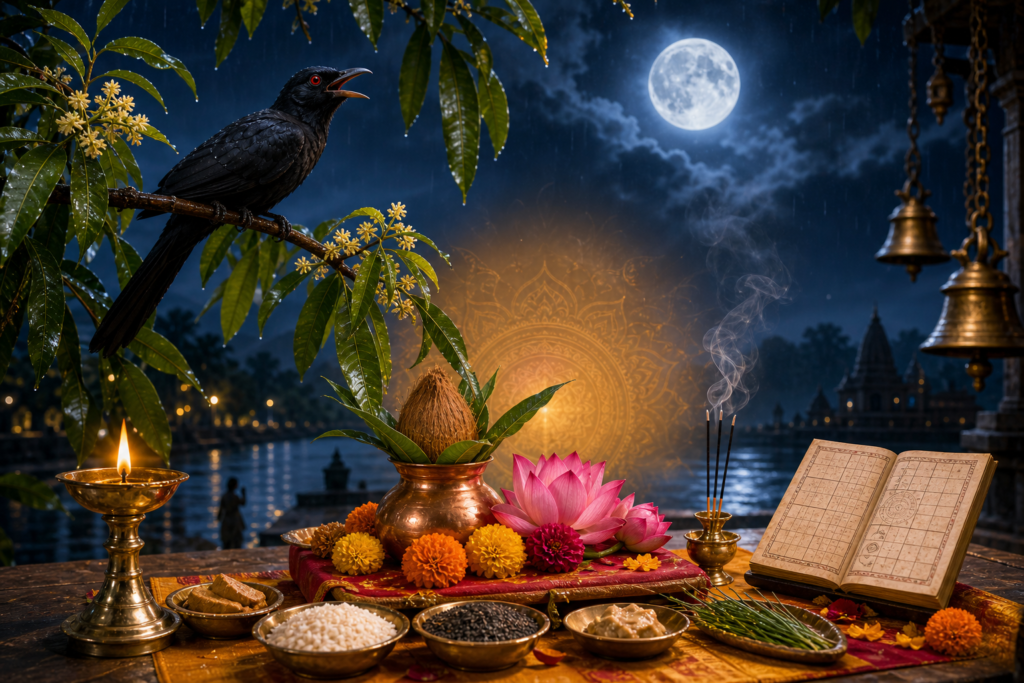
Wednesday, March 11, 2026, in the Hindu calendar (Panchang) spans the waning fortnight and is observed as Krishna Paksha Ashtami in most regions. Krishna Paksha Saptami continues until 12:11 AM on March 11, after which Krishna Paksha Ashtami prevails for the remainder of the day. This delineation follows the traditional lunar reckoning in which tithi boundaries may cross midnight and do not align neatly with civil dates.
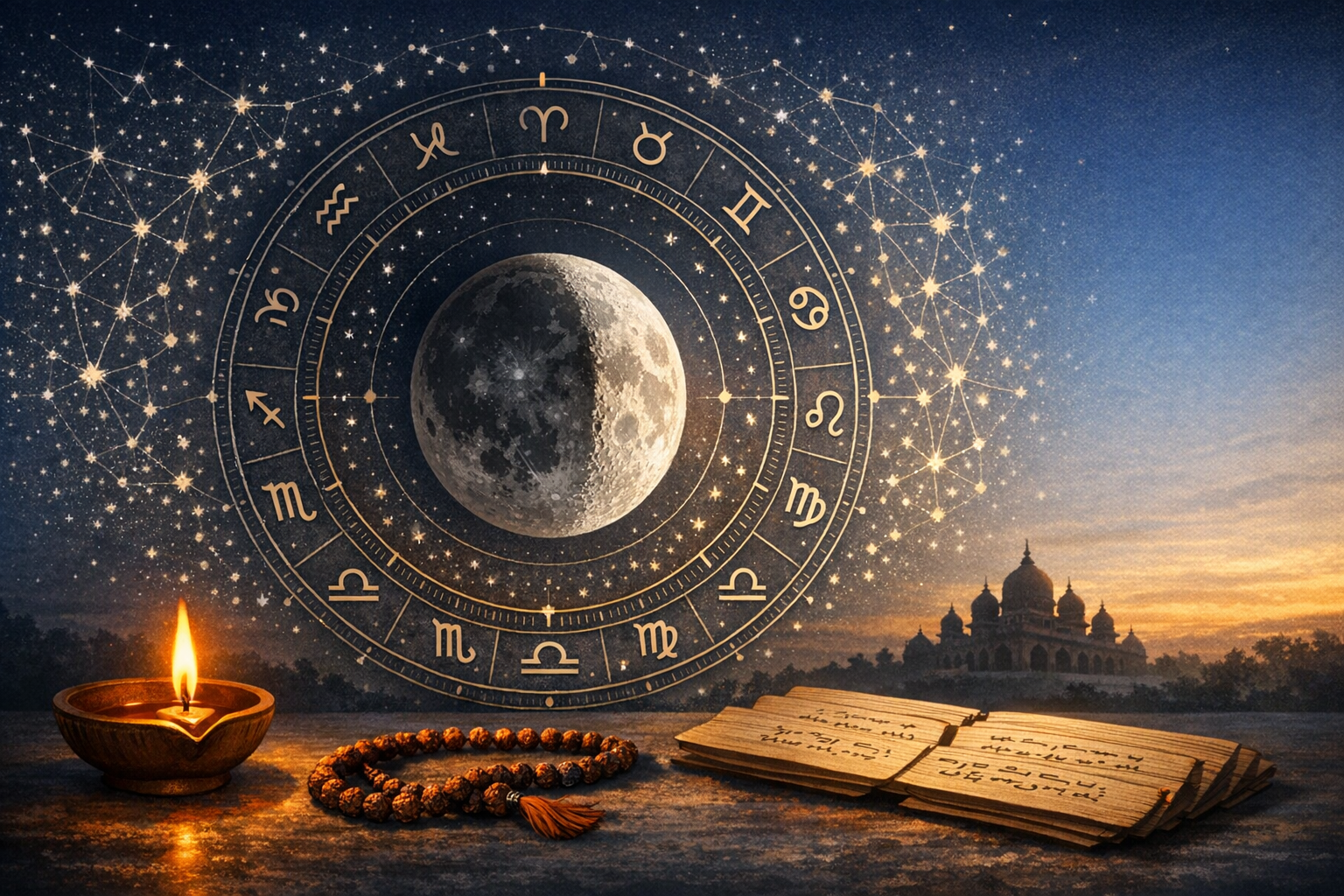
In Panchang computation, a tithi is defined by the angular separation between the Moon and the Sun along the ecliptic; each tithi corresponds to a 12° increment in this separation. Because the Moon’s apparent motion is variable, the duration of a tithi can range roughly from 19 to 26 hours, which explains why the same civil date can carry different tithis at different times and locations. The day-to-day assignment in many observances is governed by the tithi prevailing at local sunrise, a convention that helps standardize practice while accommodating astronomical variability.
Applying the sunrise convention to this date, Krishna Paksha Ashtami is operative at sunrise on March 11, 2026, in most locations; consequently, almanacs and temple calendars typically list the day as Ashtami. The preceding Krishna Paksha Saptami concludes at 12:11 AM (local time in most regions), transitioning the devotional emphasis of the day toward the contemplative and inward-looking qualities often associated with the dark half of the month.
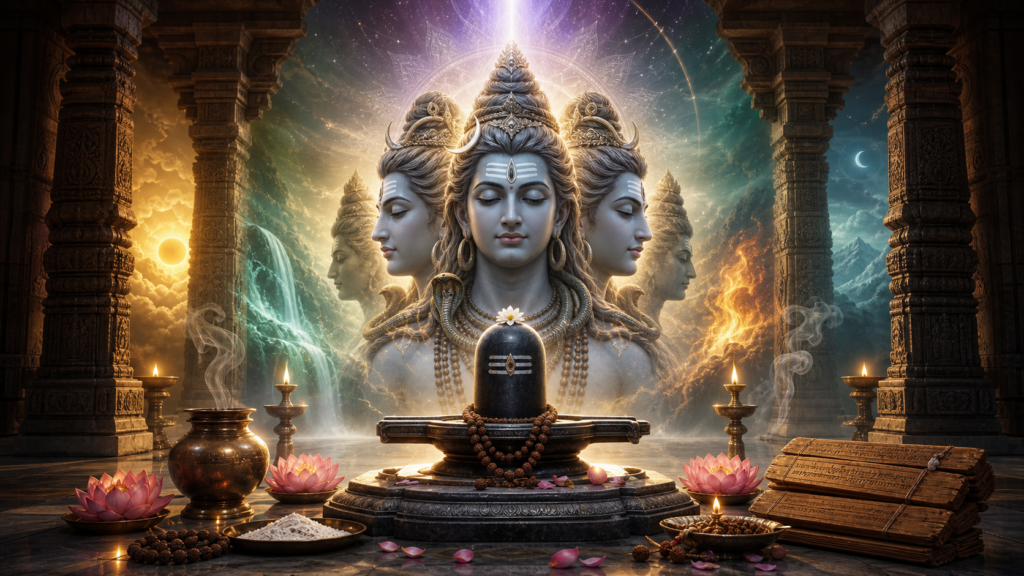
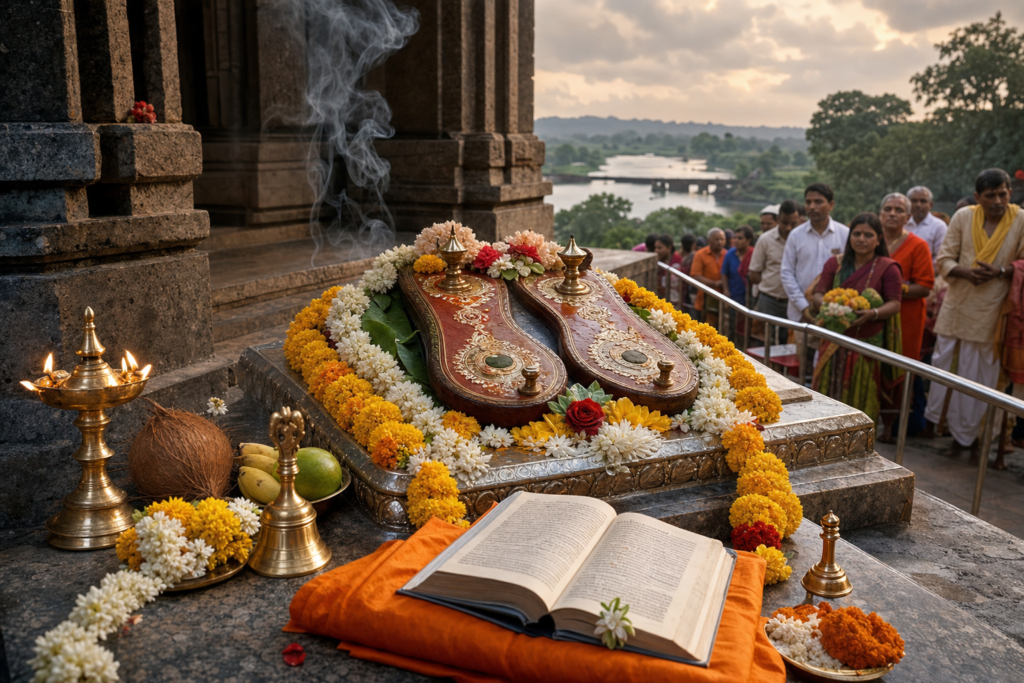
Krishna Paksha Ashtami has a gentle, introspective tenor in many Hindu traditions. Households and shrines frequently mark the day with japa, dhyana, and simple upavasa (fasting) according to capacity. In several sampradayas, the monthly observance known as Kala Ashtami is associated with honoring aspects of Shiva as Bhairava, while Vaishnava practices may place emphasis on remembrance of Sri Krishna’s lilas and nama-smarana. Customs and dietary rules vary by region and lineage, yet a shared thread is the preference for quiet merit-gatheringstudy of shastra, seva, and mindful restraint.
Nakshatra and Rashi are essential coordinates for planning personal practice and community rituals, though their exact names and timings are location-specific and not provided here. Nakshatra is determined by the Moon’s position among the 27 stellar divisions, guiding the emotional and ritual tone of the day. Rashi reflects the Moon’s sidereal sign (Nirayana system), derived using an ayanamsa (commonly Lahiri), and is helpful for assessing day-quality in personal astrology and sankalpa. Given the dependence on precise longitude, latitude, and time zone, local Panchang or regional temple almanacs should be consulted for the authoritative Nakshatra and Moon Rashi for one’s place of residence.
For muhurta considerations, traditional guidelines favor spiritually nourishing windows rather than fixed clock times that may mislead across regions. Brahma Muhurtaapproximately the last 96 minutes before local sunriseis widely preferred for meditation, mantra, and pranayama. Abhijit Muhurta, centered around local solar noon, is classically considered steady for commencing important, dharmic undertakings when other auspicious windows are unavailable. Many practitioners also avoid Rahu Kalam, Yamaganda, and Gulika segments for initiating significant tasks; these are calculated from local sunrise and sunset and therefore shift daily with the season and geography.
The Panchang’s structureTithi, Nakshatra, Yoga, and Karanaembodies a sophisticated synthesis of observational astronomy and lived spirituality. The synodic month of about 29.53 days underpins the waxing (Shukla Paksha) and waning (Krishna Paksha) halves, animating a cyclical pedagogy: expansion and expression in the bright half, introspection and conservation in the dark half. Krishna Paksha Ashtami sits near the contemplative midpoint of the fortnight, making it apt for recommitment to vows, gentle study of the Upanishads and Puranas, and acts of quiet generosity.
Across dharmic traditions, the 8th lunar day frequently carries resonance. In Buddhism, Uposatha observances often include the 8th lunar day, inviting sīla (ethical restraint) and bhāvanā (cultivation) as communal disciplines. In Jainism, many observe Ashtami upavasa (fasting) or anuvrata-strengthening practices on the 8th day, aligning ethical resolve with lunar rhythm. Sikh observances primarily follow the Nanakshahi (solar) calendar today, yet historical and community practices in some contexts have referenced the Bikrami lunar cycle for certain commemorations. These shared engagements with lunar time reflect a civilizational affinity for cyclical harmony and reinforce the spirit of unity among Hindu, Buddhist, Jain, and Sikh communities.
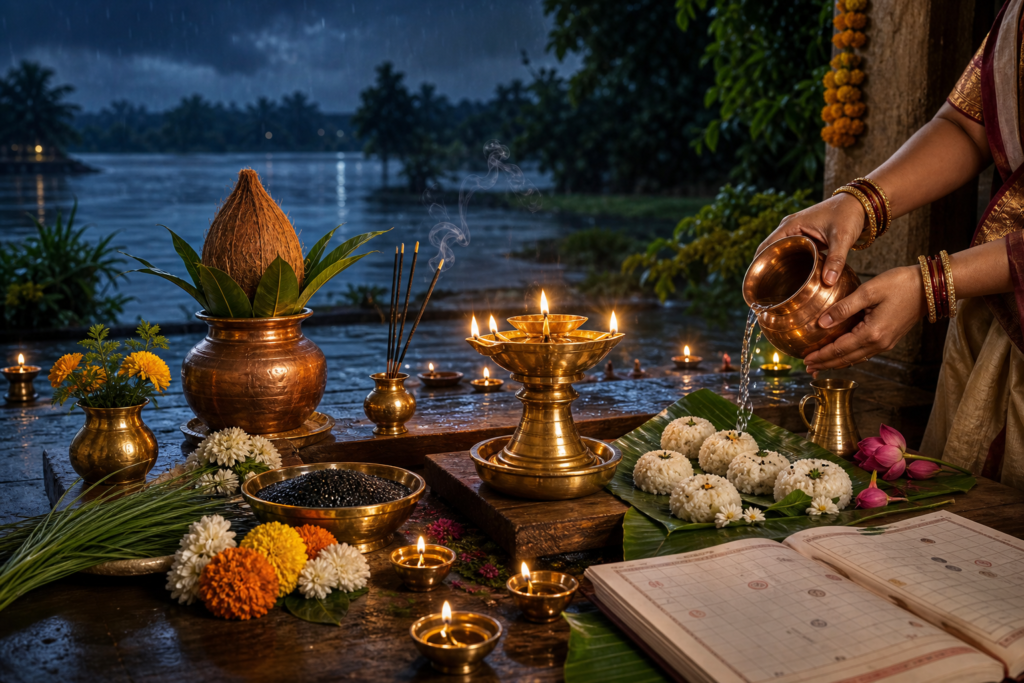
Practically, devotees and households can align the day with gentle, purposeful actions: begin with mantra and contemplation in Brahma Muhurta if feasible; structure important tasks around stable, light-filled periods of the day; and reserve the evening for satsanga, svadhyaya, or quiet remembrance. Many find that even small, consistent disciplines undertaken on Ashtamireducing overstimulation, speaking softly, cooking satvik foods, or engaging in charitycreate a felt sense of inner steadiness and communal goodwill.
Because Panchang data are sensitive to place and time, the phrase “in most regions” is vital: a tithi can begin or end at different civil times depending on longitude and time zone. For precise planningespecially for temple services, sankalpa statements, samskaras, or formal vratarely on a reputable regional Panchang (Nirayana) that specifies Tithi start–end times, Nakshatra, Moon Rashi, Yoga, Karana, and the day’s Rahu Kalam, Yamaganda, and Gulika segments for the local horizon.
Observed with care and mutual respect, March 11, 2026Krishna Paksha Ashtamioffers a meaningful opportunity to attune daily life to the Moon’s gentle cadence. The Panchang’s sacred grammar not only guides individual sadhana but also nurtures a broader ethos of unity and reverence shared across the dharmic family, reminding communities that cyclical time is a common inheritance and a living bridge among traditions.
Inspired by this post on Hindu Blog.