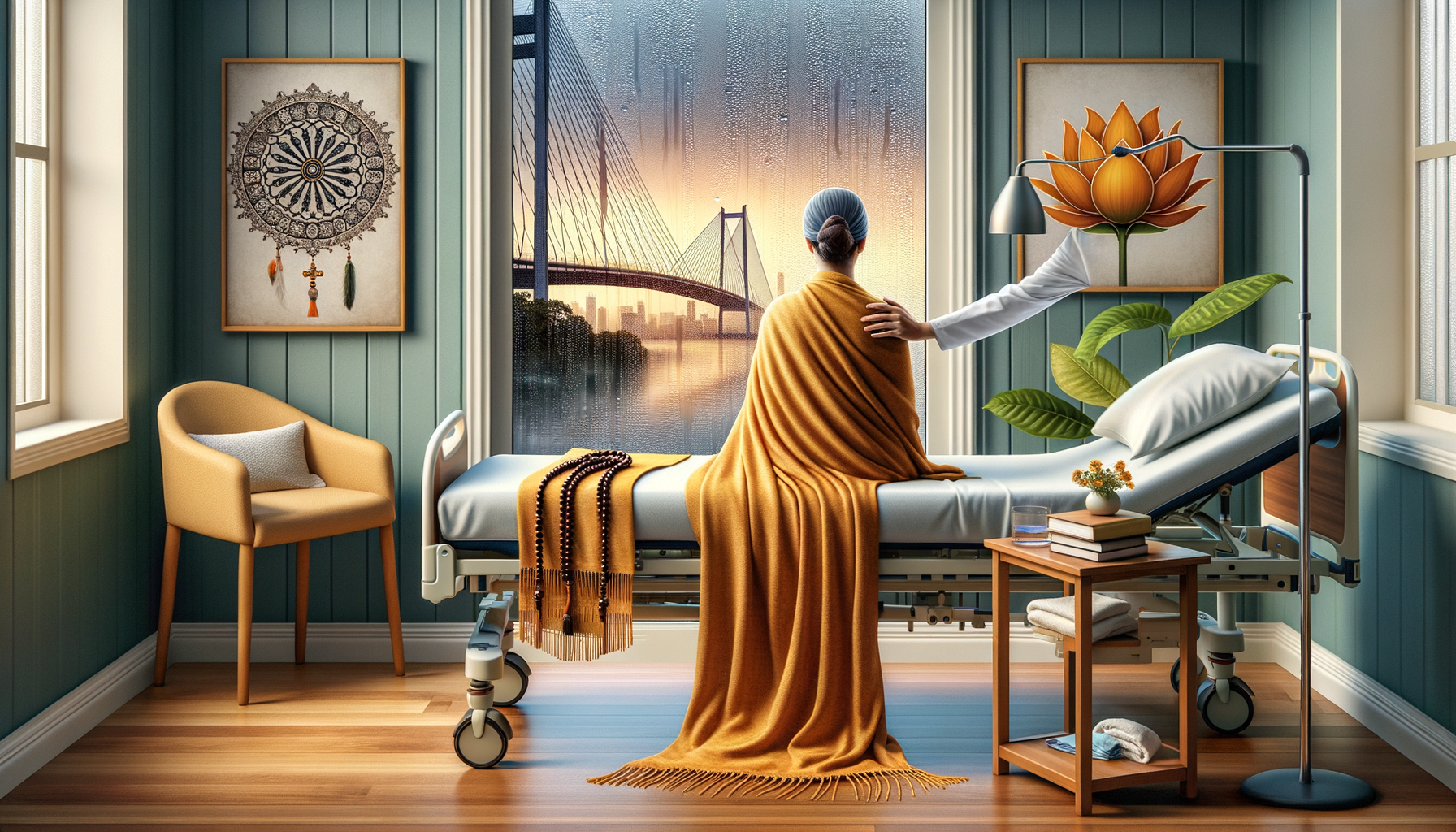
HH Bhaktivaibhava Swami recently experienced a stroke and is receiving comprehensive medical care at a hospital in Kolkata. Physicians have initiated a structured stroke rehabilitation program, and clinical oversight is ongoing. This update reflects verified information currently available and focuses on health status and recovery context.
A widely respected spiritual leader within ISKCON (International Society For Krishna Consciousness), HH Bhaktivaibhava Swami’s health news has prompted thoughtful concern from devotees and well-wishers worldwide. Across dharmic traditions—Hinduism, Buddhism, Jainism, and Sikhism—expressions of compassion, care, and solidarity exemplify a shared ethic of karuṇā and ahiṁsā. This collective goodwill highlights unity in spiritual diversity and a commitment to human dignity during times of vulnerability.
A brief message attributed to him conveys sincere gratitude for the community’s kindness and support, noting that ongoing communication from well-wishers remains a meaningful source of strength. Such sentiments are consistent with the value placed on satsanga and communal connection in dharmic thought, where mutual care and presence can meaningfully complement medical recovery.
In clinical terms, early stroke rehabilitation commonly includes individualized physiotherapy, occupational therapy, and, when indicated, speech and cognitive therapy, alongside regular neurological monitoring. Evidence-based rehabilitation emphasizes timely intervention, goal-oriented care, and careful assessment of progress. Outcomes vary by case, but structured programs and continuity of care are associated with improved functional recovery and quality of life.
As recovery proceeds under medical supervision in Kolkata, further updates will prioritize accuracy, patient privacy, and respect for the care team’s guidance. The situation serves as a reminder of shared dharmic values—compassion, restraint, and service—that encourage communities to stand together with empathy and dignity.
Inspired by this post on Dandavats.