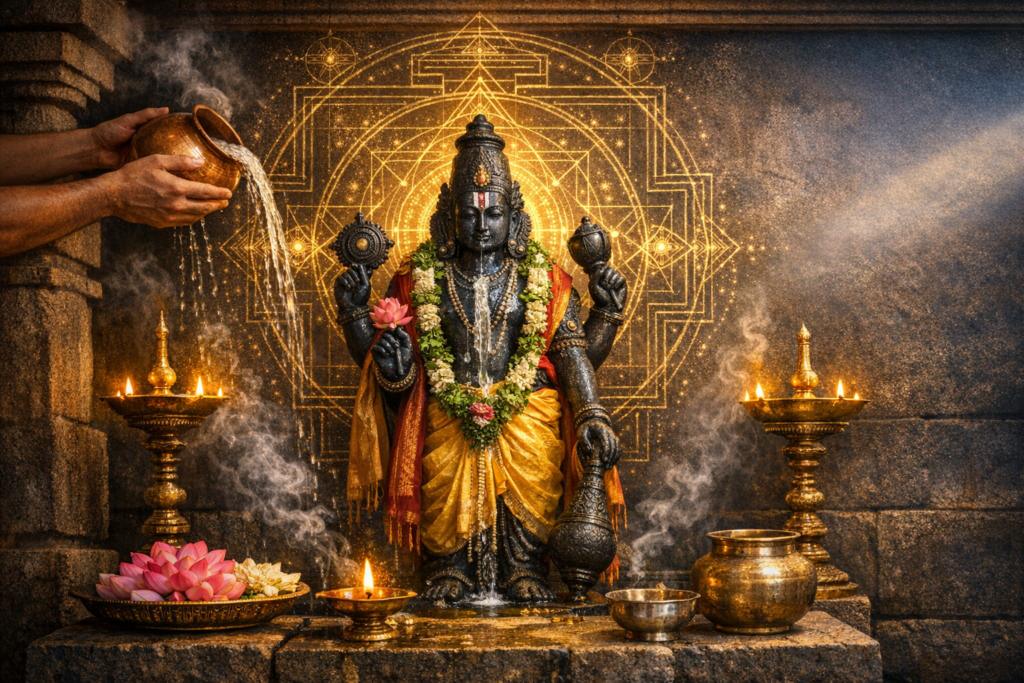
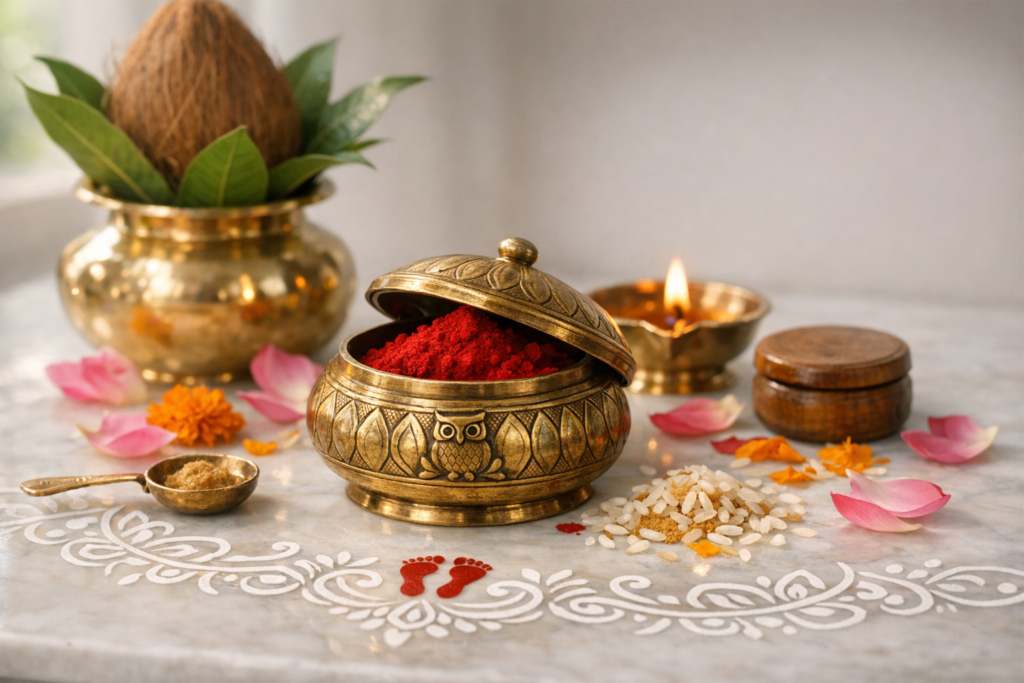
Rahu Ketu Pooja at Sri Kalahasti Temple is widely observed to mitigate the perceived effects of Rahu Dosha, Ketu Dosha, Sarpa Dosha, Kalasarpa Dosha, Naga Dosha, and Sarpa Hatya Dosha. Traditionally, devotees undertake this remedial ritual when encountering delays in marriage, challenges in begetting children, recurring obstacles in career or education, and persistent emotional restlessness. The practice aligns intention, prayer, and discipline with time-honored temple procedures to cultivate clarity and inner steadiness.
Located in Srikalahasti, Andhra Pradesh, the temple is renowned as a powerful kshetra for Rahu and Ketu worship and is celebrated for its uninterrupted ritual tradition. Rahu Ketu Pooja is conducted on all days, enabling pilgrims to plan visits throughout the year while still choosing particularly auspicious dates and timings based on the Hindu calendar and local Panchang.
While the ritual may be performed on any day, several occasions are traditionally regarded as especially auspicious. Amavasya and purnima are preferred by many for their heightened devotional focus; eclipse days (Surya Grahan and Chandra Grahan) are also considered potent for sankalpa when managed with due care and crowd awareness. In addition, Tuesdays, Saturdays, and even Sundays see higher participation, reflecting customary preferences for addressing planetary afflictions. The best approach is to combine a suitable day with an appropriate time window to strengthen the spiritual resolve.
With respect to auspicious timings, Rahu Kalam is central to this pooja. Unlike most activities where Rahu Kalam is typically avoided, the Rahu Ketu Pooja is intentionally scheduled within this period. As Rahu Kalam depends on the local sunrise and divides daytime into equal segments, it varies by weekday and location; consulting an accurate Panchang or the temple’s daily schedule ensures precision. At Sri Kalahasti Temple, multiple sessions are generally available across the day, with special emphasis during Rahu Kalam.
Practical planning enhances the experience. Arriving early helps navigate queues on Amavasya, purnima, Tuesdays, Saturdays, and eclipse days. Purchasing the official puja ticket and kit at temple counters, observing a modest dress code, and following archaka guidance supports a smooth, respectful ritual. Because seasonal festivals and special tithis draw larger crowds, verifying the day’s timings, ticket categories, and flow upon arrival is advisable.
Many devotees describe a noticeable sense of calm and release after completing the Rahu Ketu Pooja, interpreting the ritual as a disciplined way to address karmic patterns through prayer, self-restraint, and devotion. Within the broader family of dharmic traditions, there is a shared reverence for time cycles, disciplined practice, and ethical intent. Approached in this spirit, the ritual reinforces mutual respect and unity, honoring the diverse pathways of Hindu, Buddhist, Jain, and Sikh communities while focusing on compassion, self-improvement, and social harmony.
Responsible expectations are important. The pooja functions as a spiritual support that complements personal effort, ethical living, and service to others. Families often integrate the practice with vrata, japa, dana, or scriptural recitation as guided by elders and local tradition. By uniting devotion with right conduct, devotees aim to transform anxiety into steadiness and obstacles into opportunities for growth.
In summary, the best days for Rahu Ketu Pooja at Sri Kalahasti Temple include Amavasya, purnima, eclipse days, and commonly preferred weekdays such as Tuesday and Saturday. The most auspicious timing is during Rahu Kalam, calculated from the local sunrise and confirmed via a reliable Panchang or onsite scheduling. Thoughtful planning, adherence to temple procedures, and a spirit of unity across dharmic traditions help ensure a meaningful and composed pilgrimage experience.
Inspired by this post on Hindu Pad.