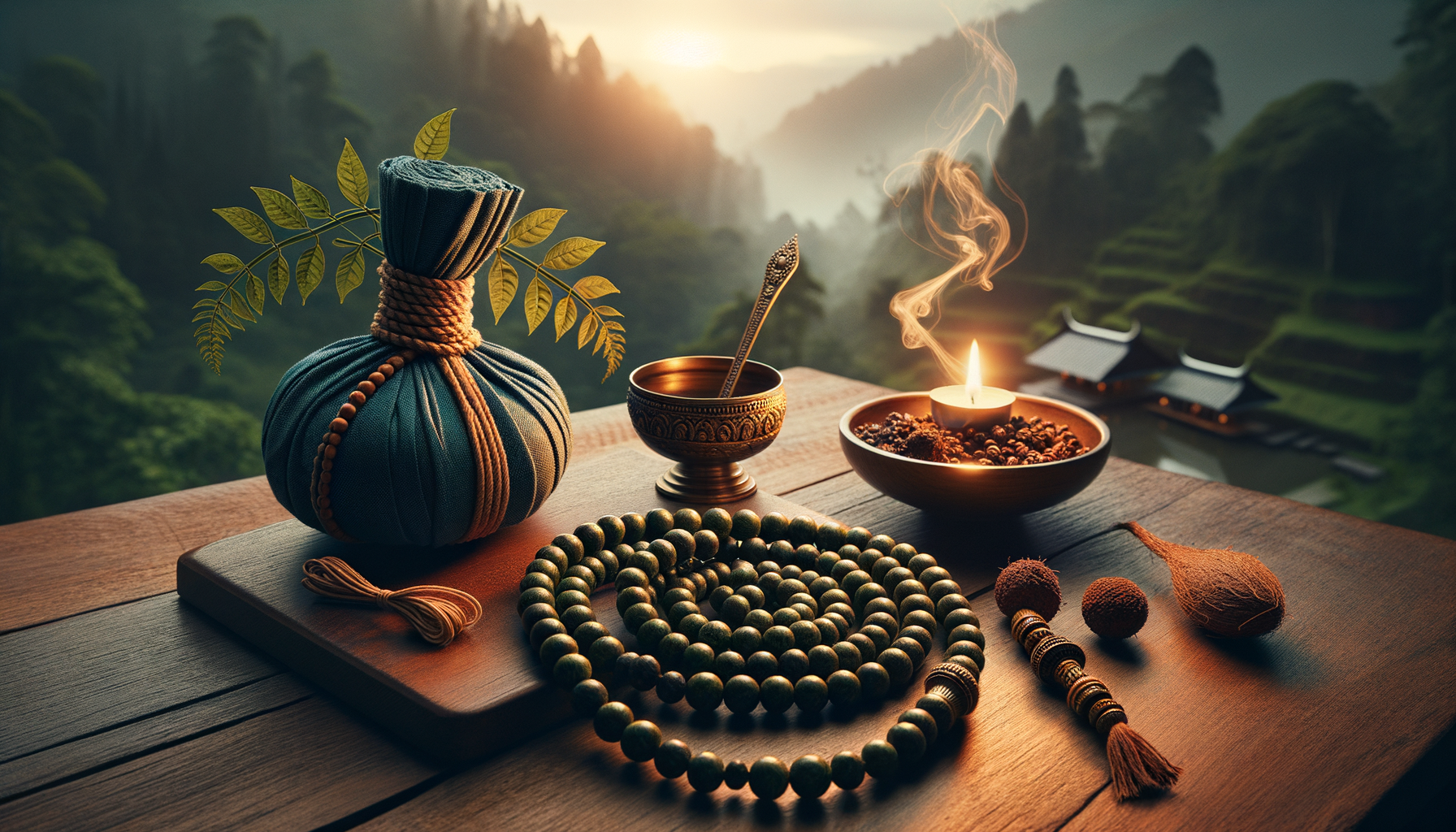
Tulasi Mala is a sacred devotional garland widely available in puja shops and prominently associated with the observances of Ayyappa devotees preparing for the Sabarimala Ayyappa Temple pilgrimage in Kerala. Within many Hindu communities, especially among elders, wearing Tulasi Mala remains a living tradition that signals commitment to daily prayer, ethical discipline, and remembrance of the Divine. Its presence at home and in pilgrimage settings reflects an enduring continuity between household worship and temple-centered vows.
In Hindu symbolism, Tulasi (holy basil) is venerated for purity, devotion, and protection. The mala fashioned from Tulasi wood is used for japa (mantra recitation) and quiet contemplation, helping practitioners cultivate sattvaclarity, steadiness, and compassion. While Tulasi Mala is closely linked with Vaishnava devotion to Sri Krishna and Lord Vishnu, its contemplative function resonates across dharmic traditions, where prayer beadswhether Tulasi, Rudraksha, Bodhi seed, or Chandanserve as shared tools for mindful repetition, ethical grounding, and inner stillness.
For Ayyappa devotees, wearing Tulasi Mala often marks the beginning of the vratham, a period of disciplined living undertaken before traveling to Sabarimala. The mala becomes an outward reminder of inward vows: simplicity in diet, restraint in speech, service to others, and daily prayers. In community memory, this act fosters solidarity, signaling a shared journey guided by humility, patience, and reverence for sacred geography and tradition.
Beyond pilgrimage, many households retain the practice of wearing Tulasi Mala as a gentle anchor for everyday devotion. Practitioners frequently describe a steadying emotional effect during japa, reporting greater focus during mantra recitation and a comforting sense of connection during life’s uncertainties. Such experiences, while personal and varied, contribute to the mala’s standing as both an object of worship and a companion in ethical living.
Ayurveda regards Tulasi as supportive for resilience and equilibrium, describing its leaves as aromatic, purifying, and uplifting. While wearing a wooden Tulasi Mala is not a medical intervention, the associated practicesslow breathing, mantra repetition, and regular contemplationalign with well-being techniques known to reduce perceived stress and improve attention. Devotees often note clearer routines, calmer moods, and improved sleep hygiene as indirect benefits of a consistent japa practice. For health concerns, qualified medical guidance remains essential, with the mala best understood as a spiritual aid complementing, not replacing, healthcare.
Care for Tulasi Mala is simple and respectful: keep it clean and dry, avoid harsh perfumes or chemicals, and store it in a dedicated pouch when not in use. Many choose to begin use with a brief sankalpa (intent) and a mantrasuch as the names of Vishnu or Ayyappabefore integrating it into daily japa. Ethical sourcing is equally important; selecting malas crafted with care for the plant and artisans honors the living ecosystem of devotion and the communities that sustain it.
Across the dharmic familyHinduism, Buddhism, Jainism, and Sikhismbeads function as shared instruments for remembrance, self-restraint, and compassion. Tulasi Mala stands within this broader tapestry, affirming that contemplative repetition, ethical vows, and community service transcend sectarian lines. The mala thus becomes more than an ornament: it is a bridge between traditions, a quiet guide for inner discipline, and a symbol of unity in diversity.
Inspired by this post on Hindu Pad.