Santana Prapti Shasta is revered as a compassionate manifestation of Dharma Shasta (Ayyappa), invoked for blessings of progeny, continuity of lineage, and harmony within family life. Counted among the Ashta Shastathe eight principal manifestationsthis form emphasizes the nurturing, protective, and prosperity-bestowing dimensions of Shasta’s grace.
In many households, worship of Santana Prapti Shasta reflects a holistic aspiration: not only for children, but also for the ethical continuity of family values, mutual respect, and emotional well-being. Devotees seek protection from obstacles, prosperity rooted in dharma, and the subtle stability that sustains relationships across generations.
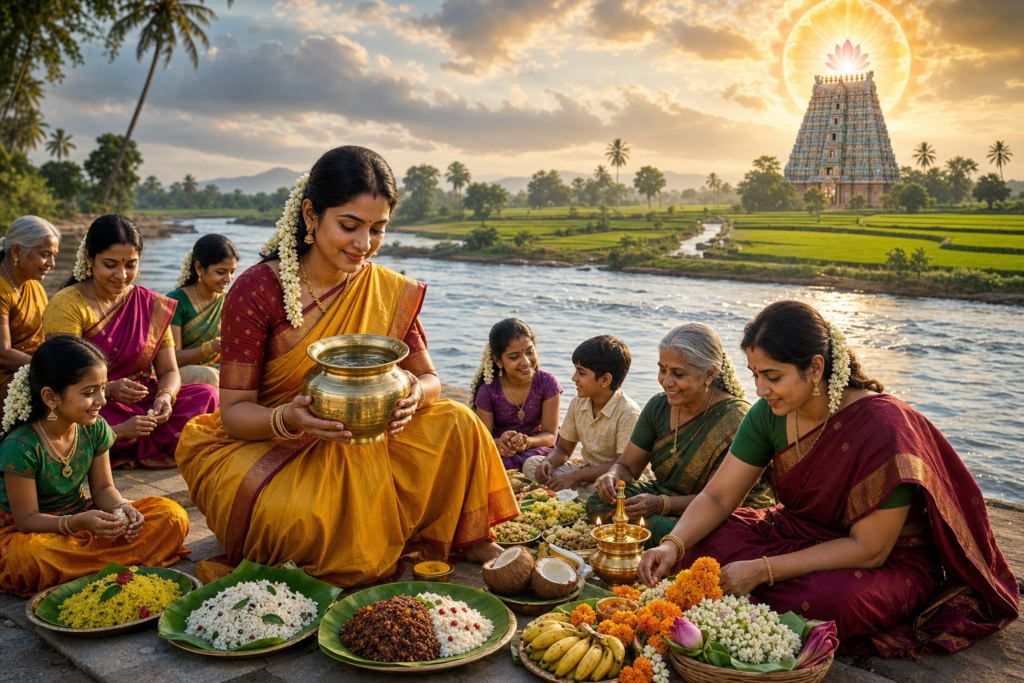
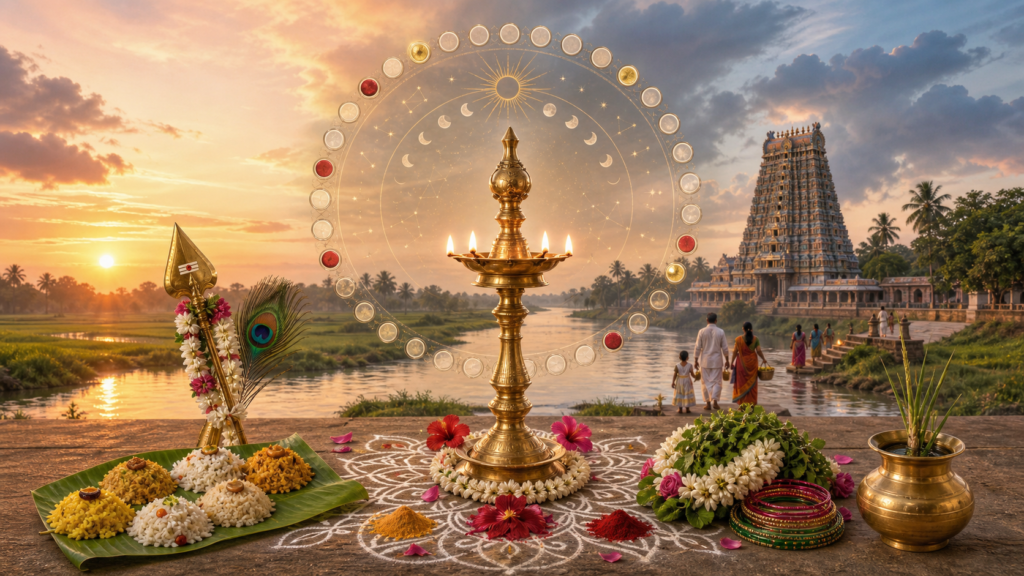
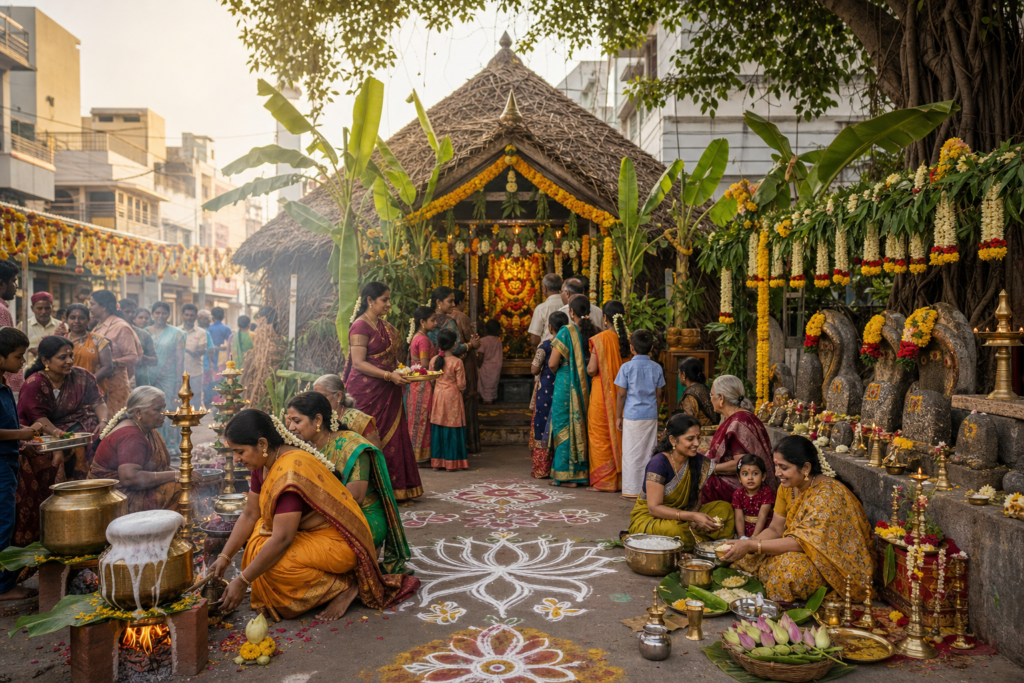
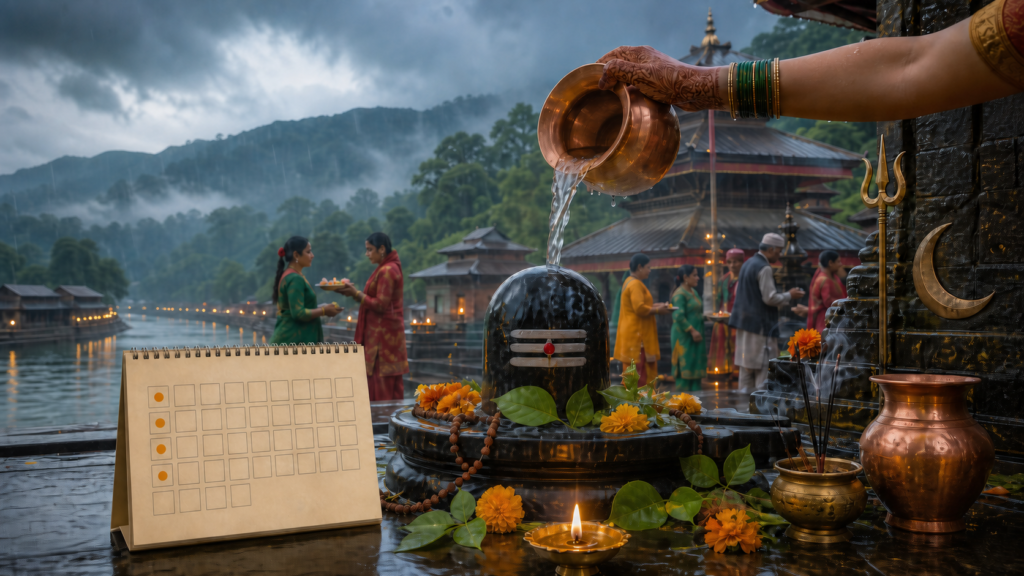
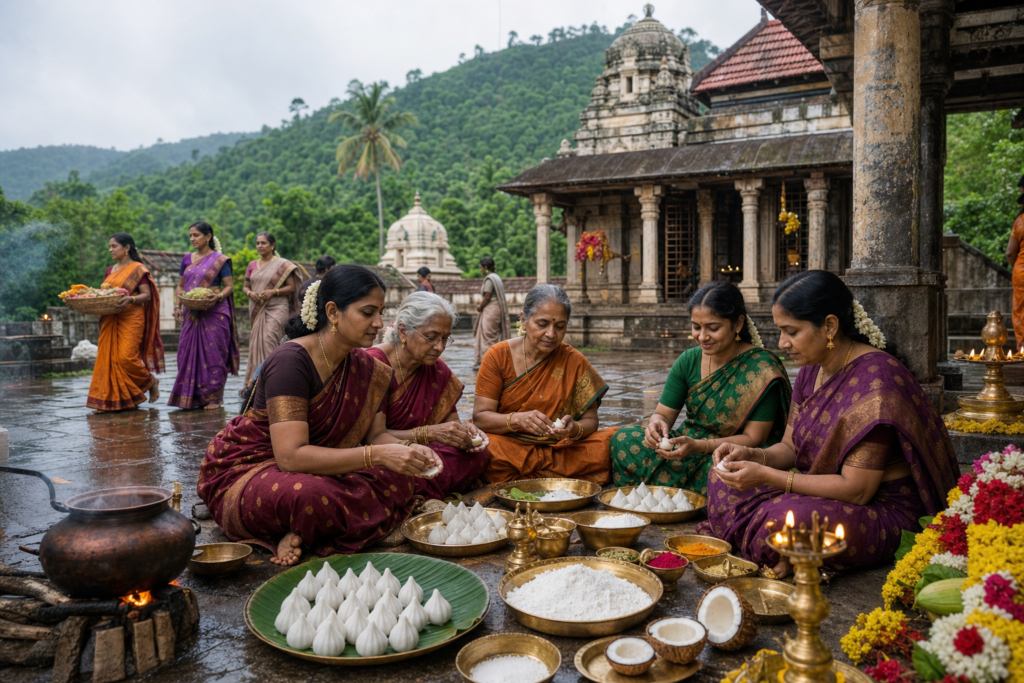
Traditionally, devotees perform puja and archana with simple offerings such as lamps, flowers, and prasada, accompanied by stotras dedicated to Shasta. These observances are often undertaken during family milestones, vows (vrata), and auspicious days, aligning spiritual intention with the practical rhythms of domestic life. The emphasis remains on shraddha (faith), sincerity, and steady remembrance, more than on elaborate ritual.
Iconographically, Santana Prapti Shasta is understood as a serene guardian of lineage and well-being, embodying compassion, discipline, and protection. Temples and home altars across South India preserve this devotional thread, where Ayyappa traditions highlight Shasta’s readiness to respond to heartfelt prayers for wholesome growth, familial cohesion, and moral clarity.
Within the broader tapestry of Sanatana Dharma, this form affirms a universal value shared across dharmic traditionsHinduism, Buddhism, Jainism, and Sikhismnamely, care for future generations, ethical living, and service to community. The aspiration for santana (offspring), when framed through dharma, becomes a commitment to nurture wisdom, empathy, and responsibility that benefit society at large.
Devotees frequently recount that consistent remembrance of Santana Prapti Shasta brings calm to anxious minds, renews hope amid uncertainty, and strengthens bonds during times of change. Such experiences underscore how spiritual practice offers both emotional resilience and practical clarity, guiding families toward harmony and purposeful living.
As part of the Ashta Shasta tradition, Santana Prapti Shasta illuminates the inclusive and unifying spirit of Ayyappa worship: diverse paths converging on shared goals of protection, prosperity, and ethical continuity. Approached with devotion and discernment, this form invites families to cultivate virtue, honor lineage, and walk together in the light of dharma.
Inspired by this post on Hindu Blog.