Ajapa Natanam, within the Shaivite tradition, signifies the silent dance of consciousnessan inward, breath-led rhythm that transcends external movement and audible chant. Unlike the dynamic Ananda Thandavam or the fierce Rudra Thandavam, this expression centers the contemplative dimension of Shiva’s presence as Nataraja. The term “Ajapa” indicates that the mantra unfolds without deliberate recitation, allowing awareness to attune to the body’s natural breath-flow as a living, continuous prayer.
The essence of this breath-dance rests in the spontaneous mantra often described in yogic literature as so’ham or hamsa. Each inhalation and exhalation articulates an unspoken japa, aligning breath and consciousness without force. In this way, Ajapa Natanam becomes a disciplined yet effortless dhyana, where the mind softens into stillness and the inner witness perceives the subtle movement of prāṇa as sacred.
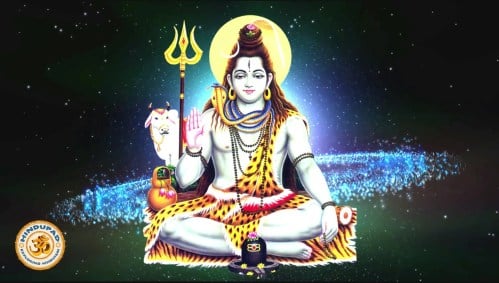
Symbolically, the practice may be understood through the iconography of Shiva as Nataraja. The ḍamaru suggests the primal spandathe cosmic pulse mirrored in the heartbeat and the cadence of breath. The flame (agni) evokes the dissolution of outdated impressions, as steady attention burns through distraction. The raised hand in abhaya confers fearlessness cultivated by balanced breath and clear awareness, while apasmara beneath the dancing foot represents the subduing of mental restlessness. The circular prabhāmaṇḍala encircling Nataraja can be read as the cycle of inhalation and exhalation that frames embodied life.
From a yogic perspective, Ajapa Natanam harmonizes breath and attention so the subtle currents of prāṇa can settle toward the sushumna nadi. As the body relaxes and the spine naturally elongates, awareness may sense a quiet resonance near the anahata, lending a felt stability and compassion to experience. This is not a technique of muscular effort; rather, it is breath awareness refined into yogic breathingclear, gentle, and continuousallowing consciousness to rest in its own luminosity.
A simple approach supports this inner dance. Sit comfortably with an upright spine, soften the gaze or close the eyes, and notice the inhalation and exhalation as they are. Without altering tempo, silently recognize the breath’s natural mantraso’ham with the in-breath, hamsa with the out-breath. Allow attention to return to breath whenever it wanders. Over time, nairantarya abhyaseuninterrupted, regular practicecultivates a stable, compassionate clarity. This is not forceful Pranayama but attentive, easeful breath awareness aligned with dhyana.
Many practitioners observe tangible benefits: emotional balance, mental clarity, and a grounded sense of presence in daily responsibilities. Whether navigating professional demands, caregiving, or study, a few minutes of silent japa through breath can restore equilibrium. The body’s rhythms slow, attention focuses, and reactions soften into thoughtful responses. Such outcomes reflect enduring Meditation benefits documented across yogic and contemplative traditions.
Ajapa Natanam also resonates with the shared contemplative heart of dharmic paths. In Buddhism, anāpānasati refines mindful breathing into insight; in Jainism, samayik steadies attention in equanimity; in Sikhism, simran attunes remembrance to the pulse of life. Though terms differ, the unifying thread is clear: breath and consciousness meet to cultivate inner peace, ethical clarity, and compassion. Recognizing these convergences honors Unity in spiritual diversity while preserving each tradition’s integrity.
Ultimately, Ajapa Natanam presents a symbolic and practical invitation: the universe is already dancing through breath. When awareness abides in this silent rhythm, the mind’s turbulence recedes, and the heart discerns meaning beyond words. In that stillness, Shiva’s dance is neither distant nor abstractit is present in every living breath, accessible to all, and quietly transformative.
Inspired by this post on Hindu Blog.