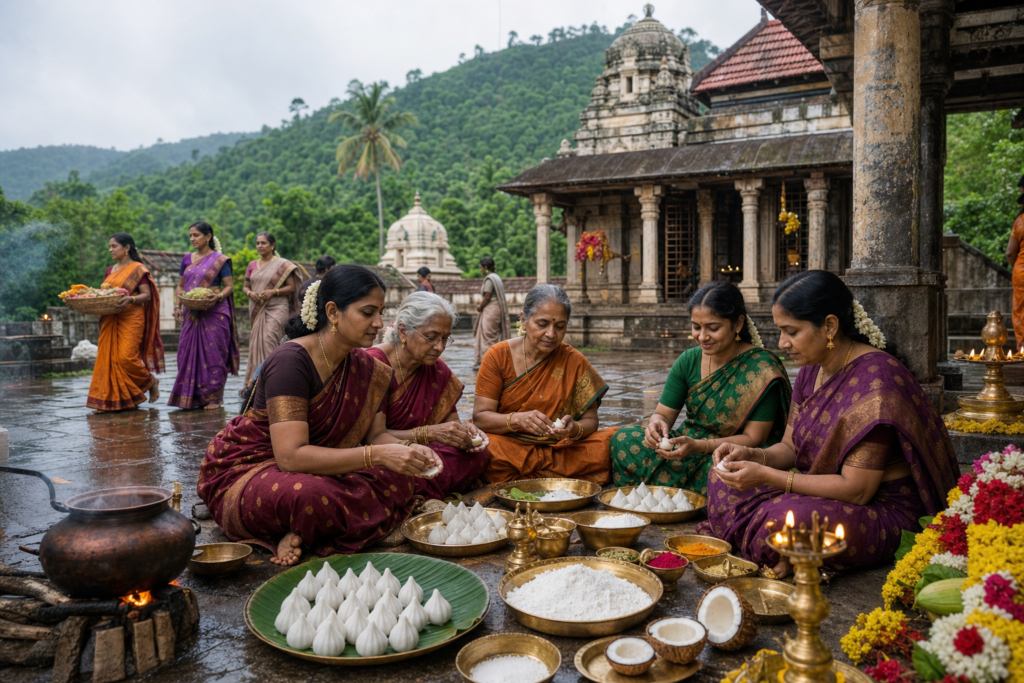
On 2 February 2026, the Utsava Idols of Sri Kodandarama Swamy, accompanied by Sita and Lakshmana, will be taken in a ceremonial Peta Utsavam procession from the Sri Kodandarama Swamy Temple, Tirupati, to Kupuchandra Peta (Kupucandrapeta). The village, situated approximately 8 km from Tirupati, will welcome the deities at 9:30 a.m., following which the sacred Snapana Tirumanjanam (ablution ritual) will be performed. The schedule emphasizes reverence, community participation, and the preservation of time-honored temple traditions.
Peta Utsavam, historically associated with bringing Utsava Murtis beyond the temple precincts, strengthens bonds between sacred space and community. The presence of Sri Rama, Sita, and Lakshmana in procession invokes the ideals of dharma, compassion, and steadfastness. The subsequent Snapana Tirumanjanam symbolizes purification and renewal, offering devotees a moment to reflect on inner clarity and collective well-being.
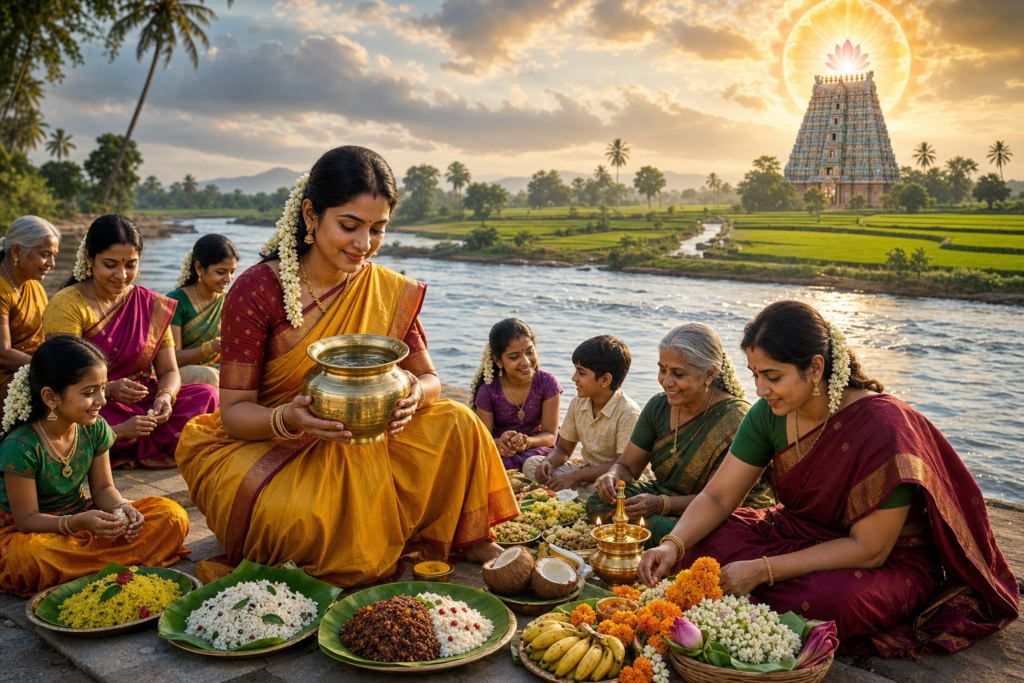
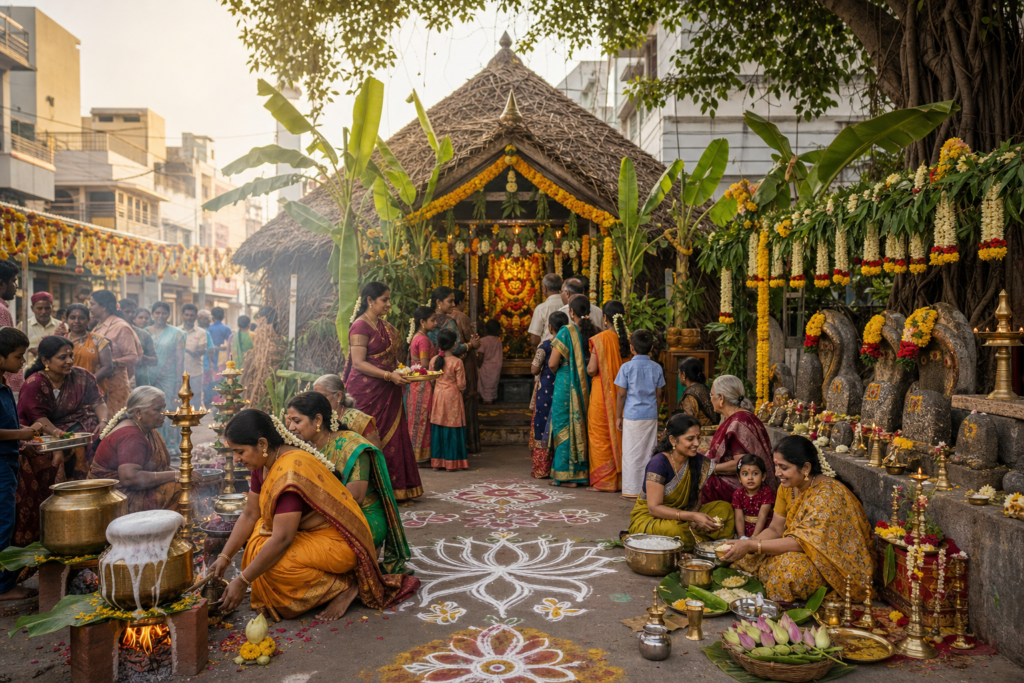
The event resonates deeply with families and pilgrims who often recall the uplifting sight of children waving festoons, elders offering prayers, and communities sharing prasada with care. Such collective experiences foster social harmony and provide living continuity to regional heritage in Andhra Pradesh. The devotional ambiance, marked by mangala vadyam and disciplined seva, nurtures a calm, contemplative mood conducive to darshan.
Practical planning enhances the experience for devotees. Given the 8 km route to Kupuchandra Peta (Kupucandrapeta) and the 9:30 a.m. arrival, early travel, hydration, and attention to elderly and child-friendly arrangements are advisable. Respecting local customs, maintaining clean surroundings, and following volunteer guidance ensure both smooth movement and the sanctity of the procession. Photography should be discreet and never impede ritual flow.
Within the broader Tirupati temple ecosystem, aligned with the devotional calendar of Tirumala Tirupati Devasthanam (TTD), Peta Utsavam highlights a shared civic-spiritual ethos. The values celebratedservice (seva), non-violence (ahimsa), generosity (dana), and truthfulness (satya)speak to a wider dharmic unity cherished across Hinduism, Buddhism, Jainism, and Sikhism. This inclusive outlook encourages mutual respect, learning, and collaboration among diverse traditions while honoring local temple practices.
For cultural heritage enthusiasts, the procession offers a rare opportunity to witness living ritual arts, observe community-led organization, and experience the theological centrality of Rama-bhakti in Tirupati. By participating with humility and attentiveness, devotees contribute to preserving temple functions and ensuring that time-tested practices remain vibrant and accessible for future generations.
Inspired by this post on Hindu Pad.