Ramakrishna Teertha Mukkoti 2026 in Tirumala will be observed on 1 February 2026, with arrangements reported as complete across departments. Coordination in Tirumala ensures orderly pilgrim flow, sanitation, water access, and safety so that devotees can focus on worship and reflection. This festival remains one of the notable Hindu festivals in the region, drawing attention for its devotional depth and its careful organization by Tirumala Tirupati Devasthanam (TTD).
Celebrated annually on the full moon day (Purnima) of the sacred Magha month, the Teertha Mukkoti observance holds enduring spiritual significance. It centers on reverence for sacred waters (teertha), prayer, and purification rites associated with Magha Purnima. Devotees regard the day as especially auspicious for contemplation, gratitude, and renewal.
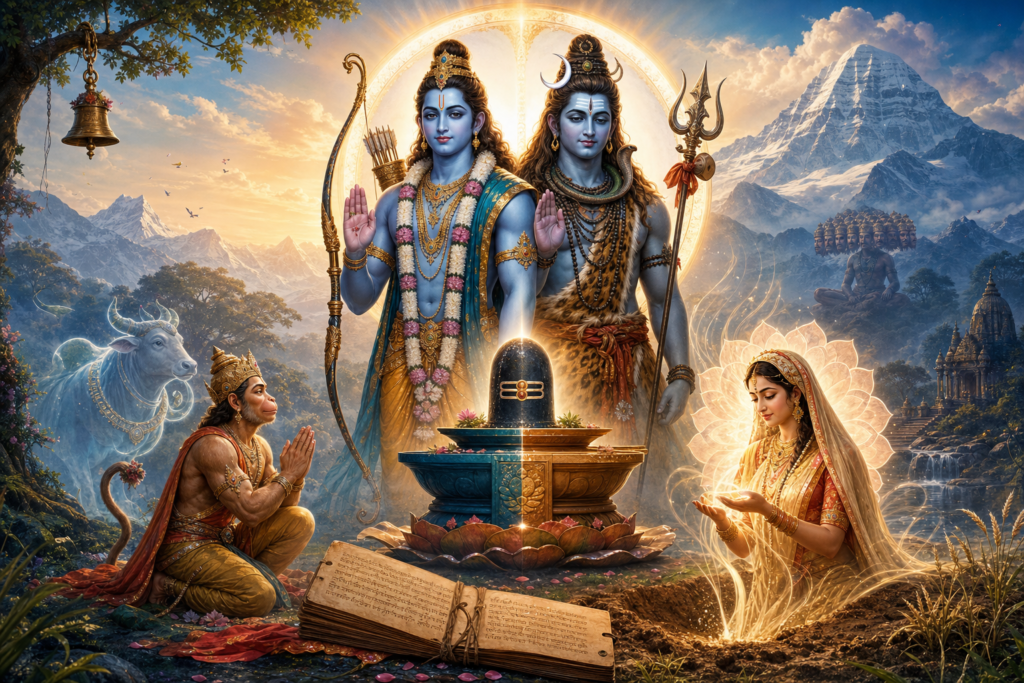
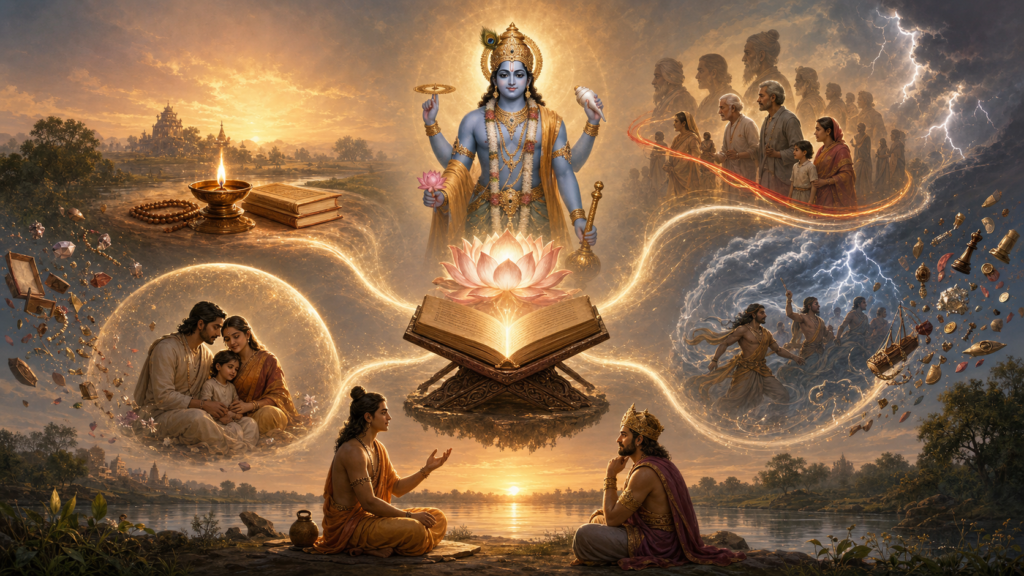
According to legend, Sri Ramakrishna Maharshi is closely associated with this teertha, a connection that inspires many to visit with humility and faith. While varying local tellings exist, the unifying theme emphasizes inner discipline, compassion, and the sanctity of the natural springs and streams that nourish Tirumala’s sacred geography.
Devotees frequently describe the experience in Tirumala as serene and elevatingarriving in the early hours, joining soft recitation and meditative silence, and sensing a shared intention for well-being. The stillness around the teertha, punctuated by prayers and simple offerings, often leaves a lasting impression of peace and clarity. Many pilgrims note that even brief moments by the sacred waters help cultivate focus and gratitude that carry into daily life.
The celebration also resonates with the broader dharmic ethos that values seva, restraint, and reverence for nature. Across Hinduism, Buddhism, Jainism, and Sikhism, the veneration of sacred spaces, mindful conduct, and communal service creates a shared moral vocabulary. Ramakrishna Teertha Mukkoti thus becomes a moment to affirm unity in diversityhonoring distinct traditions while recognizing a common commitment to compassion, truthfulness, and inner transformation.
With multi-departmental preparations in place, visitors can expect structured movement, clear guidance, and essential amenities. The emphasis on cleanliness and ecological care reflects responsible stewardship of sacred sites, encouraging pilgrims to minimize waste and support conservation. Those planning participation may consult a trusted Panchang for Magha Purnima practices in their tradition and observe local advisories for timings and entry protocols.
In sum, Ramakrishna Teertha Mukkoti 2026 exemplifies the living continuity of sacred tradition in Tirumalarooted in Magha Purnima, enriched by legend, and sustained by collective devotion and careful organization. It invites pilgrims and observers alike to experience the sanctity of teertha, deepen ethical awareness, and reaffirm unity among dharmic traditions through reverence, service, and shared cultural heritage.
Inspired by this post on Hindu Pad.