The Annual Brahmotsavams of Sri Venkateswara Swamy Temple, located near Jubilee Hills in Hyderabad, Telangana, will be observed from February 17 to February 25, 2026. The sacred proceedings begin with Ankurarpana on the evening of February 16, 2026, following Koil Alwar Thirumanjanam on February 10, a key preparatory ritual that consecrates the temple premises for the festival.
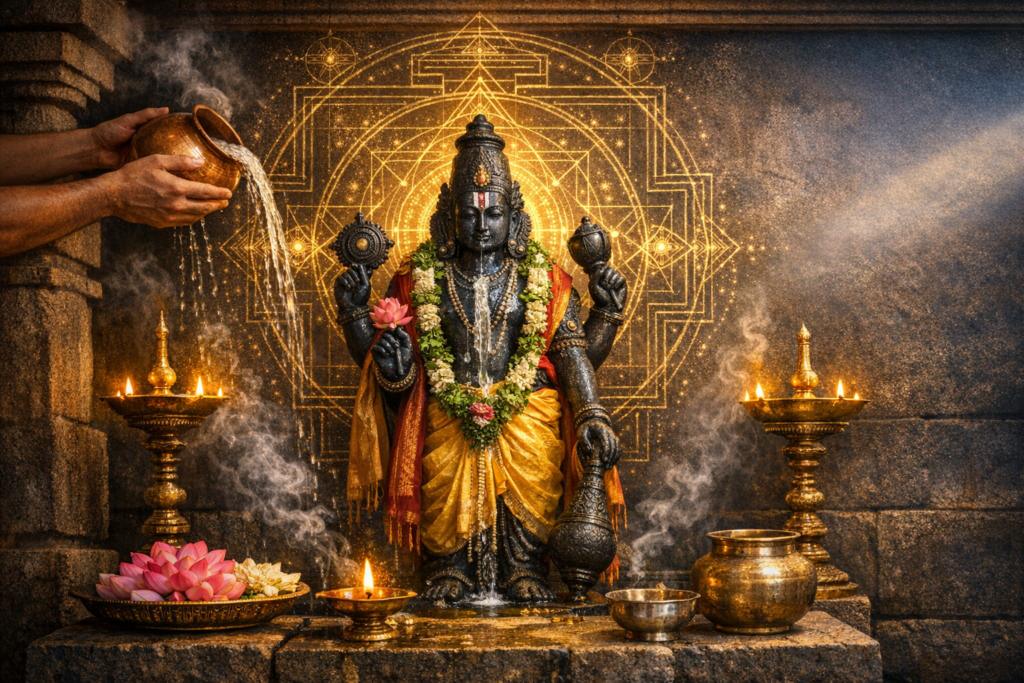
Koil Alwar Thirumanjanam is traditionally undertaken to purify and sanctify every aspect of the sanctum and temple environs, ensuring readiness for the nine-day Brahmotsavams. Ankurarpana, the ceremonial sowing of auspicious seeds, invokes prosperity and divine grace, formally inaugurating the festival cycle with ritual precision and devotional intent.
Across the festival period, Brahmotsavams typically feature daily alankarams, special poojas, and processions that celebrate Sri Venkateswara’s compassionate presence. While specific seva schedules are announced by temple authorities closer to the dates, devotees can expect disciplined ritual cadence, scriptural recitations, and a sacred atmosphere that encourages contemplation, service, and community participation.
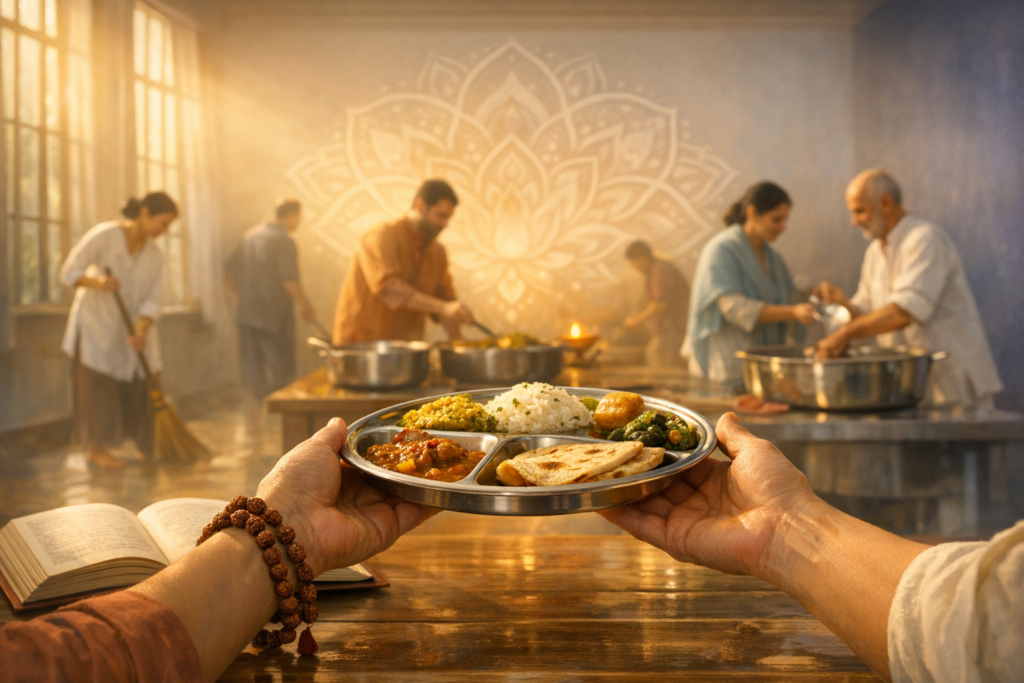
In Hyderabad’s diverse spiritual landscape, the Brahmotsavams draw families, students, elders, and volunteers who experience the festival as both a cultural landmark and a deeply personal encounter with the divine. Many devotees describe the ambience as serene yet uplifting—where the cadence of mantras, the fragrance of flowers, and the sight of decorated vahanas together nurture faith, gratitude, and inner composure.
Aligned with the inclusive ethos of the dharmic traditions, the Brahmotsavams invite a spirit of unity and shared values—reverence, non-violence, discipline, and compassion—cherished across Hinduism, Buddhism, Jainism, and Sikhism. The festival’s emphasis on seva and collective welfare encourages respectful participation and mutual understanding, reinforcing harmony within the broader dharmic community.
Visitors are advised to plan early for darshan, make note of peak hours, and confirm detailed seva timings and procession routes with the temple administration closer to the event. Simple preparations—such as arriving ahead of scheduled rituals and using public transport where feasible—can enhance the experience while supporting smooth crowd management.
Together, these observances render the Jubilee Hills Sri Venkateswara Brahmotsavams 2026 an inspiring convergence of ritual excellence and community devotion, offering devotees an opportunity to engage in reflective worship, deepen cultural memory, and participate in a festival that celebrates unity within the shared fabric of dharma.
Inspired by this post on Hindu Pad.