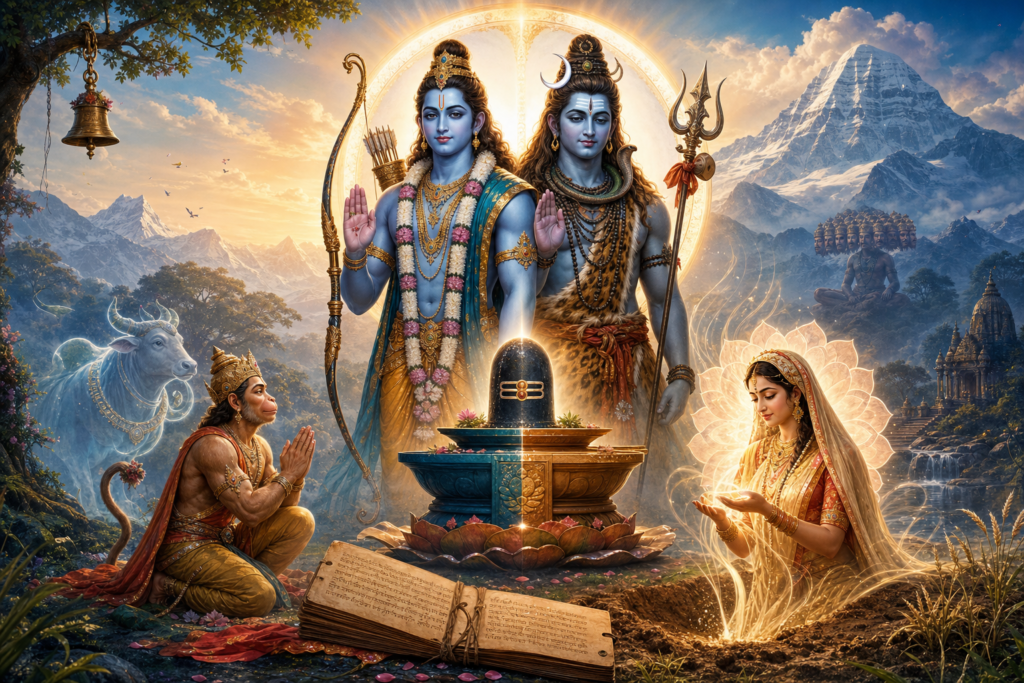
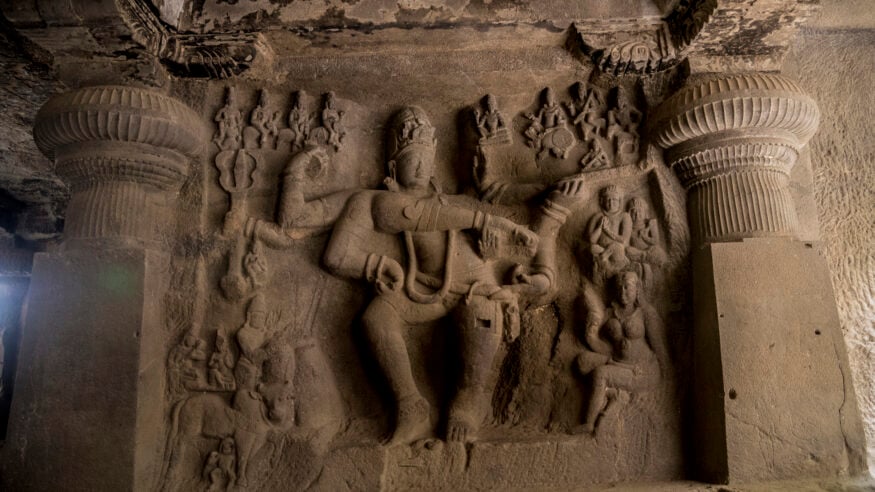
Rudraksha mala stands as a revered symbol of Lord Shiva and a practical tool for mantra japa, meditation, and mindful living across the dharmic traditions of Hinduism, Buddhism, Jainism, and Sikhism. The term “Rudraksha” is traditionally derived from Rudra (a name of Shiva) and aksha (tears), reflecting a sacred origin and a centuries-long association with protection, discipline, and inner clarity.
In daily sadhana, a Rudraksha mala helps cultivate one-pointed attention, rhythm in breath, and steady mantra repetition. Many practitioners report a felt sense of calm when the beads pass gently through the fingers, indicating how tactile focus supports mental stillness. Classical sources, including the Shiva Purana, praise Rudraksha for sanctity and restraint, while lived practice affirms its utility for focus, devotion, and ethical composure.
Beyond its devotional aura, the mala serves as a counting framework: typically 108 beads plus a meru (guru) bead. This structure anchors consistent practice, whether reciting Om Namah Shivaya, the Gayatri mantra, the Buddha’s name, a Jain navakar mantra, or Sikh simran. While Rudraksha is strongly associated with Lord Shiva, the shared discipline of mala-based japa underscores unity in spiritual diversity across dharmic paths.
Types of Rudraksha are commonly identified by mukhi (the number of natural facets on each bead). Panchmukhi (five-faced) Rudraksha is widely recommended for daily use and beginners, balancing accessibility with traditional acceptance. Ekmukhi (one-faced) is exceptionally rare and highly venerated in lore. Other formssuch as Gauri Shankar (naturally conjoined beads) and Ganesh (with a trunk-like protrusion)carry specific symbolic associations in devotional contexts.
A concise orientation to mukhi-based meanings found in traditional discourse can guide selection: 1-mukhi is linked with non-dual awareness and is considered rare; 2- and 3-mukhi are associated with harmony and energetic balance; 4- and 5-mukhi support learning, stability, and steady japa; 6- to 9-mukhi are connected with courage, discipline, and protection motifs; higher mukhi counts (10–14 and above) carry specialized associations preserved in temple and lineage traditions. While such mappings are devotional and symbolic, they offer meaningful frameworks for personal practice.
Choosing a mala benefits from attention to authenticity and comfort. Natural Rudraksha typically shows clear mukhi lines and a central channel. Beads from Nepal and Indonesia (Java) differ subtly in size and texture, yet both are respected in practice. A 108+1 configuration, knots between beads, and natural thread (cotton or silk) or durable wire are common. Selecting a bead size that feels comfortable to roll enhances sustained practice.
Use conventionally begins at the bead next to the meru, proceeding bead by bead without crossing the meru; instead, the mala is turned to continue in the opposite direction. Many traditions advise avoiding the index finger during counting, using the thumb and middle finger instead; this etiquette supports mindful touch and continuity. The pace of japa aligns with unforced breathing, allowing mantra, breath, and attention to harmonize.
Care practices are simple and respectful. Gentle cleaning in water, thorough drying, and occasional application of a light natural oil help preserve the beads. Storing the mala in a clean cloth near a shrine or a quiet space supports a contemplative association. Periodic recitationsuch as Om Namah Shivayaserves as both devotion and discipline, renewing the mala’s role in sadhana.
Safety and discernment matter. Rudraksha mala is a spiritual aid, not a medical device; no health outcomes should be assumed. Authenticity can be best assured by sourcing from knowledgeable, ethical sellers and by consulting experienced practitioners. When in doubt, prioritize the quality of practicesteadiness of japa and sincerity of intentionover rarity or complexity of beads.
The shared discipline of mala practice bridges dharmic lineages. Buddhist, Jain, Sikh, and Hindu practitioners may use different mantras or materials, yet the core aimsethical clarity, attention, and compassionare fundamentally aligned. This common ground honors plural paths while celebrating a unifying pursuit of inner transformation.
In contemporary life, a Rudraksha mala offers both symbolic and practical value: it anchors a daily rhythm of remembrance, supports focused meditation, and carries forward an ancient pedagogy of self-cultivation. Whether chosen for devotion to Lord Shiva or for universal meditative discipline, it remains a time-tested companion for mindful, compassionate living.
Inspired by this post on Hindu Pad.