Karnaprayag in Uttarakhand stands as a revered spiritual landscape within the Chamoli district, celebrated as one of the Panch Prayagfive sacred confluences of the Alaknanda. At this meeting point of the Alaknanda and Pindar rivers, the power of Himalayan waters and the sanctity of living tradition converge, offering pilgrims and learners a compelling study in sacred geography, cultural memory, and ritual practice.
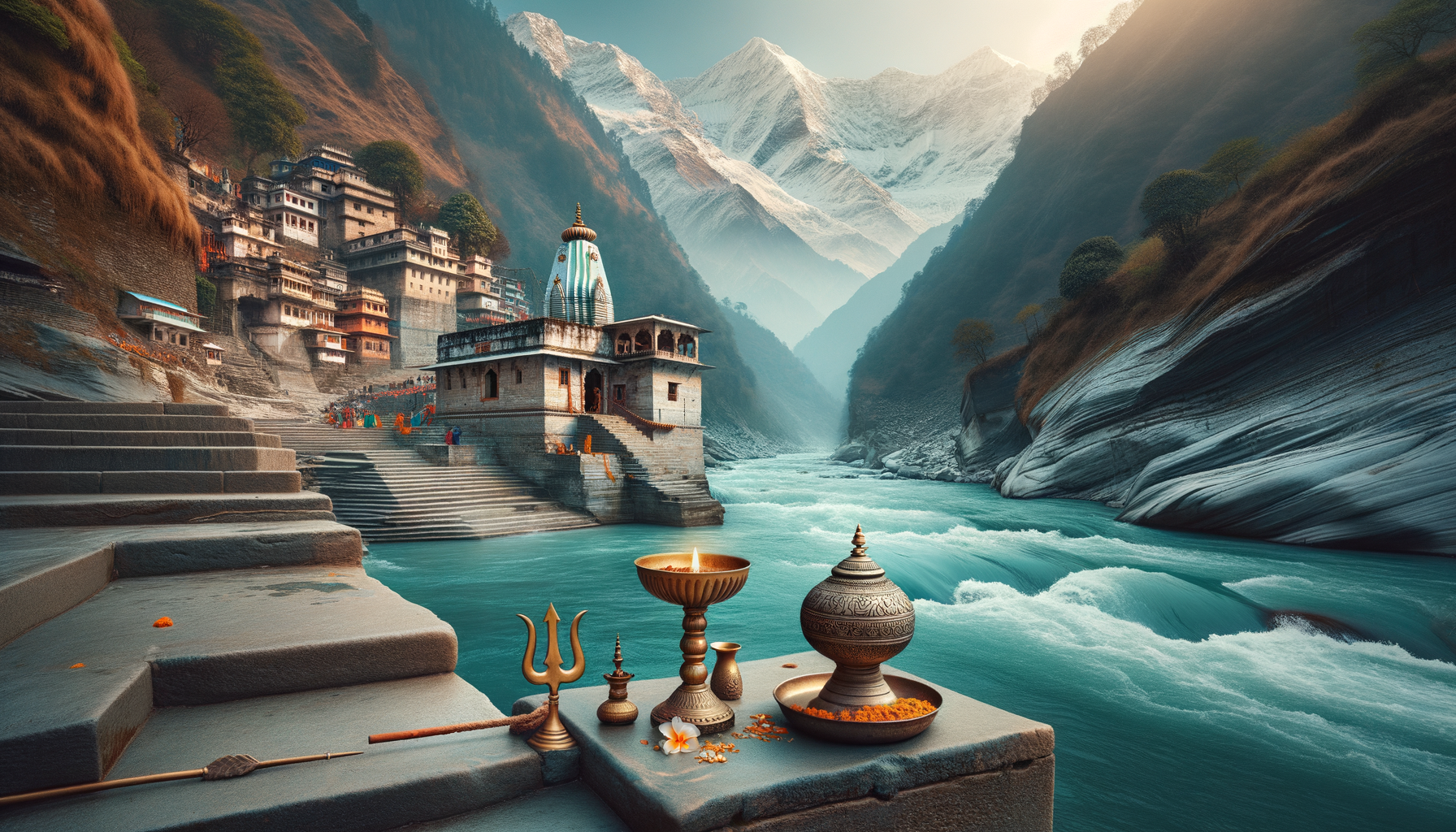
Geographically, Karnaprayag marks the precise confluence where the swift Pindar merges into the Alaknanda, forming a soundscape of flowing currents that many visitors describe as meditative. Surrounded by majestic Himalayan peaks and snow-clad ranges, the site presents a natural amphitheater where the riverbanks, ghats, and temples articulate a continuum between nature and worship.
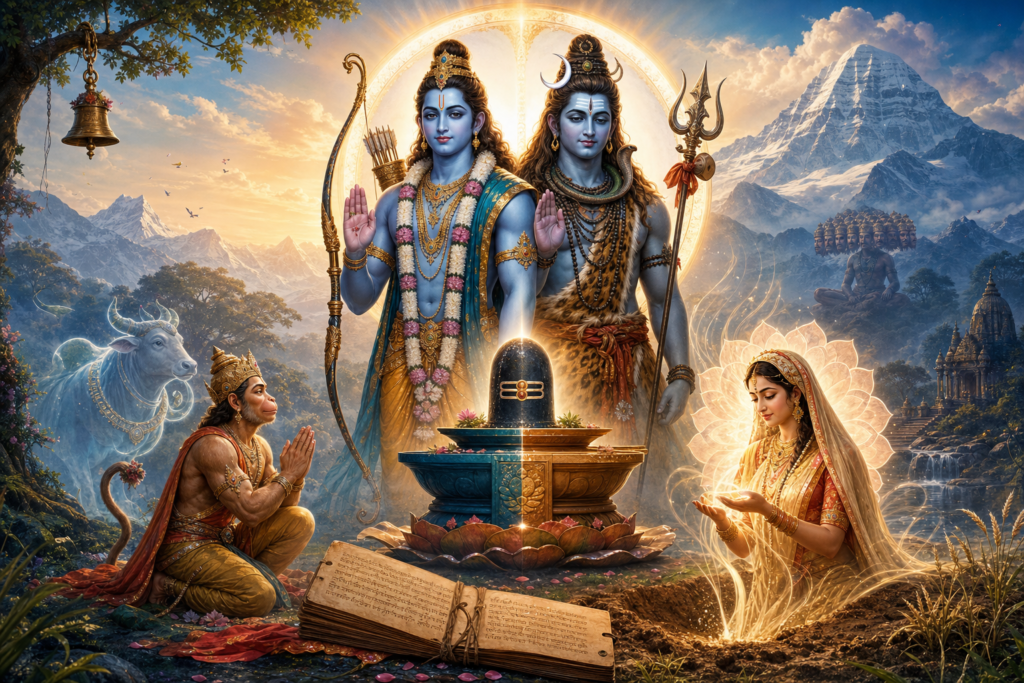
Historically and mythologically, local tradition associates Karnaprayag with Karna of the Mahabharata, whose virtues of courage, generosity (dāna), and steadfast duty shape the cultural imagination of the place. The toponym itself evokes Karna’s legacy, and the confluence is often interpreted as a reminder that ethical strength and compassion can coexistan insight that resonates across dharmic traditions.
Temples and shrines near the confluenceespecially those honoring Karna and Uma-Maheshwariform the devotional heart of the settlement. Ritual rhythms here include daily worship, seasonal observances, and evening ārtī, during which the river’s reflective surface and resonant bells create an atmosphere that pilgrims describe as both intimate and awe-inspiring. These practices, while rooted in Hindu traditions, embody valuesreverence, restraint, and servicethat are honored across Buddhism, Jainism, and Sikhism.
As part of the Panch PrayagDevprayag, Rudraprayag, Nandprayag, Karnaprayag, and Vishnuprayagthe site is often included in broader Himalayan pilgrimage and heritage circuits. This sequence not only traces the hydrology of the Alaknanda but also maps a cultural journey through temples, stories, and rituals that collectively preserve living memory and regional identity.
The spiritual significance of Karnaprayag can be read through the metaphor of confluence itself: just as rivers unite, so do paths of contemplation, scholarship, and service. In this frame, virtues celebrated in dharmic traditionscompassion, ethical restraint, truthful speech, and sevafind shared expression. Visitors frequently note that the site encourages reflective questions as much as it inspires devotional acts, making it a meaningful stop for both practitioners and researchers.
Many travelers describe relatable, sensory moments that shape their understanding: the cool breeze rising from the water, the quiet pause before a prayer, the sight of lamps floating downstream during ārtī, and the steady rhythm of footsteps on the ghats. Such experiences, while personal, collectively underscore a scholarly pointembodied practice and place-based memory are central to how communities sustain faith and transmit heritage.
Preservation of Karnaprayag’s sanctity depends on thoughtful engagement: observing local customs at the ghats and temples, maintaining ecological care along the riverbanks, and approaching the confluence with the humility appropriate to a living sacred site. In doing so, visitors contribute to a shared cultural ethos that honors the Himalaya, protects the rivers, and upholds unity among dharmic traditions.
Inspired by this post on Hindu Blog.