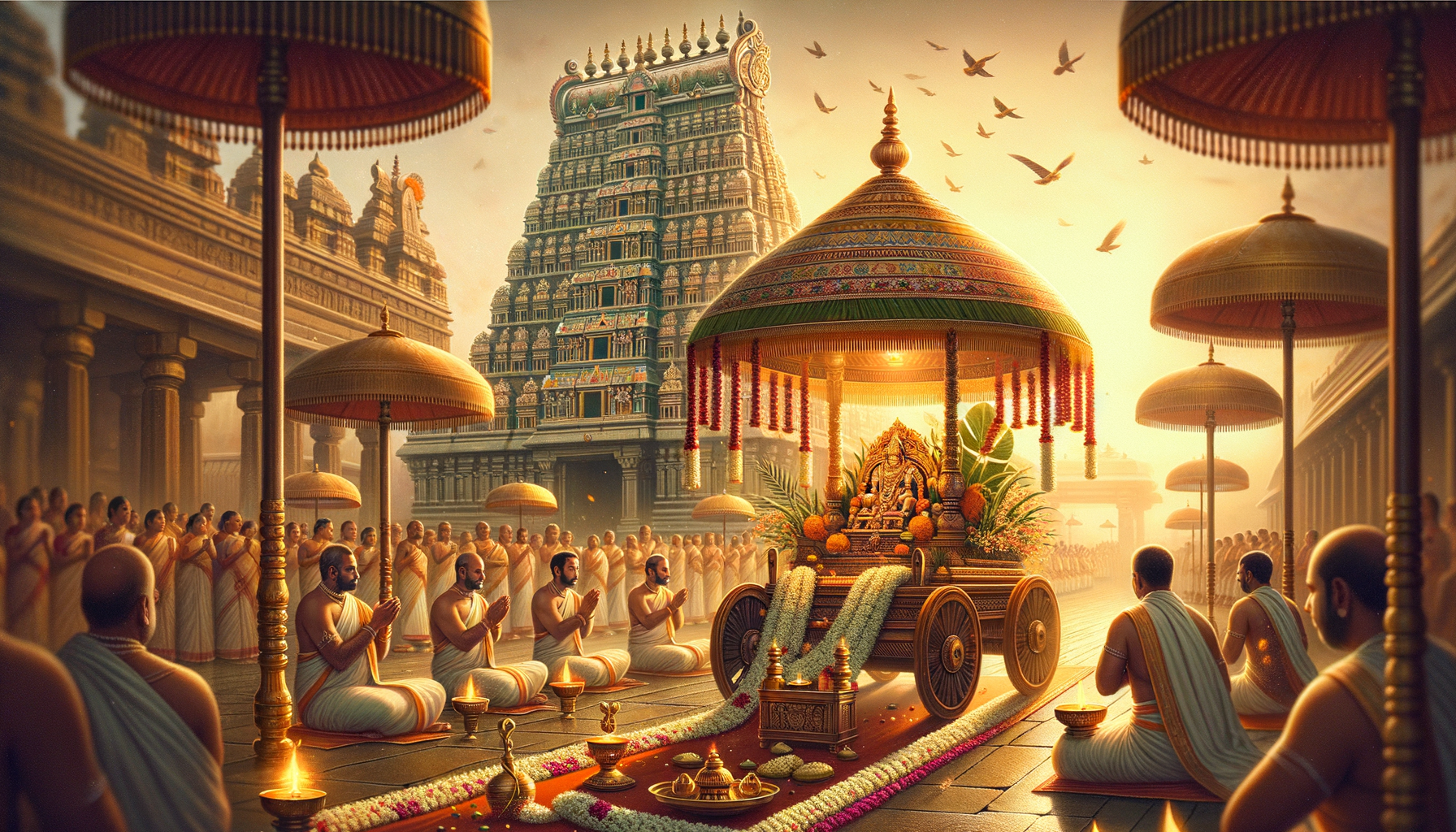
The Annual Brahmotsavams of Sri Kalyana Venkateswara Swamy Temple at Srinivasa Mangapuram are scheduled from February 8 to 16, 2026. As a prominent Tirupati-area temple administered by Tirumala Tirupati Devasthanam (TTD), this Brahmotsavam draws devotees seeking a serene darshan and the blessings of Kalyana Venkateswara, whose divine grace is traditionally associated with auspicious new beginnings and family well-being.
The festival proceedings commence with Ankurarpanam on the evening of February 7, 2026, marking the ritual sowing of sacred seeds and invoking auspiciousness for the festivities. Prior to the Brahmotsavam, Koil Alwar Thirumanjanam will be observed on February 5, 2026, from 6:30 AM to 11:00 AM. Following these temple purificatory rites, darshan is permitted in accordance with temple and TTD schedules, facilitating orderly and devotional participation.
Koil Alwar Thirumanjanam, a comprehensive sanctification of the sanctum and associated spaces, underscores the temple’s emphasis on ritual purity and collective seva. Ankurarpanam, with its symbolism of growth and renewal, sets a contemplative tone for the days ahead. Together, these rituals frame the Brahmotsavam as both a communal and deeply personal spiritual journey.
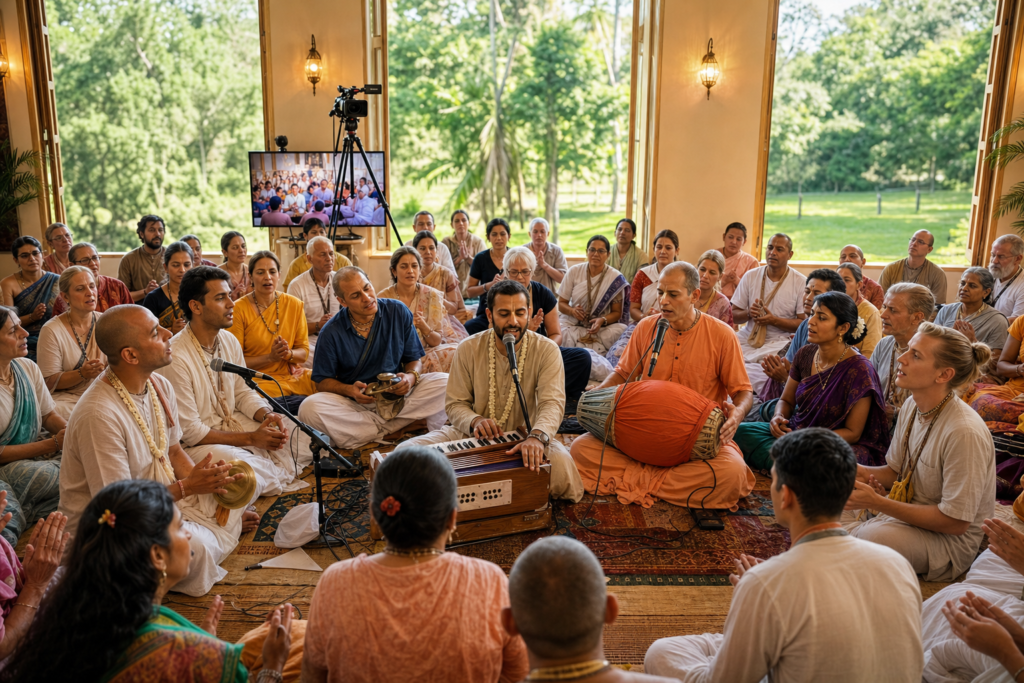
Devotees consistently describe the atmosphere at Srinivasa Mangapuram during Brahmotsavam as uplifting and orderly, with devotional music, disciplined queues, and a palpable sense of gratitude. Families often plan visits to experience the daily sevas, the temple’s tranquil precincts, and the dignity of traditional observances that connect generations through shared worship.
For those planning a pilgrimage, attention to TTD advisories, local travel arrangements in the Tirupati region, and standard temple etiquette helps ensure a smooth and meaningful darshan. Observing the timings around Koil Alwar Thirumanjanam and Ankurarpanam supports an unhurried, reflective experience, particularly for elders and children.
The spiritual ethos of this Brahmotsavam resonates with the wider dharmic traditions shared across Hinduism, Buddhism, Jainism, and Sikhismvalues of discipline, compassion, service, and peaceful coexistence. The festival’s emphasis on purity, devotion, and community welfare reflects an inclusive cultural fabric that honors diverse paths while celebrating a common pursuit of inner harmony.
With its clear scheduleKoil Alwar Thirumanjanam on February 5 (6:30 AM–11:00 AM), Ankurarpanam on February 7 evening, and the Brahmotsavams from February 8–16, 2026the Kalyana Venkateswara Swamy Temple at Srinivasa Mangapuram offers a well-organized and spiritually enriching occasion. The pilgrimage experience, framed by sacred ritual and cultural continuity, invites devotees to engage with tradition in a calm, contemplative way.
Inspired by this post on Hindu Pad.