The enduring intuition that everything happens for a reason finds rigorous articulation within Hindu philosophy through the interrelated frameworks of karma (action and consequence), dharma (righteous duty), and lila (the divine play of the cosmos). Together, these concepts suggest that life’s eventsjoyous or challengingare not random but participate in a larger moral and spiritual order, reinforcing the interconnectedness of all beings and choices.
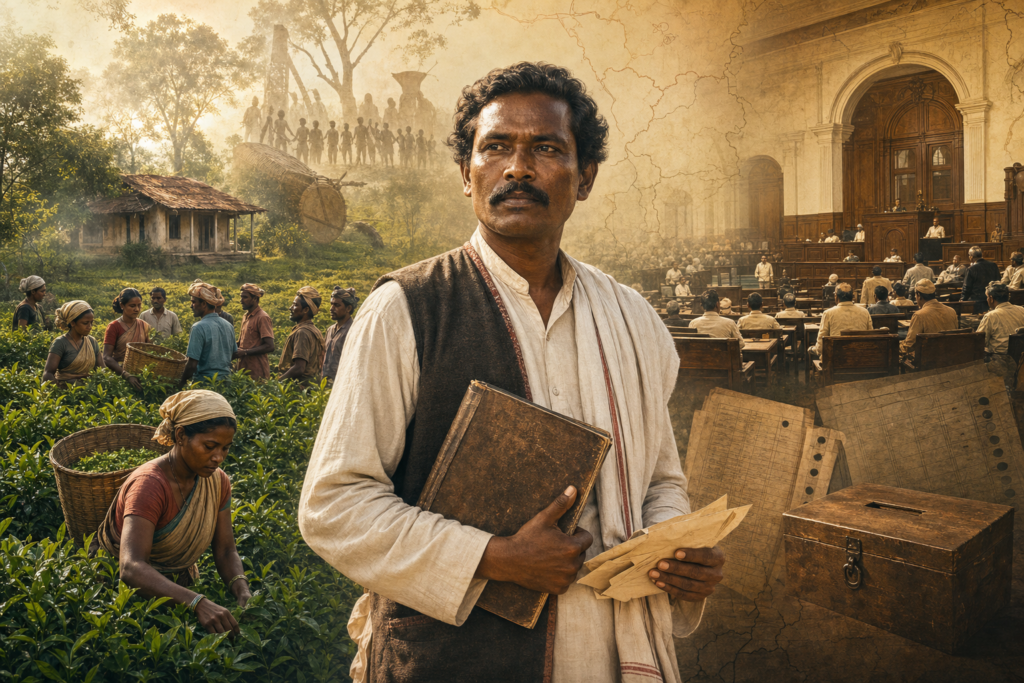
In this perspective, karma functions as a law of ethical causality, where intentions, words, and deeds generate outcomes that shape one’s experience over time. Rather than a punitive mechanism, karma encourages accountability and compassion: actions aligned with care, truthfulness, and restraint tend to harmonize experience, while harmful intentions disturb it. This ethical continuity empowers individuals to act wisely in the present to reshape future possibilities.
Dharma, meanwhile, illuminates the path of right action in contextone’s responsibilities to self, family, society, and the environment, evolving with stage of life and circumstance. It offers a compass rather than a single rulebook. Attending to dharma enables clarity amid uncertainty, inviting choices that sustain fairness, duty, and well-being. Through dharma, the notion that events have meaning becomes a call to respond skillfully and ethically to whatever arises.
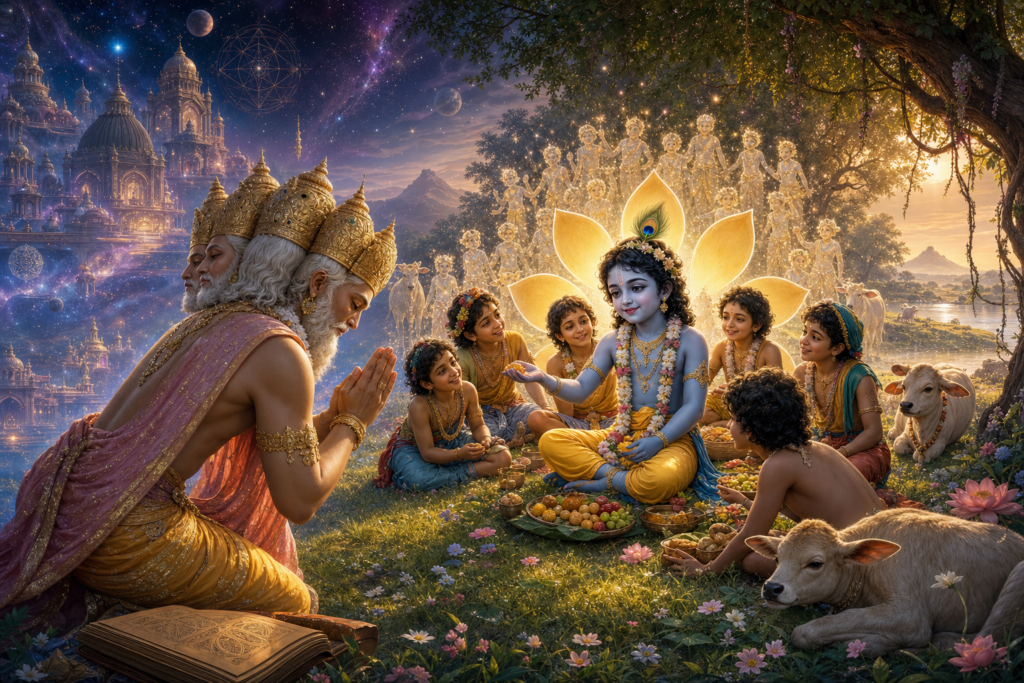
Lila introduces a complementary insight: the universe also unfolds as divine play, reminding seekers to temper certainty with humility and wonder. Lila does not negate responsibility; rather, it guards against rigid determinism and opens space for creativity, gratitude, and resilience. It invites the recognition that even in ordered causality, mystery and grace can surprise and uplift.
Taken together, karma, dharma, and lila articulate meaningful order without collapsing into fatalism. Choice and consequence matter, yet outcomes are not always linearly predictable. Hindu philosophy holds this nuance across its traditions and texts, including the Bhagavad Gita’s emphasis on acting according to dharma while releasing attachment to results. The result is a balanced vision: ethical agency within a vast, interdependent cosmos.
In lived experience, this framework often transforms adversity into insight. A professional setback can redirect attention toward more authentic vocations; illness may deepen empathy and spiritual practice; small, consistent acts of kindness quietly alter the fabric of community. Such reflections do not romanticize pain; rather, they situate it within an intelligible moral universe, encouraging steady, compassionate action.
Psychologically and ethically, many find that this outlook offers both solace and agency. Recognizing patterns of cause and effect builds responsibility without self-blame, and acknowledging lila nurtures gratitude and perspective. The conviction that life unfolds within a meaningful order supports emotional resilience, especially when paired with practices such as mindfulness, prayer, and self-inquiry.
This vision resonates across dharmic traditions, strengthening unity in spiritual diversity. In Buddhism, dependent origination and karma highlight interdependence and ethical continuity. Jainism’s detailed karma theory and ahimsa emphasize rigorous responsibility and nonviolence. Sikh thought often centers hukam (divine order) and seva (selfless service) as ways to live in harmony with cosmic law. Across these paths, a shared commitment to compassion, truthfulness, and self-discipline affirms a common ethical horizon.
Practically, the insight that everything happens for a reason becomes a guide to live consciously: cultivate viveka (discernment) before acting; align with svadharma through honest assessment of one’s capacities; strengthen compassion via seva; and refine intention through meditation and gratitude. Such practices integrate responsibility (karma), purpose (dharma), and openness to grace (lila) in daily life.
Ultimately, the Hindu philosophy of karma, dharma, and lila reframes life’s unpredictability as an invitation to ethical clarity and spiritual depth. By honoring both causality and mystery, and by recognizing the shared wisdom of Hinduism, Buddhism, Jainism, and Sikhism, this perspective nurtures unity, purpose, and hope within a profoundly interconnected world.
Inspired by this post on Hindu Blog.