Pratyahara occupies a pivotal place in Hinduism’s Yoga philosophy as the fifth limb of Patanjali’s Ashtanga Yoga. It serves as a disciplined method of sensory withdrawal, guiding the indriyas (senses) away from external objects toward interior stillness. In this role, pratyahara forms the crucial bridge between the outward-facing practices of yama, niyama, asana, and pranayama, and the inward disciplines of dharana, dhyana, and samadhi.
Conceptually, pratyahara is not suppression of experience but a refined reorientation of attention. Rather than reacting to every stimulus, the practitioner learns to modulate sensory engagement, allowing awareness to return to its source. This redirection stabilizes the mind-body connection and creates the conditions for sustained concentration and meditation in the broader framework of Hindu spiritual practice.
Within the sequence of Ashtanga Yoga, pranayama calms the fluctuations of prana; as the breath steadies, the senses naturally begin to recede from their habitual objects. Pratyahara thus emerges organically: once the sensory currents quiet, dharana (one-pointed focus) becomes possible, and dhyana (meditation) can deepen without constant interruption from external or internal distractions.
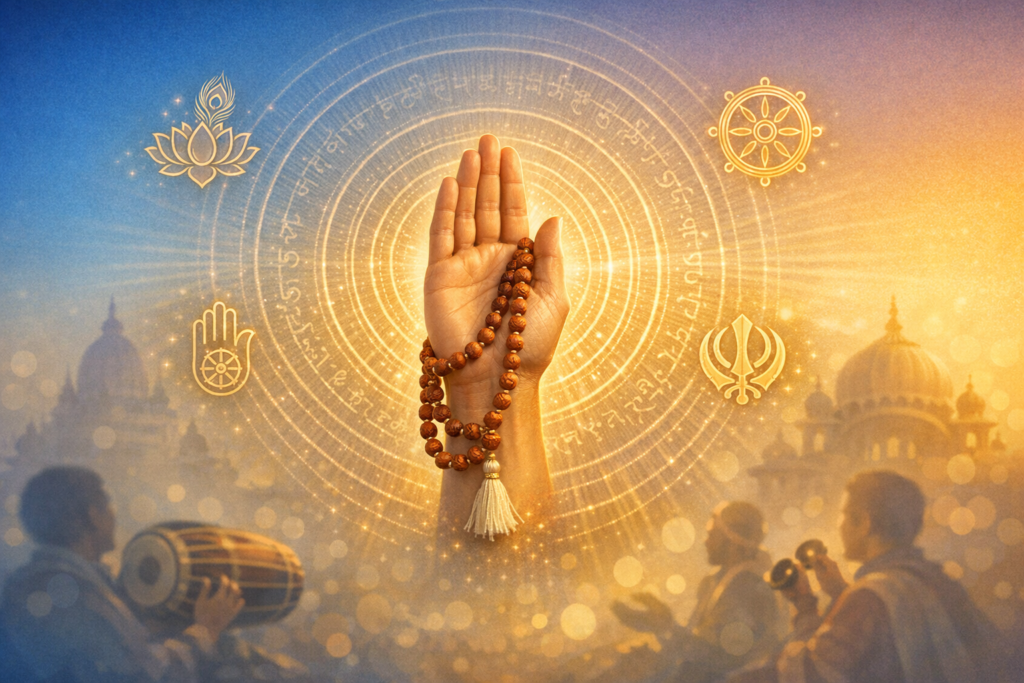
The ideal resonates across dharmic traditions. Buddhism emphasizes indriya-saṃvara (sense restraint) to cultivate clarity; Jainism upholds gupti and samiti (restraints and carefulness) for ethical and mental purification; Sikh practice centers on simran and sehaj (remembrance and equipoise) to steady attention. While vocabulary and methods differ, the shared thread is evident: mastery over sensory reactivity fosters inner freedom and compassion, strengthening unity among dharmic pathways.
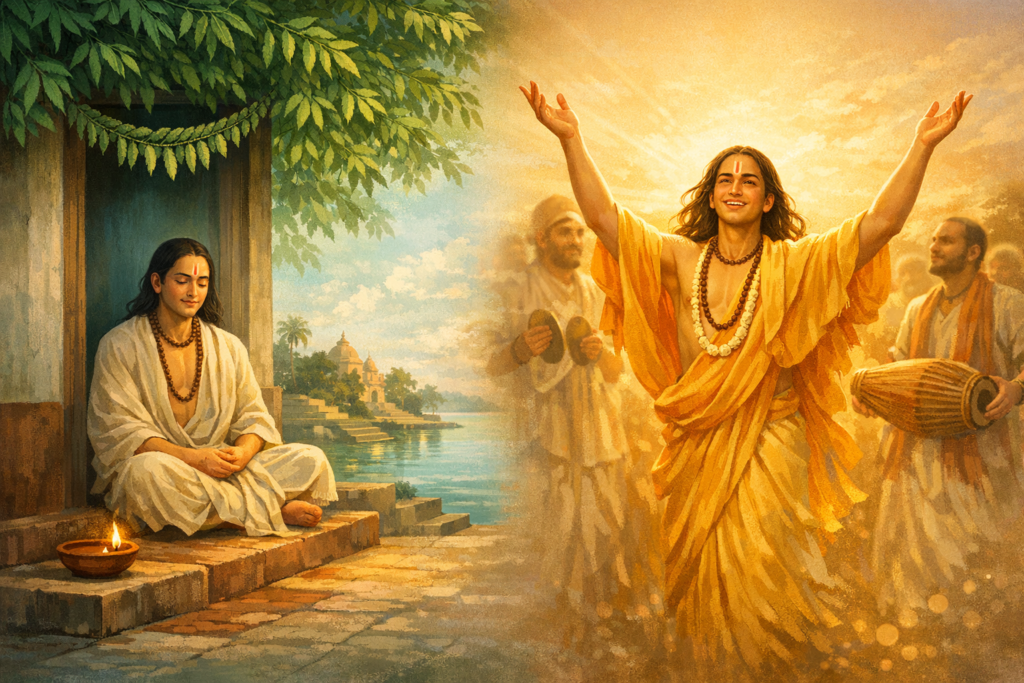
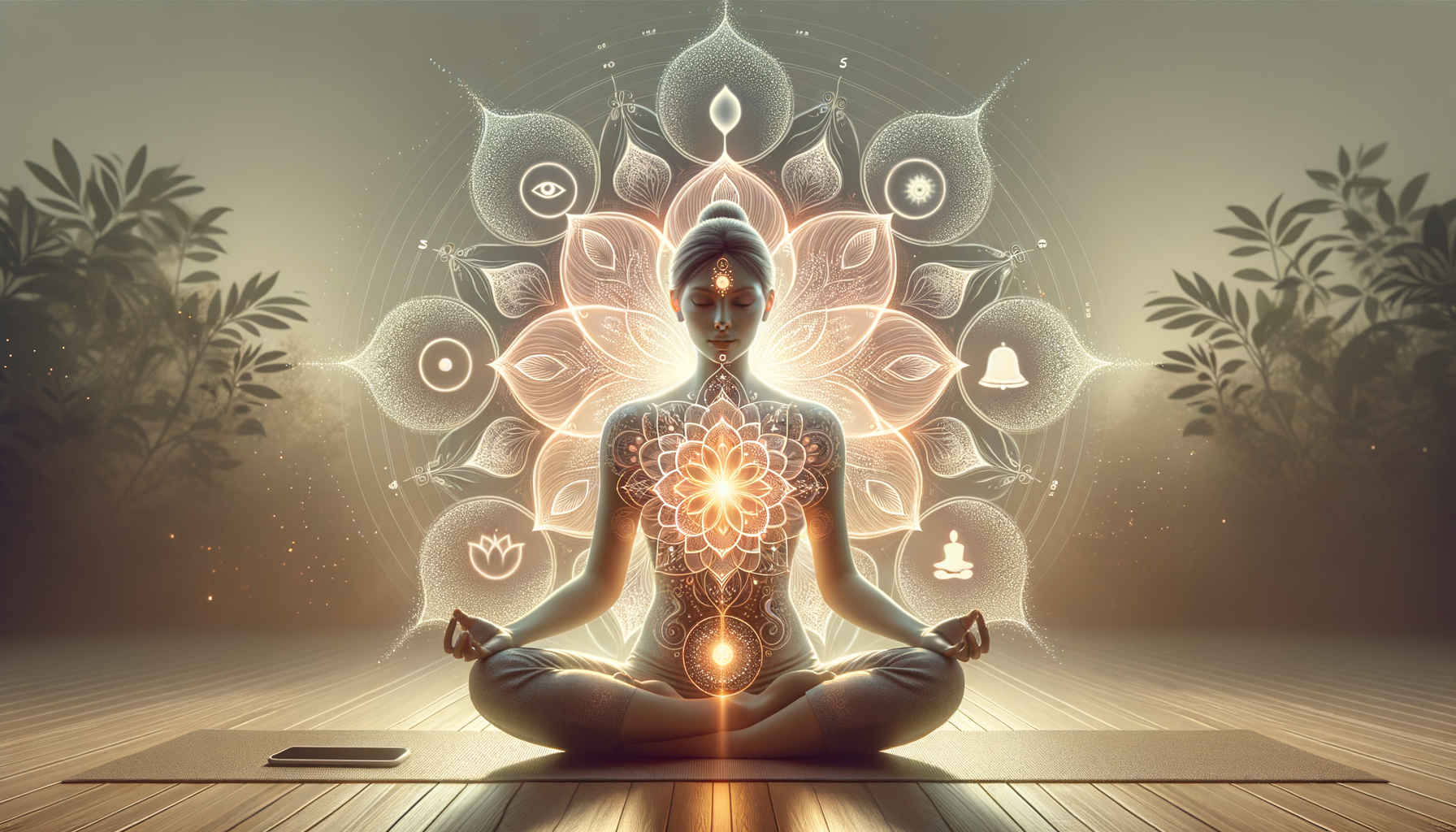
In lived practice, pratyahara can be cultivated through breath-led withdrawal. After a few minutes of gentle pranayama, attention rests on the exhale; as awareness follows the breath inward, sounds, sights, and sensations are acknowledged without pursuit. Many practitioners report that this simple shift de-intensifies stimuli, reducing the compulsion to react and preparing the mind for meditation.
Traditional techniques complement the breath. Shanmukhi mudra (gently closing the sensory gates) can encourage introspection when used judiciously. The broader idea of ahara (intake) extends beyond food to media and conversation; refining what enters the senses supports pratyahara as effectively as time on the cushion. In contemporary settings, a conscious reduction of digital notifications functions as a modern vrata (observance) that protects attention.
Pratyahara is practical throughout the day. Before work, two minutes of seated stillness with the eyes at half gaze can center the mind. During a commute, intentional breath counting softens reactivity. Before sleep, a short interval of breath awareness and body scan allows the senses to settle, often improving sleep quality and next-day focus.
Early stages commonly present resistance: the mind may chase sounds, images, or worries. This is expected. Gradual training—short, consistent sessions—builds capacity. Observationally, as sensory craving eases, subtle perception increases; sensitivity becomes more refined, not dulled, revealing pratyahara as a discipline of discernment rather than denial.
The benefits are multi-layered. Emotionally, pratyahara reduces stimulus-bound reactivity and supports resilience. Cognitively, it enhances sustained attention and one-pointedness vital for dharana and dhyana. Ethically, it reinforces yama and niyama by creating space between impulse and action, encouraging compassionate and thoughtful conduct aligned with dharma.
Common misconceptions deserve correction. Pratyahara is not escapism, nor a rejection of the world. It is a training in freedom—freedom from compulsion—so engagement can be thoughtful, skillful, and kind. Far from dulling the senses, the practice clarifies them, enabling more accurate perception and balanced response.
In an age of constant stimulation, pratyahara offers a research-aligned antidote: structured attentional rest. Professionals, students, and caregivers alike can adopt brief daily practices to restore clarity. When coupled with pranayama and followed by dhyana, the discipline contributes to long-term well-being, concentration, and equanimity consistent with Hinduism’s yogic framework.
A concise protocol illustrates the progression. Begin with a comfortable seat and steady, natural breathing for one to two minutes. Introduce gentle lengthening of the exhale to quiet the nervous system. Allow sounds and sensations to arise without evaluation, letting attention return to the breath. After three to five minutes, rest in the felt sense of inwardness for a final minute. Close with a simple intention of kindness before moving into dharana or daily activity.
Guidance from a competent Guru or experienced teacher can refine alignment, breath patterns, and pacing. Nevertheless, consistent, self-observant practice remains the foundation. Over time, pratyahara matures from technique to trait—the mind learns to dwell inwardly even amid activity, supporting a life of clarity, compassion, and contemplative depth.
Pratyahara thus exemplifies the integrative spirit of Hindu spirituality and its kinship with other dharmic traditions. By harmonizing sensory life with inner awareness, it empowers practitioners to participate in the world with steadiness and care, advancing unity, insight, and peace across diverse paths of Yoga and meditation.
Inspired by this post on Hindu Blog.