Goda Kalyanam 2026: Divine Wedding of Sri Godadevi and Sri Ranganatha in Dhanurmasam
·2 min read
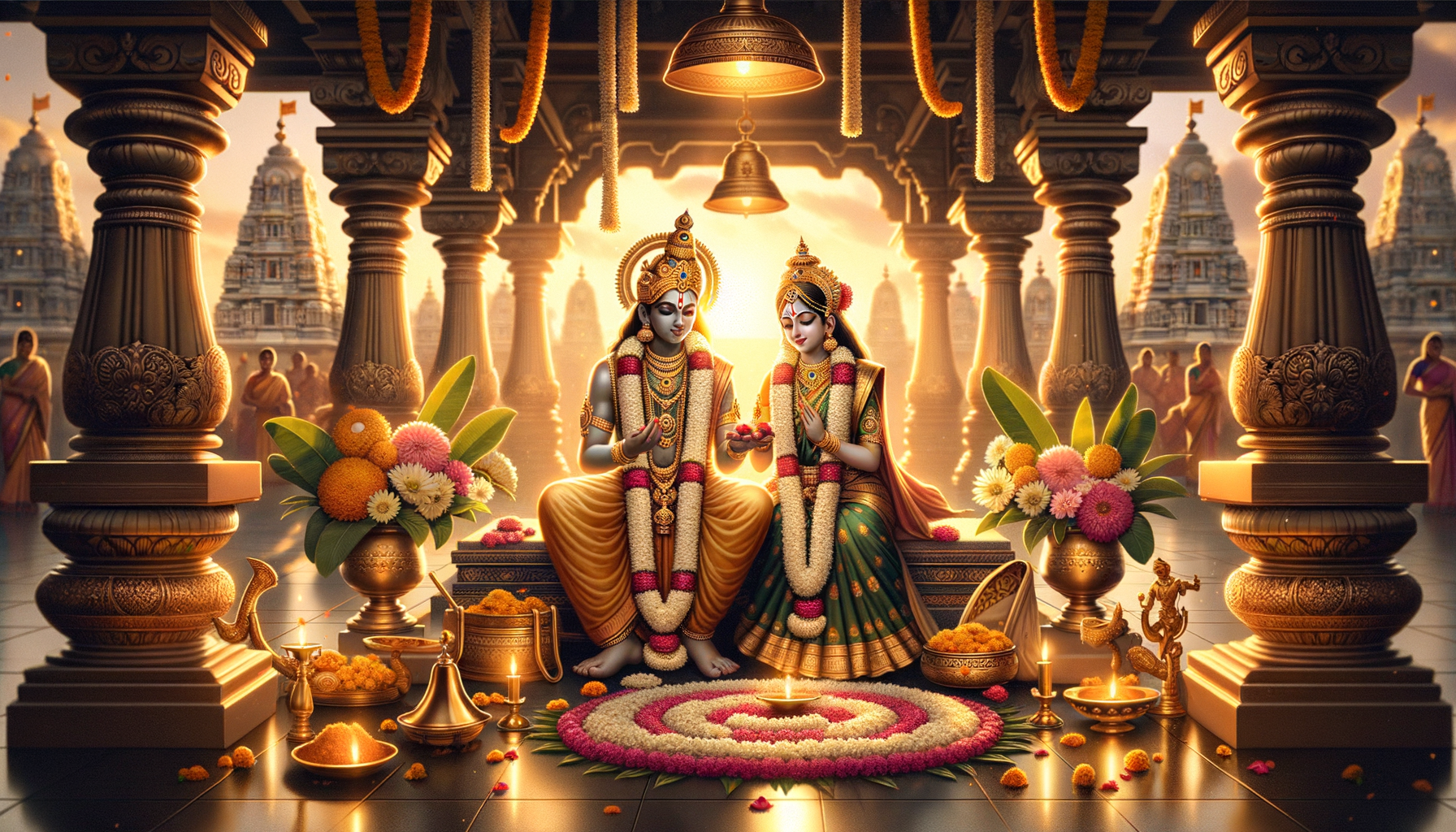
Goda Kalyanam (Sri Godadevi Kalyanotsavam) stands as a cherished Vaishnava tradition observed during Dhanurmasam in temples across the world. In 2026, the kalyanotsavam is observed on January 13, aligning with the concluding day of Dhanurmasam and ushering in the auspicious transition toward Makara Sankranti. The ceremony honors the sacred wedding of Sri Goda Devi (Andal) and Sri Ranganatha Swamy, symbolizing divine grace, devotion, and the triumph of dharma through loving surrender (bhakti).
Traditionally, Goda Kalyanam is performed on the last day of Dhanurmasam (Margazhi/Margasirsha), a month revered for early-morning worship, Tiruppavai recitation, and contemplative discipline. The kalyanotsavam marks the culmination of these daily observances, with special pujas and alankarams highlighting the grandeur of Sri Godadevi Kalyanotsavam and its deep spiritual promise for devotees and communities.
Across Vaishnava temples, the day is distinguished by pre-dawn aradhana, Tiruppavai parayanam, veda ghosha, and the joyous exchange of garlands, followed by mangalashtaka and distribution of prasadam. Many devotees describe the serene atmosphere of the morningfragrance of tulasi leaves, resonant temple bells, and the cadence of sacred hymnsas a lived experience of grace. These shared moments reinforce family bonds and communal harmony, allowing participants to internalize the ideals that Andal extols through devotion, humility, and steadfast love for Sri Ranganatha.
The theological symbolism of the wedding emphasizes the union of jiva with Ishvara, inviting a renewal of vows toward ethical living, compassion, and service (seva). In this sense, the celebration resonates with dharmic values cherished across Hinduism, Buddhism, Jainism, and Sikhismself-discipline, reverence for truth, and community welfareoffering a unifying cultural ethos that nurtures mutual respect within the broader dharmic family.
For 2026, devotees may consult local temple schedules for the precise kalyanotsavam timings on January 13, participate in Tiruppavai recitation, and offer flowers, tulasi, and naivedyam in an eco-conscious manner. Those unable to attend in person may observe the pre-dawn prayer discipline at home, listen to devotional compositions on Andal and Sri Ranganatha, and reflect on the month-long practices of Dhanurmasam as a pathway to inner clarity and auspiciousness.
Observed as Goda Kalyanam 2026 in Vaishnava temples worldwide, this Sri Godadevi Kalyanotsavam affirms the spiritual fruits of Dhanurmasam and prepares households for the festive transition toward Makara Sankranti. Its academic and cultural significance lies not only in liturgical detail, but in the living continuity of devotion that strengthens communities through shared ritual, study, and seva.
Goda Kalyanam 2026 is observed on January 13, 2026. The post describes it as aligning with the concluding day of Dhanurmasam and the transition toward Makara Sankranti.
What does Goda Kalyanam symbolize?
The ceremony honors the sacred wedding of Sri Goda Devi, also known as Andal, and Sri Ranganatha Swamy. Its symbolism centers on divine grace, devotion, loving surrender, and the union of jiva with Ishvara.
How do Vaishnava temples observe Sri Godadevi Kalyanotsavam?
The post describes pre-dawn aradhana, Tiruppavai parayanam, veda ghosha, special pujas, alankarams, garland exchange, mangalashtaka, and prasadam distribution. These shared rituals are presented as a way to strengthen devotion, family bonds, and communal harmony.
How can devotees participate in Goda Kalyanam 2026 at home?
Devotees who cannot attend a temple may observe pre-dawn prayer discipline at home, listen to devotional compositions on Andal and Sri Ranganatha, and reflect on Dhanurmasam practices. The article also suggests Tiruppavai recitation and eco-conscious offerings of flowers, tulasi, and naivedyam.
Why is Dhanurmasam important for Goda Kalyanam?
Dhanurmasam, also called Margazhi or Margasirsha, is described as a month of early-morning worship, Tiruppavai recitation, and contemplative discipline. Goda Kalyanam marks the culmination of these daily observances.
What values does the festival emphasize?
The article connects Goda Kalyanam with bhakti, humility, self-discipline, truth, compassion, and seva. It presents the celebration as a living tradition that supports ethical living, community welfare, and mutual respect within the broader dharmic family.