In the quiet village of Vadakkampatti, situated in Thirumangalam taluk of Madurai district, Tamil Nadu, the Muniyandi Swami temple sustains a remarkable living tradition: the annual distribution of Mutton Biryani Prasadam. For nearly ninety years, this temple festival has woven together devotion, food, and community care, offering a window into the depth and diversity of Tamil temple culture.
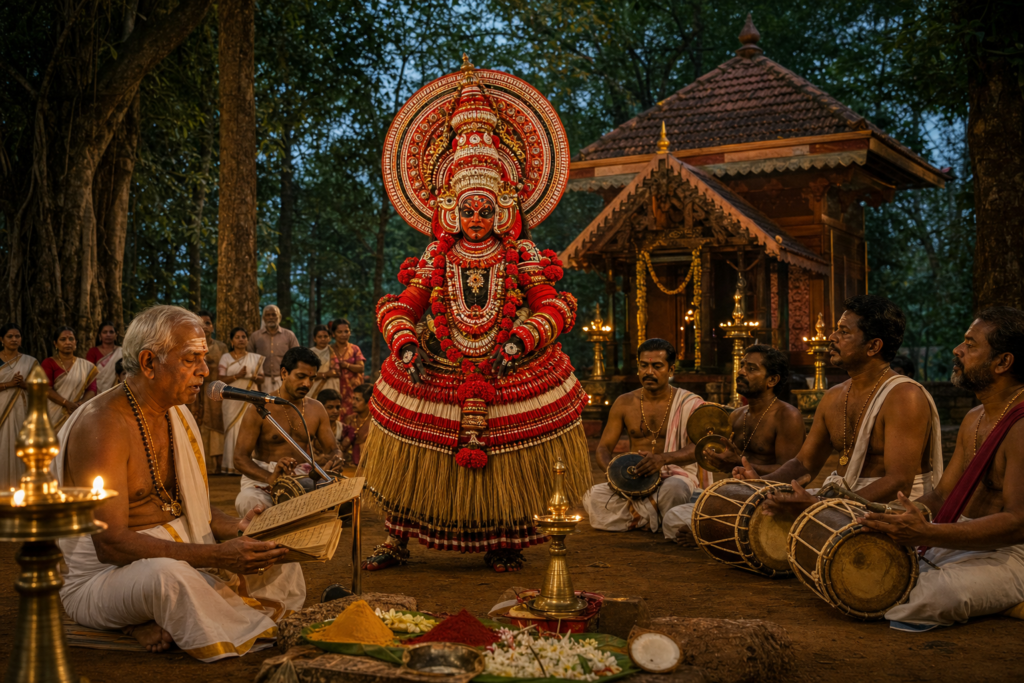
Held in the third week of January, often aligning with the Pongal season, the celebration centers on a sacred offering in which mutton biryani is prepared as prasadam and respectfully distributed to devotees and visitors. This practice reflects a local expression of bhakti and annadanam, where nourishment is understood not merely as sustenance but as a sanctified connection between the divine and the community.
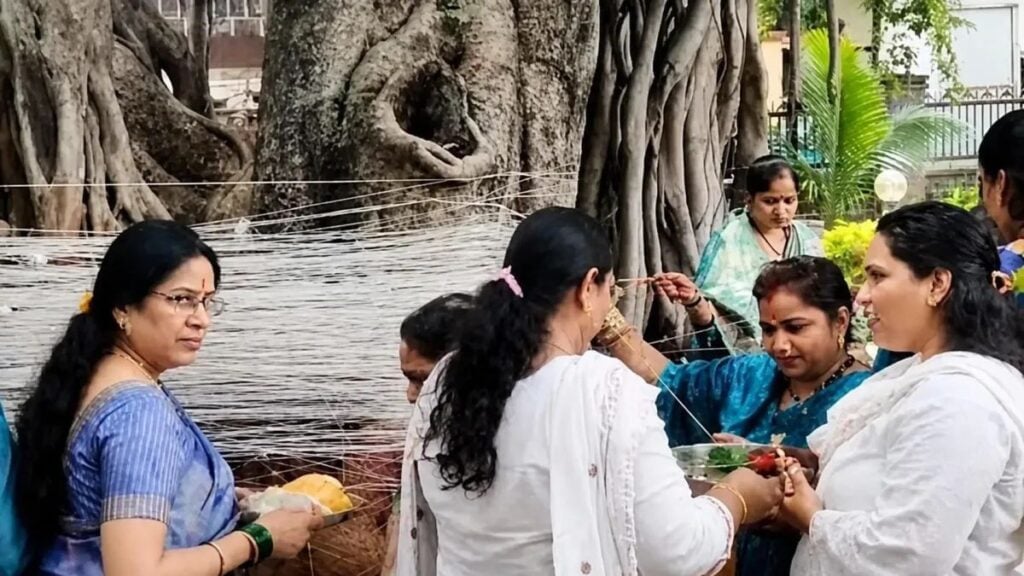
Accounts from the region describe large-scale, carefully organized cooking led by community members and volunteers, who treat the culinary process as part of the ritual itselfmeticulous, disciplined, and reverential. After offering the biryani to Muniyandi Swami, the prasadam is shared widely, reinforcing bonds that traverse family lines, caste boundaries, and social distinctions. For many, receiving this prasadam is an experience of grace accessible through the familiar medium of everyday food.
Beyond its culinary distinctiveness, the festival carries broader cultural and ethical significance. It exemplifies how dharmic traditions accommodate regional practices while upholding shared values of service (seva), gratitude, and communal harmony. Parallels to inclusive food-sharing traditions across dharmic pathssuch as langar in Sikhism and the ethics of dana in Hindu, Buddhist, and Jain contextsunderscore a unifying ethos: food, when sanctified and shared, becomes a medium of compassion, dignity, and social cohesion.
Visitors often describe the sensory landscape of the daythe aroma of spices wafting through village lanes, the hum of coordinated activity, and the quiet reverence that precedes the distribution. Many recall the feast as both extraordinary and intimate, where the sacred is encountered not in abstraction but in the warmth of a shared meal. The experience makes the intangiblefaith, gratitude, belongingpalpable, reminding participants that devotion is as much lived as it is contemplated.
As with many regional observances, reflections around the Muniyandi Temple Festival emphasize mutual respect for diverse dietary practices and spiritual sensibilities. Such conversations enrich the tradition by inviting thoughtful engagement while safeguarding its historical continuity. This spirit of dialogue strengthens the festival’s role as a bridge between generations, inviting younger participants to cherish heritage and older custodians to steward it with care.
Today, the Mutton Biryani Prasadam at Vadakkampatti stands as a testament to Tamil Nadu’s cultural resilience and the adaptability of temple customs. It affirms a simple but profound truth shared across dharmic traditions: when faith is expressed through shared nourishment, communities remember their interdependence, and the ordinary becomes sacred.
Inspired by this post on Hindu Blog.