The Divine Dance of Shiva and Shakti in Hindu philosophy illuminates a view of gender that transcends rigid binaries. Rather than opposing poles, masculine and feminine energies are portrayed as interdependent aspects of a single cosmic reality. This vision, reflected across Hindu scriptures and living practices, invites a deeper understanding of how embodied life finds balance through complementarity, not conflict.
Hindu scriptures consistently affirm a fundamental unity beneath apparent difference. The motif of Shiva and Shakti expresses consciousness (Shiva) and energy (Shakti) as inseparabletwo facets of one continuum. In this framework, gender symbolism serves as a pedagogical prism for contemplating wholeness, fluidity, and the interwoven nature of life. The ideal is not sameness, but a dynamic equilibrium that sustains creation.
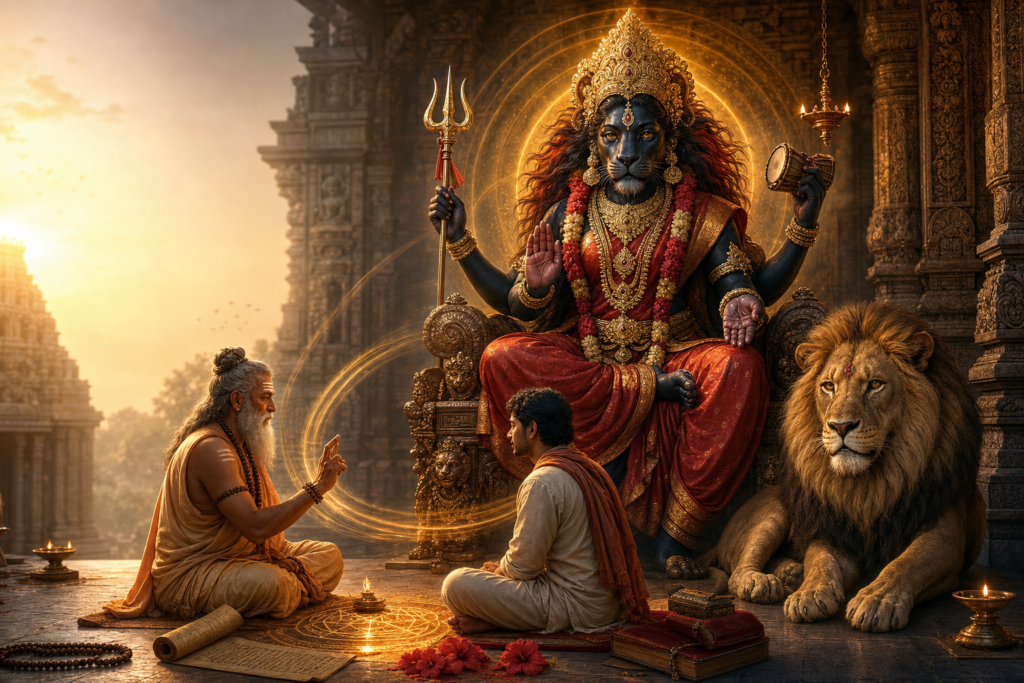
Ardhanarishvarathe half-Shiva, half-Shakti formoffers a compelling theological image of this synthesis. The icon does not merely split a body; it integrates awareness and power, stillness and movement, ascetic insight and creative expression. By collapsing the hierarchy between masculine and feminine attributes, it signals a non-binary spiritual anthropology in which realization comes from reconciling polarities within the self and society.
Philosophical schools ground this vision in precise metaphysics. In Sāṅkhya, Purusha and Prakriti describe the relation of witnessing consciousness and manifest nature; in Advaita Vedanta, all distinction ultimately resolves into nondual Brahman; in Tantra, Shakti is revered as the very pulse of realization. These streams converge on a single insight: what appears divided is, at source, one.
Scriptural passages reinforce this inclusive theology. The Bhagavad Gita (9.17) proclaims, “I am the father of this world, the mother, the supporter, the grandsire,” collapsing gendered designations into a single divine voice. The Devi Mahatmyam celebrates Shakti as the cosmic matrix, while Shaiva Agamas and Puranic narratives present the dance of Shiva–Shakti as the engine of transformation. Across these texts, gendered language functions symbolically, guiding seekers toward an integrative spiritual horizon.
In lived experience, this teaching manifests as balance, empathy, and inner reconciliation. Moments of inner conflict often soften when awareness shifts from opposition to complementarity. Communities likewise flourish when traditionally coded “masculine” qualitiesclarity, steadiness, discernmentcooperate with “feminine” qualitiescare, intuition, creativity. The synthesis fosters resilience, ethical action, and holistic well-being.
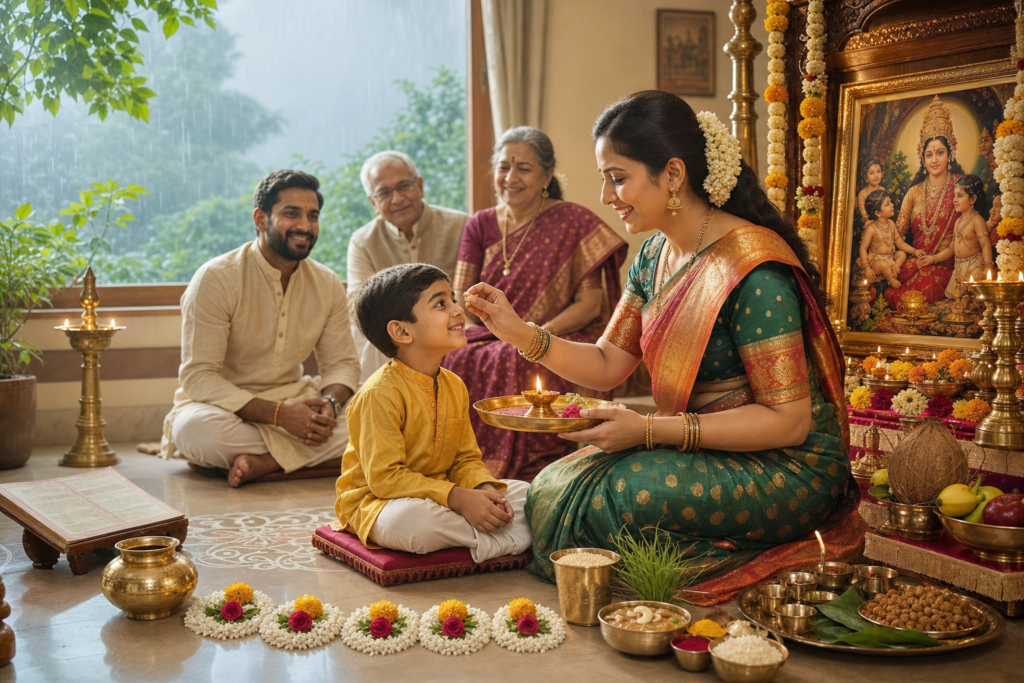
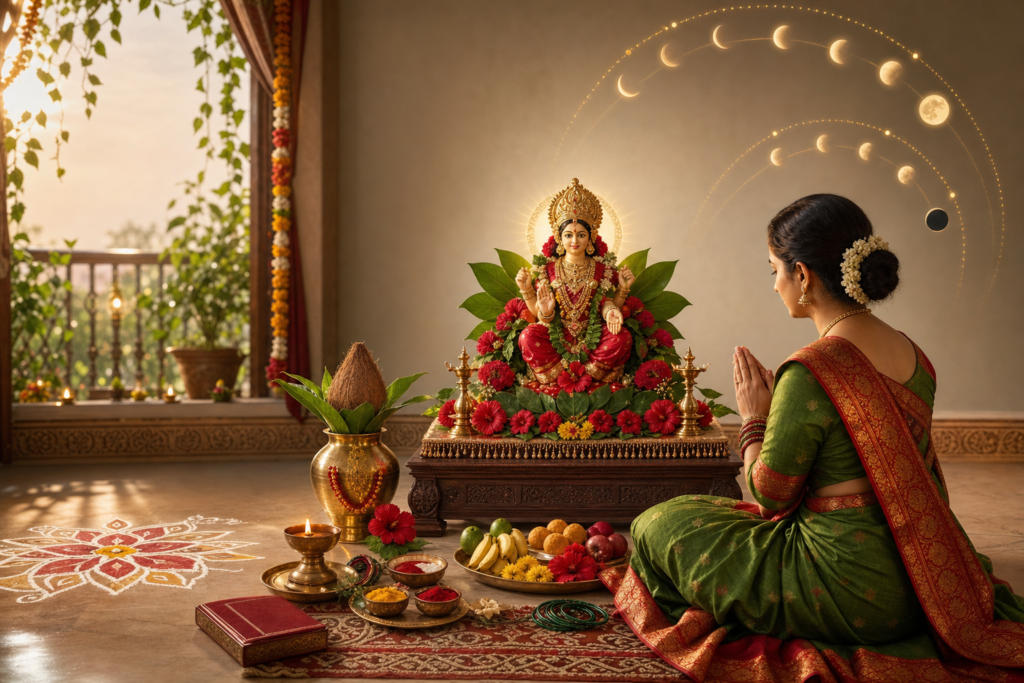
Ritual and art embed these insights in everyday practice. The image of Nataraja encodes the rhythm of emergence and return; Navaratri honors Shakti’s many forms; meditation cultivates equipoise between attention and openness. Such practices do not erase difference; they sanctify it as a pathway to unity, allowing each person to integrate diverse inner potentials.
This ethos of complementarity affirms unity among dharmic traditions. Buddhism often articulates wisdom and compassion as mutually completing virtues; Jainism emphasizes nonviolence and many-sided truth (anekāntavāda), encouraging respectful engagement with plurality; Sikh teachings affirm the timeless One (Waheguru) beyond gender while using maternal and paternal metaphors for the Divine. Together, these traditions offer a shared vocabulary for honoring difference within spiritual unity.
Such a framework supports social inclusion. When communities internalize Shiva–Shakti complementarity, public discourse moves beyond rigid binaries toward dignity, mutual respect, and equitable participation. Ethical leadership, family life, and educational spaces benefit from this integrative lens, which recognizes the full spectrum of human experience without diminishing individuality.
Hindu philosophy thereby reframes gender fluidity as a spiritual and moral resource. By recognizing the interplay of Purusha and Prakriti, the Sacred Feminine and the Sacred Masculine, spiritual seekers and communities cultivate clarity without rigidity, compassion without sentimentality, and strength without domination. The result is a culture of “unity in diversity” that is both principled and practical.
Ultimately, the Divine Dance of Shiva and Shakti points to an inner reconciliation that radiates outward. It encourages each person and community to integrate complementary qualities, see beyond oppositional thinking, and enact a universal respect consistent with Sanatana Dharma and allied dharmic traditions. In this integrative light, gender symbolism becomes a bridge to wholenessan invitation to live the harmony it reveals.
Inspired by this post on Hindu Blog.