Narmada Jayanti, also known as Narmada Janamdivas, commemorates the sacred appearance of the River Narmada and is observed in 2026 on January 25. The observance coincides with Ratha Saptami, falling on Shukla Paksha Saptami in the Magh Month, a convergence that underscores the day’s auspicious character in the Hindu calendar.
Rooted in India’s sacred geography, the River Narmada originates at Amarkantak in Madhya Pradesh and flows westward through Maharashtra and Gujarat before meeting the Arabian Sea. Along its course, revered sites such as Omkareshwar, Maheshwar, Narmadapuram (Hoshangabad), and Bharuch serve as focal points for devotion, pilgrimage, and community celebration. The river’s life-giving presence is recognized across dharmic traditions, where reverence for rivers as embodiments of purity, sustenance, and ethical responsibility fosters a shared cultural ethos.
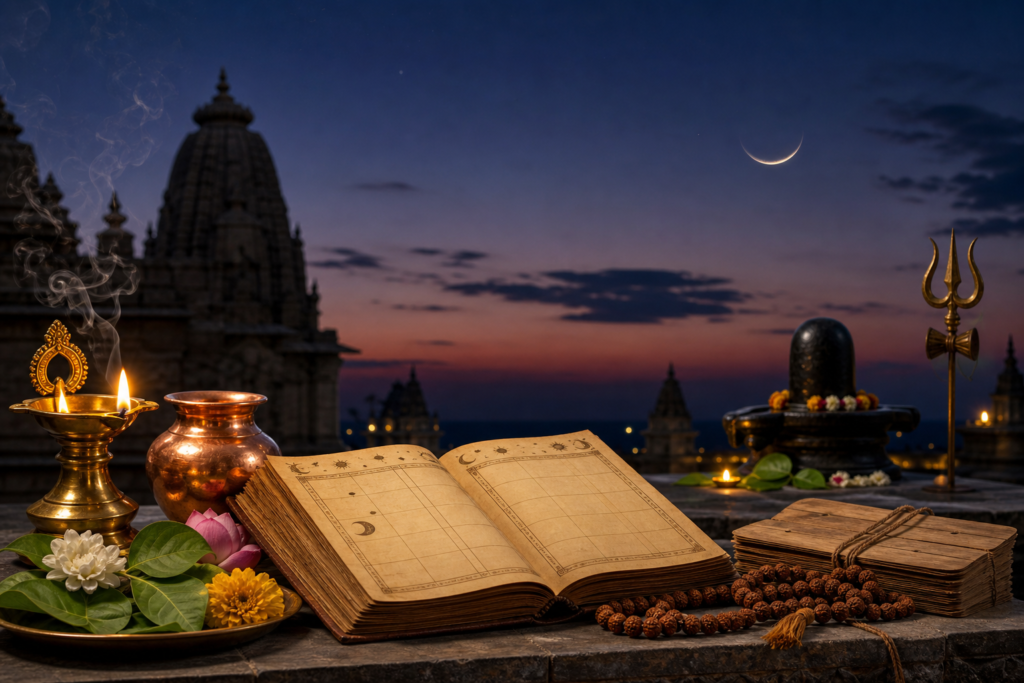
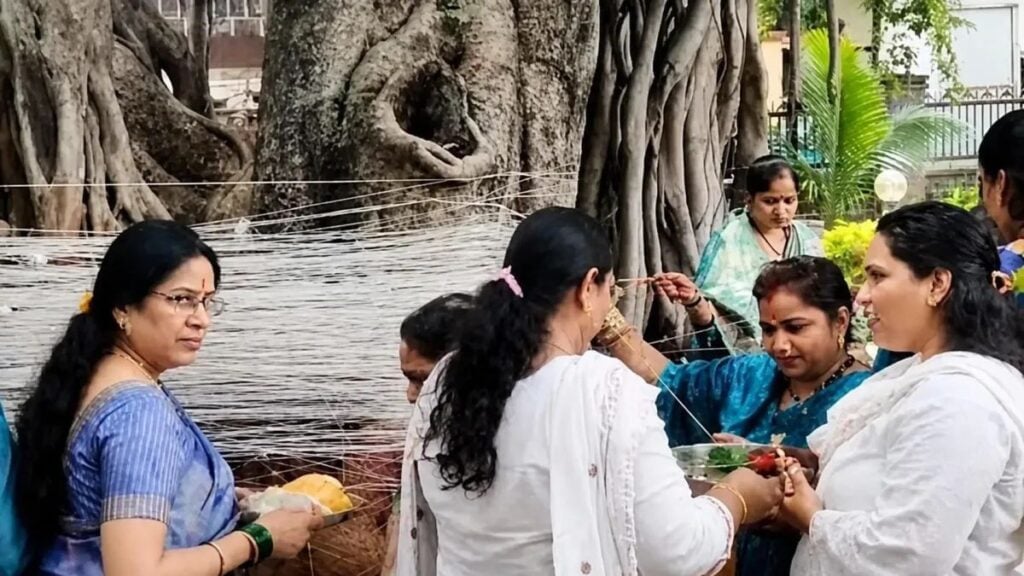
The day is traditionally marked by early-morning snan (ritual bathing), deep daan (lamp offering) on riverbanks, collective aarti, and recitation of hymns such as Narmada Ashtakam. Families and communities often gather at ghats to offer flowers and prayers, expressing gratitude for water, fertility, and well-being. Oral accounts and community narratives consistently highlight a reflective mooddevotees describe a sense of renewal and an ethical call to protect the river’s ecology.
The alignment with Ratha Saptami, a day associated with Surya worship, creates a meaningful synthesis: sunlight (symbolizing illumination and health) and riverine sanctity (symbolizing purification and continuity) are celebrated together. Many offer Arghya to Surya with Narmada jal, observe simple vrata, and make daan of food, sesame, or clothing, aligning spiritual practice with social responsibility.
Pilgrimage on this occasion commonly includes visits to Amarkantak and Omkareshwar, with some embarking on segments of the traditional Narmada Parikrama. Eco-conscious observancesavoiding single-use plastics, supporting local communities, and participating in cleanliness drivesare increasingly emphasized, reflecting a dharmic understanding that reverence is inseparable from stewardship.
As the festival follows the lunar calendar, local Panchang references are recommended for precise tithi observances and sunrise timings in each region. Nonetheless, the core practicessnan, aarti, mantra recitation, and daanremain consistent across locations, making the festival accessible to households and communities irrespective of proximity to the river.
Beyond ritual detail, Narmada Jayanti expresses a broader civilizational unity. In Hindu, Buddhist, Jain, and Sikh communities alike, the honoring of nature as a manifestation of the sacred promotes ethical living, social harmony, and interfaith respect. In this light, Narmada Jayanti 2026 offers an opportunity to deepen spiritual insight, strengthen community bonds, and renew a shared commitment to protect India’s living heritage.
Inspired by this post on Hindu Pad.