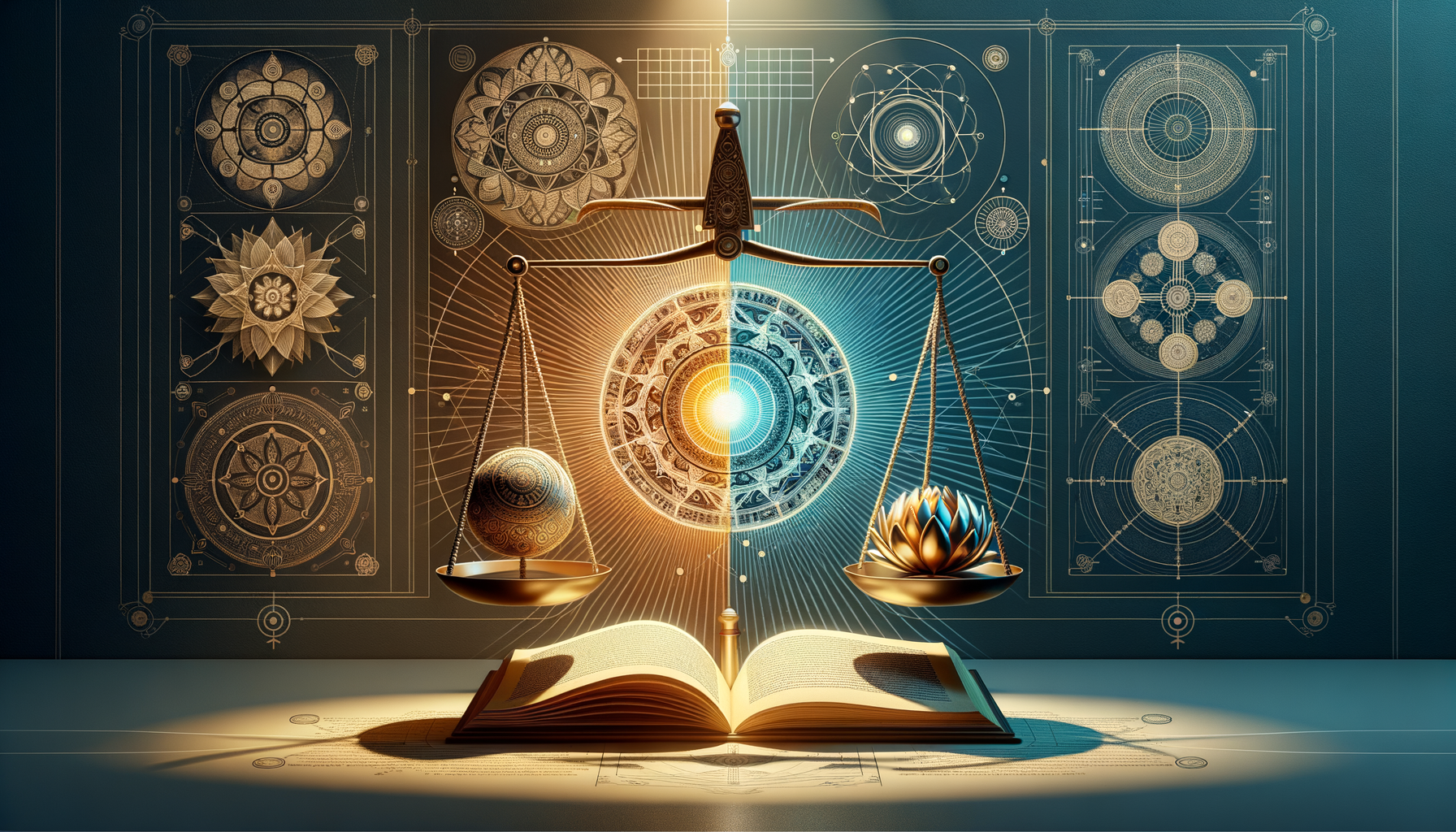
Anvikshiki is introduced in Hindu philosophy as the disciplined science of examining what is stated in knowledge texts (agama) alongside what is revealed through sense experience (pratyaksha). Vatsyayana articulates this definition in Nyaya-Bhashya (I.1.1), situating Anvikshiki as a method for aligning claims of tradition with the evidence of perception. The term is analyzed as anuikshana, or reflection, underscoring a reflective and rigorous approach to knowledge. In this lineage, Nyaya becomes synonymous with logical enquiry, and Vacaspati emphasizes it as a tradition rooted in “reasoned analysis.”
As a practice, Anvikshiki cultivates clarity by testing assumptions, comparing testimony from agama with observations gained through pratyaksha, and seeking coherence between the two. Such inquiry advances epistemic humility and precision: claims are neither accepted uncritically nor dismissed hastily. By drawing attention to careful questioning and systematic reasoning, this approach strengthens the foundation of Indian philosophy and supports an enduring culture of open debate within the Hindu darshanas.
The spirit of Anvikshiki also resonates across the broader dharmic traditions. In Buddhism and Jainism, for example, reasoned examination and many-sided understanding align with the same quest for truth, echoing the Jain emphasis on Anekantavada as a commitment to nuanced perspectives. This shared ethos fosters unity in diversity, encouraging respectful dialogue and mutual enrichment among Hinduism, Buddhism, Jainism, and Sikhism. By elevating reasoned inquiry over dogma, Anvikshiki provides a common ground where diverse paths can converge without losing their distinctiveness.
In contemporary life, the methods of Anvikshiki offer practical benefits for students, researchers, and thoughtful readers navigating complex information environments. The habit of evaluating sources, cross-checking claims, and aligning received teachings with lived experience builds intellectual confidence and emotional steadiness. Many find that this reflective practice reduces polarization, clarifies disagreement, and invites compassionate understandingoutcomes that are as ethically grounded as they are philosophically sound.
Ultimately, Anvikshiki invites steady reflectionanuikshanaguided by the twin lights of tradition and experience. Grounded in Vatsyayana’s Nyaya-Bhashya and reaffirmed by Vacaspati’s emphasis on “reasoned analysis,” it offers a time-tested path to discernment. By holding space for multiple perspectives while insisting on rigorous reasoning, Anvikshiki strengthens unity within the dharmic family and equips seekers to approach truth with both clarity and compassion.
Inspired by this post on Hindu Blog.