By His Divine Grace A.C.B. Swami Prabhupada, a clear warning is articulated about the direction of modern political life: the pursuit of material prosperity, when driven by personal ambition, leads not to collective well-being but to systemic confusion. The observation is straightforward and sobering—many so-called political leaders present themselves as selfless guides while remaining tightly bound by the laws of material nature, mistaking personal prestige for public service.
This diagnosis rests on a classical dharmic insight. When leadership is unmoored from God consciousness—understood across traditions as higher ethical awareness, inner restraint, and responsibility—policy plans tend to multiply without producing enduring harmony. In such a condition, the strong currents of rajas and tamas (restlessness and inertia) overpower clarity, and social endeavors culminate in frustration rather than flowering.
Across the dharmic traditions of Hinduism, Buddhism, Jainism, and Sikhism, the antidote is consistent: leadership must be rooted in dharma. Non-attachment, compassion, truthful conduct (satya), ahimsa, and seva are not mere private virtues; they are public principles that realign governance with ethical purpose. Ethical leadership thereby becomes a spiritual discipline in action, transforming authority from a claim to status into a vow of service.
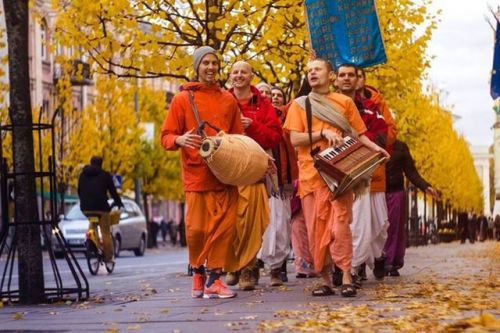
For many citizens who observe cycles of grand promises and limited change, this vision resonates at a human level. It affirms that social healing begins with inner orientation. Daily remembrance of the divine—Hare Krishna for some, mindfulness and compassion practices for others—combined with honesty in speech, restraint in desire, and generosity in conduct, turns spiritual consciousness into civic strength.
Practical implications follow for contemporary democracies. Voters strengthen society by supporting leaders who consistently display transparency, humility, and competence over rhetoric. Leaders safeguard the public good by embracing dharmic accountability—self-scrutiny, service-first decision-making, and resistance to the temptations of personal glorification. Institutions nurture long-term stability by embedding ethics education, pluralistic dialogue, and community participation into governance.
Srila Prabhupada’s counsel reframes modern civilization’s challenges as moral and spiritual before they are merely technical. When leadership aligns with dharma and God consciousness, plans cease to be frantic improvisations and become steady pathways to shared prosperity. In this way, unity in spiritual diversity is not an abstract ideal but a practical foundation for just, compassionate, and enduring public life.
Inspired by this post on Dandavats.