-
Gandhi, Ahimsa, and Statecraft: A Hard Lesson in Idealism, Power, and Unity

This article revisits Gandhi’s philosophy of ahimsa through the lens of statecraft, national security, and Hindu-Muslim relations in colonial India. It explains why Gandhi’s moral idealism inspired millions while also creating serious political tensions when applied to questions of defence, communal bargaining, and organised power. The discussion examines 1920s debates around Muslim political aspirations without…
-
Rajadharma and Government Types: Essential Lessons for Dharmic Governance

This article explains Rajadharma through the lens of government types, including monarchy, republic, confederation, democracy, local assemblies, and village administration. It clarifies key Indic terms such as Raajya Vyavastha, Ganaraajya Vyavastha, Jaanaraajya Vyavastha, Sangharaajya, Sabha, Samithi, Gana, and Sangha. The discussion shows that ancient Bharatavarsha developed complex political institutions with councils, ballots, committees, local autonomy,…
-
Srila Prabhupada’s Wake-Up Call for Political Leaders: Put Dharma Over Greed to Serve Society

Srila Prabhupada’s analysis warns that leadership driven by personal ambition and material prosperity ultimately breeds social confusion. Rooted in dharmic thought, the remedy is a return to God consciousnesshigher ethical awareness and responsibility that temper power with humility. Across Hinduism, Buddhism, Jainism, and Sikhism, virtues like non-attachment, satya, ahimsa, and seva orient leadership toward genuine…
-
A Layman’s Introduction to the Granddaddies of the Liberal Wokes

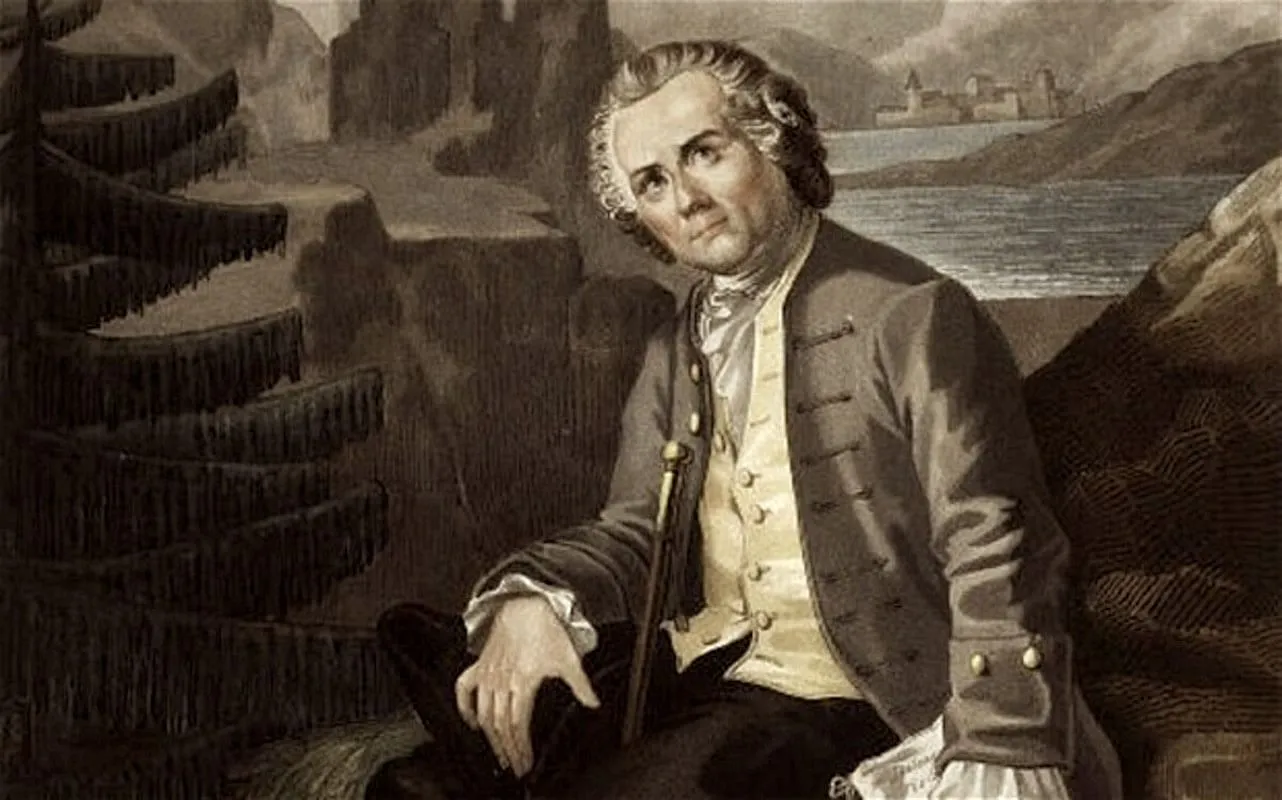
This blog post delves into the historical roots and key figures of what the author refers to as “the liberal wokes.” It traces the emergence of the Intellectuals as a distinct class, whose intellectual hubris and rejection of traditional wisdom led to a radical reimagining of society. Jean Jacques Rousseau’s role in promoting the idea…