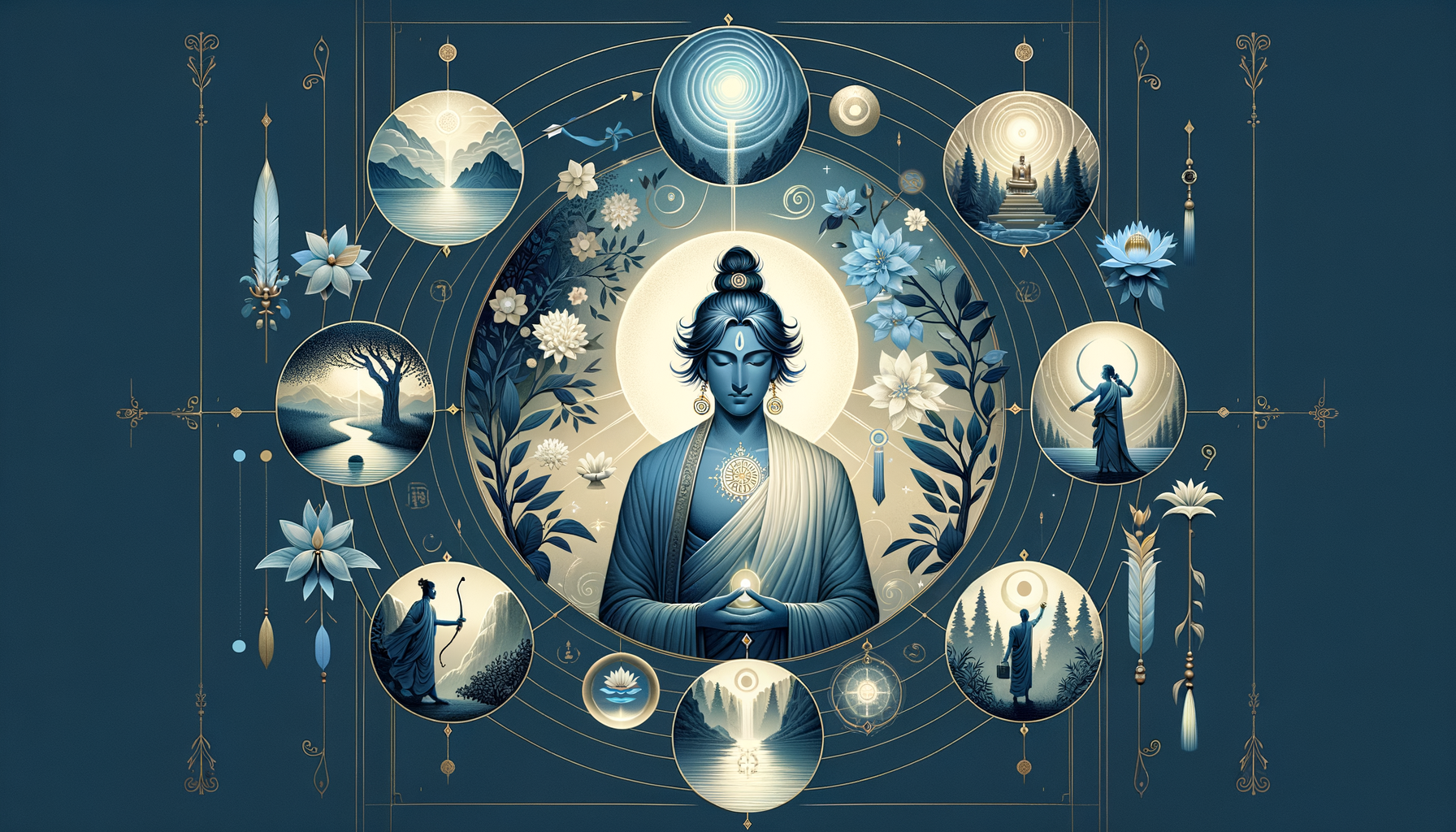
Across Sanatana Dharma, Lord Shiva stands as a timeless symbol of transformation, compassion, and inner strength. These legendary Shiva storiespreserved in the Puranas, epics, and sacred lorespeak to universal values shared across Hinduism, Buddhism, Jainism, and Sikhism: self-mastery, non-attachment, and the triumph of wisdom over impulse. Readers often find that these narratives do more than describe the divine; they map the journey of human character and offer pathways to clarity, courage, and harmony in daily life.
Samudra Manthan and the emergence of Neelkanth: When the churning of the cosmic ocean released the deadly halāhala poison, Shiva received it in compassion for all beings, holding it in the throat and becoming Neelkanth. In this Hindu story, the deity transforms collective danger into safety, an enduring metaphor for absorbing negativity without letting it seep into one’s essence. In contemporary terms, many recognize here a model for ethical leadership: contain harm, protect others, and remain inwardly steady.
The Descent of the Ganga (Gangādhara): As Bhagiratha’s tapas brought the celestial Ganga to earth, Shiva bore the river upon the matted locks, diffusing its power to prevent devastation. This Puranic episode illustrates channeling vast energy with discernmentan image of grace bridled by wisdom. For many, it evokes the responsibility to guide knowledge, technology, and influence toward the common good, harmonizing power with humility in line with Vedic ideals.
Ardhanārīśvara and the unity of energies: The form of Shiva and Pārvatī as oneArdhanārīśvaraembodies the indivisible harmony of Śiva and Śakti. This narrative signifies balance: intellect with empathy, rigor with tenderness, action with contemplation. It resonates with the unity-in-diversity cherished across dharmic traditions, affirming that wholeness arises when complementary qualities are integrated rather than opposed.
Tripurāntaka and the aim of inner conquest: In the legend of Tripurantaka, Shiva, with the cosmos as a chariot and a single arrow, dissolves the three asura cities at the auspicious moment. The symbolism is rich: when mind, intention, and virtue align, the strongholds of ignorance fall. Readers often connect this to the discipline of yoga and meditation, where sustained focus and ethical clarity dissolve inner obstacles, reflecting the perennial teachings of Sanatana Dharma.
Daksha Yajña and the lesson of humility and reconciliation: The tale of Daksha’s sacrifice, Sati’s profound renunciation, and the arising of Vīrabhadra culminates not in perpetual conflict but in restoration. Shiva’s forgiveness underscores a central dharmic insight: pride fractures communities, while humility and reconciliation heal them. This story remains a touchstone for family harmony, community cohesion, and respectful conduct within sacred traditions.
Kirātārjunīya: the test of perseverance and grace: Disguised as a hunter, Shiva tests Arjuna’s resolve in the forest, ultimately granting the Pāśupatāstra. The episoderecounted in the Mahābhārata traditionhonors one-pointed practice (ekāgratā), ethical restraint, and endurance. The insight is immediate and relatable: sustained effort, aligned with dharma, invites unexpected guidance and transformative blessings.
Together, these narratives describe more than mythic grandeur; they articulate shared dharmic valuescompassion, balance, tapas, and wisdomthat nurture unity among Hinduism, Buddhism, Jainism, and Sikhism. The stories steer attention away from sectarian rivalry and toward ethical living and inner awakening, where diverse paths converge in the quest for truth and harmony.
For contemporary seekers, each story offers a practical lens: Neelkanth inspires mindful containment of toxicity; Gangādhara models channeling of power for social good; Ardhanārīśvara invites integration of strengths; Tripurāntaka champions disciplined focus; Daksha Yajña calls for humility; and Kirātārjunīya affirms perseverance. Read in this way, Shiva’s legends are living guidesclear, compassionate, and profoundly usable in the rhythms of modern life.
Inspired by this post on Hindu Pad.