Across cultures and over decades of research on religion, a consistent pattern appears: women frequently report higher levels of religious engagement than men. This general finding is also visible in Hindu communities, where women often serve as anchors of household worship, festival observances, and everyday spiritual discipline. Understanding this pattern calls for nuance that blends data, history, social roles, and the living textures of Hindu society.
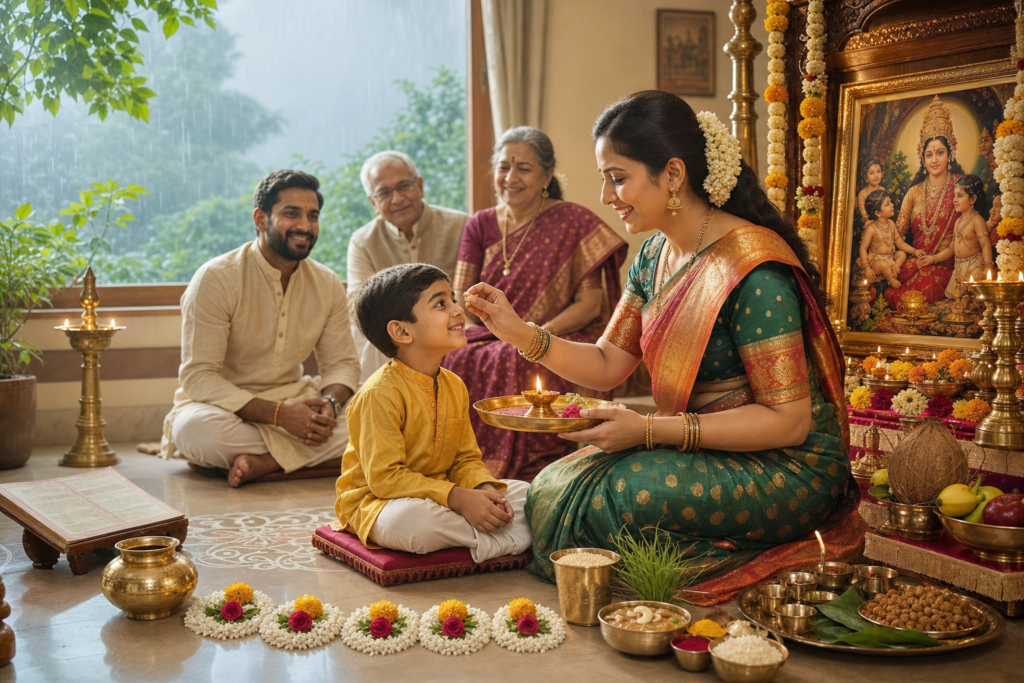
Religiosity is measured in many waysfrequency of puja, attendance at temple, participation in vrata (vow-based rites), scriptural recitation, seva (service), and charitable giving. On several of these behavioral indicators, Hindu women tend to be especially visible in the domestic sphere: preparing offerings, maintaining daily altars, guiding children through samskaras, and sustaining the rhythms of Hindu festivals. Such practices cultivate a steady devotional presence that surveys can capture readily.
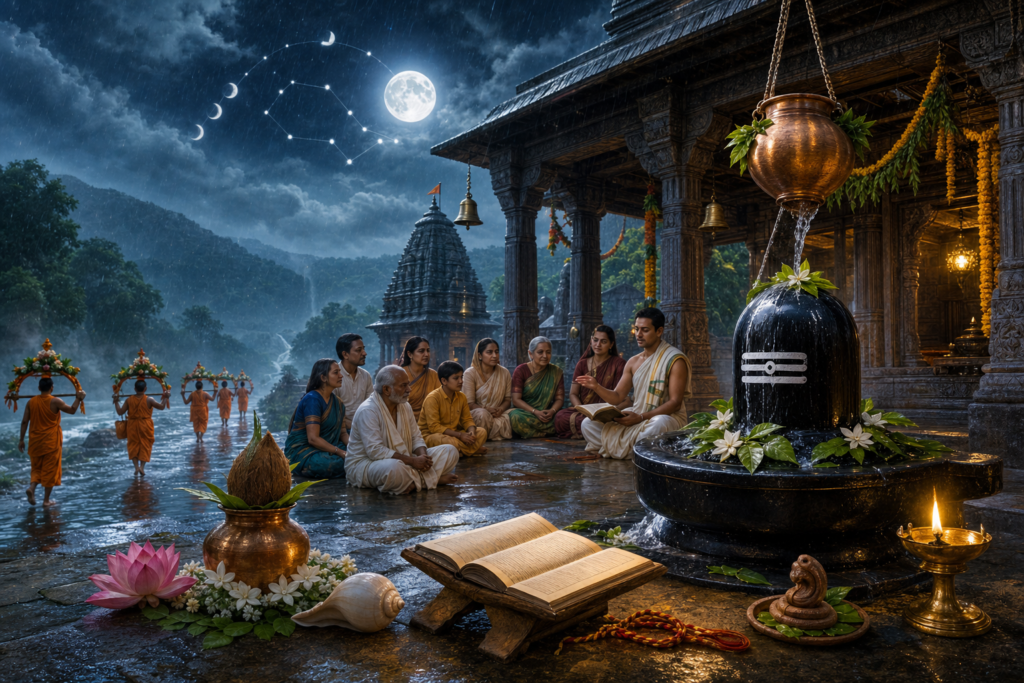
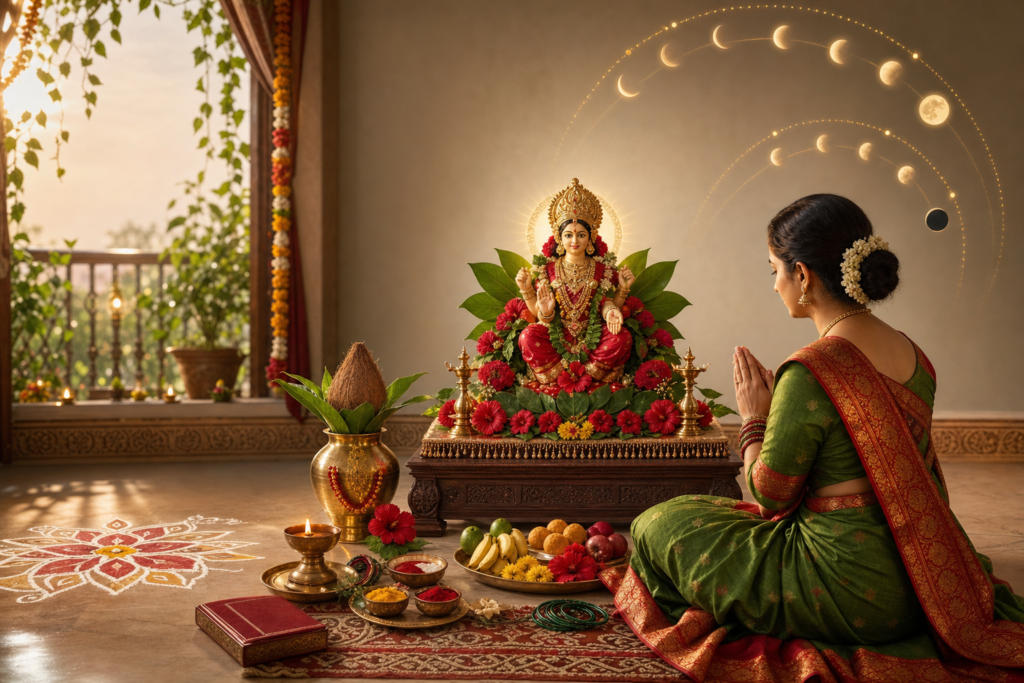
Historical and social context helps explain these Gender Dynamics. Traditional divisions of labor, caregiving responsibilities, and the transmission of cultural memory often placed women at the center of household ritual life. From observing vrata like Karva Chauth and Varalakshmi Vratam to leading Navaratri worship, women have served as vital stewards of devotion, embodying the continuity of Bhakti Tradition within families and neighborhoods.
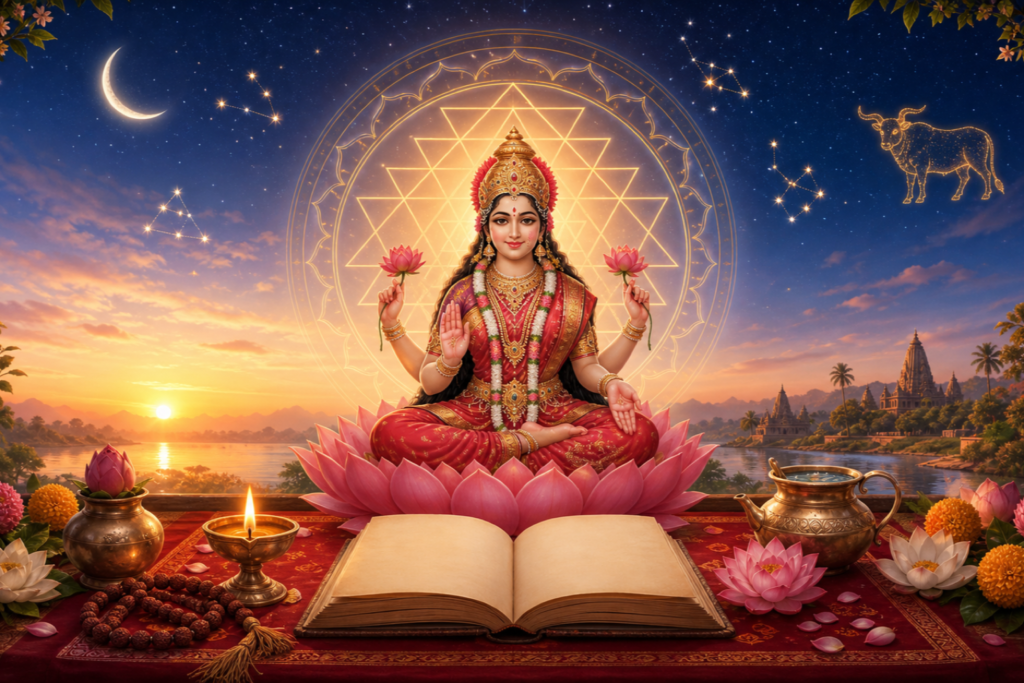
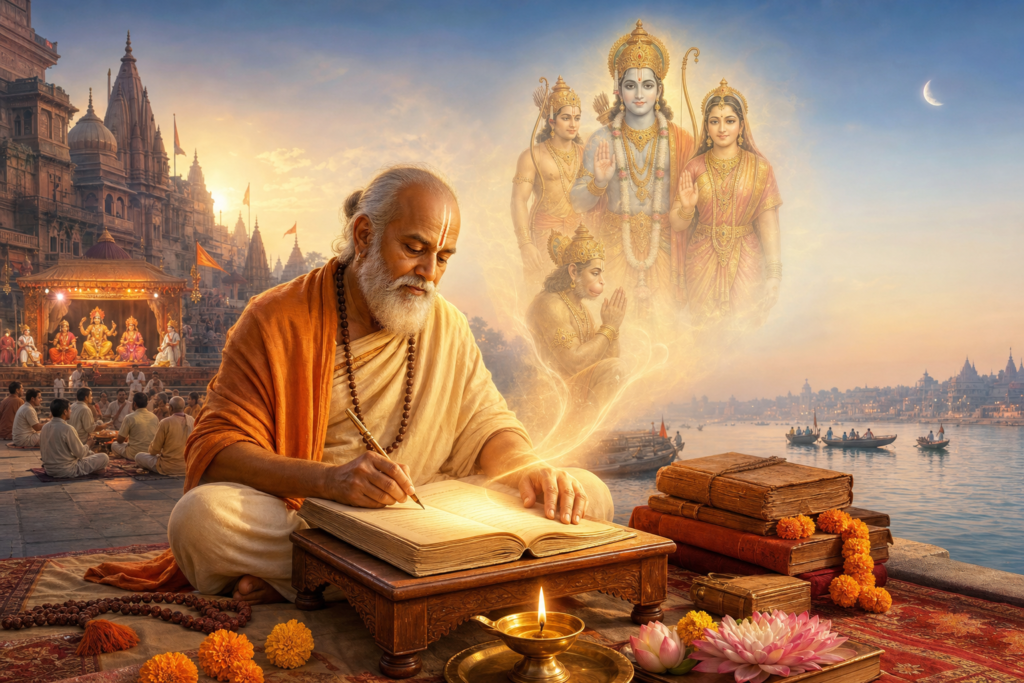
The theological landscape of Hinduism also matters. Reverence for Shakti, the centrality of goddesses, and the non-dual understanding of atman affirm spiritual equality. Devotional exemplars span gendersAndal, Akka Mahadevi, and Mirabai alongside Tulsidas, Chaitanya, and Namdevunderscoring that profound realization is not gender-bound. In this way, Religious diversity in Hinduism and the plurality of spiritual paths reinforce a wide spectrum of devotional expression.
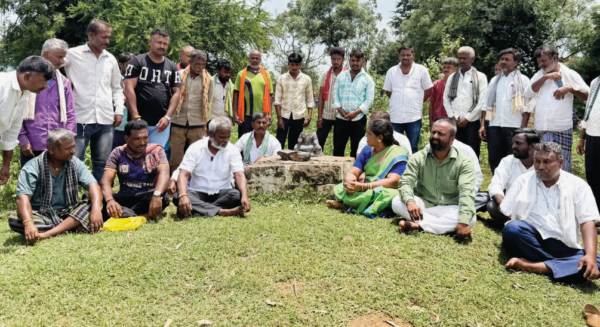
At the same time, men frequently engage in more public-facing dimensions of religious life: organizing community events, participating in yatra, serving on temple committees, supporting infrastructure, and studying or teaching philosophy. Monastic orders and scriptural debates have historically drawn strong male participation. Viewed holistically, the apparent gap often reflects differences between private and public modes of practice rather than a simple measure of who is “more religious.”
Contemporary shifts are narrowing many differences. Urbanization, education, and diaspora life are expanding opportunities for shared practicefamilies conduct evening puja together, men take on more caregiving and ritual roles at home, and women increasingly lead study groups and community classes. Among younger generations, devotional engagement is often collaborative, with couples and peers sharing seva, bhajan, mindfulness, and study.
These patterns are not unique to Hindu communities. Across dharmic traditionsBuddhism, Jainism, Sikhismwomen frequently sustain daily practices and intergenerational teaching, while men may lean toward institutional service, public kirtan, or community langar and seva. Recognizing this complementarity fosters unity, mutual respect, and a shared commitment to Spirituality grounded in compassion and wisdom.
Methodologically, care is essential. Time-use constraints, survey wording, and social desirability can skew measures of devotion. Some forms of spiritual workquiet caregiving, private meditation, or behind-the-scenes organizingare less visible yet deeply significant. Avoiding stereotypes preserves the integrity of analysis and honors the full spectrum of Hindu Society.
Practical implications follow for temples and community organizations. Flexible scheduling, childcare during events, inclusive teaching roles, and recognition of both domestic and public religious labor invite balanced participation. Leadership pathways for women and men alike, coupled with opportunities for family-centered seva, strengthen communal bonds and encourage lifelong engagement.
In sum, the recurring observation that Hindu women often appear “more religious” reflects a convergence of social roles, devotional visibility, and measurement practices. A fuller picture reveals complementary strengths: household guardianship of daily ritual, public stewardship of institutions, and shared bhakti that animates both. Embracing this complementaritywithin Hinduism and across dharmic traditionsadvances unity in diversity and deepens collective spiritual life.
Inspired by this post on Hindu Blog.