“We are not preaching to Christian or Hindu or Muslim. We are preaching to human being. Every living being, his duty is to understand God.” –Srila Prabhupada
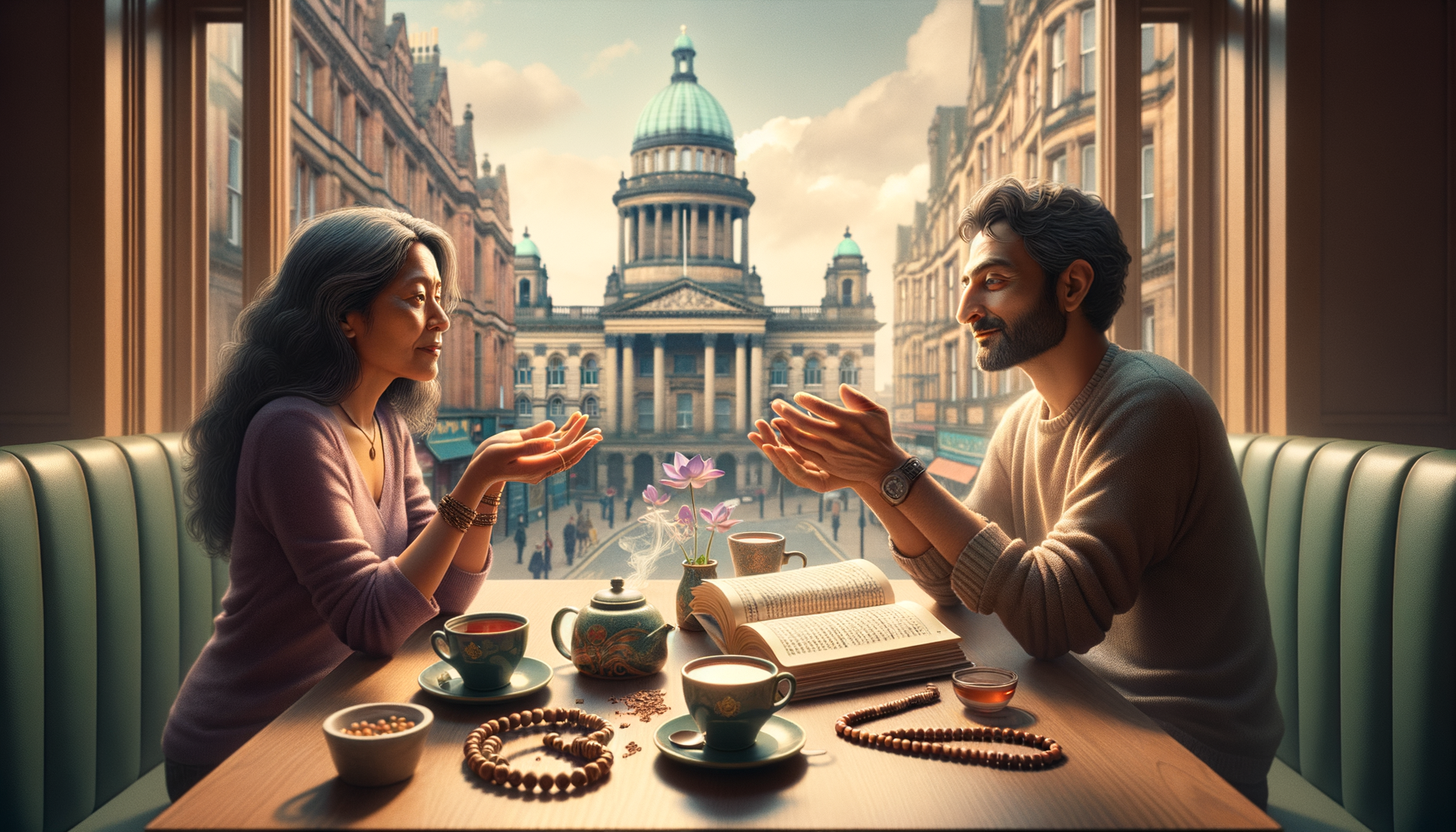
In Leeds, an unplanned conversation with Dr Ali Hayder unfolded into a thoughtful exchange on faith, culture, and shared values. He noted that he has read the Ramayan and expressed deep love for the Lord, highlighting how devotion can transcend labels and foster genuine connection. The encounter reflected a quiet yet powerful example of interfaith dialogue grounded in respect, curiosity, and sincerity.
The spirit of the discussion aligned with Srila Prabhupada’s emphasis on addressing the human being rather than religious categories. This experience illustrated religious pluralism in practice: the recognition that devotion, ethics, and the quest for truth are universal, even as traditions differ in language, form, and emphasis. Such harmony of faiths encourages learning across communities and strengthens social cohesion.
Within the broader dharmic spectrumHinduism, Buddhism, Jainism, and Sikhismthere exists an enduring affirmation of compassion, self-discipline, and service. These shared principles provide a common ground for unity in diversity. The inclusive ethos of Sanatana Dharma, together with the recognition of Ishta (the freedom to honor one’s chosen form of the divine), enables respectful coexistence without erasing difference.
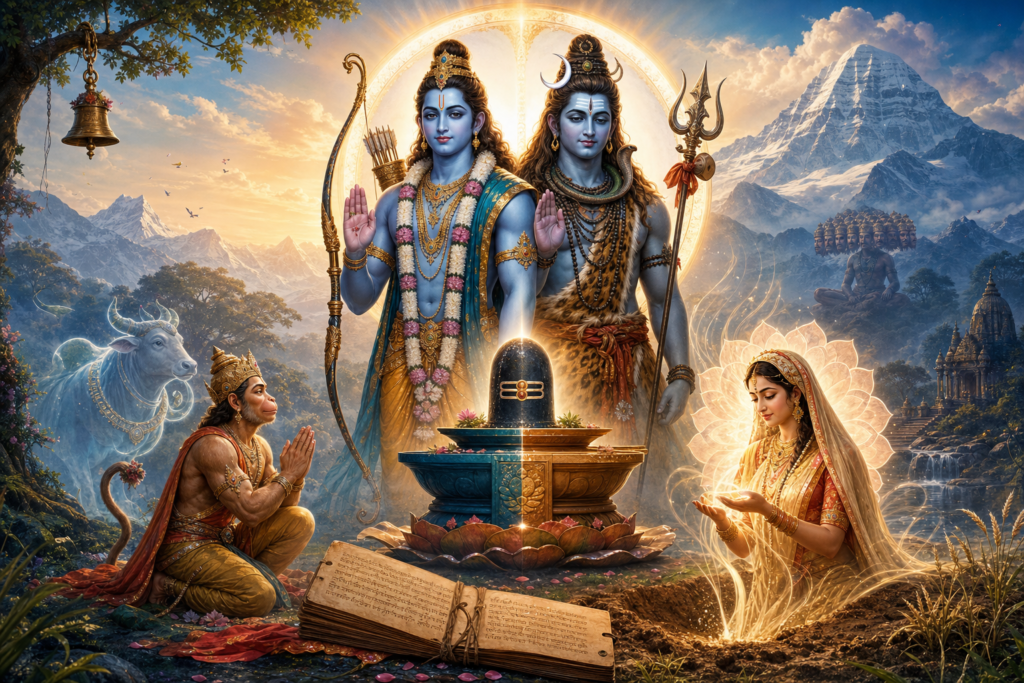
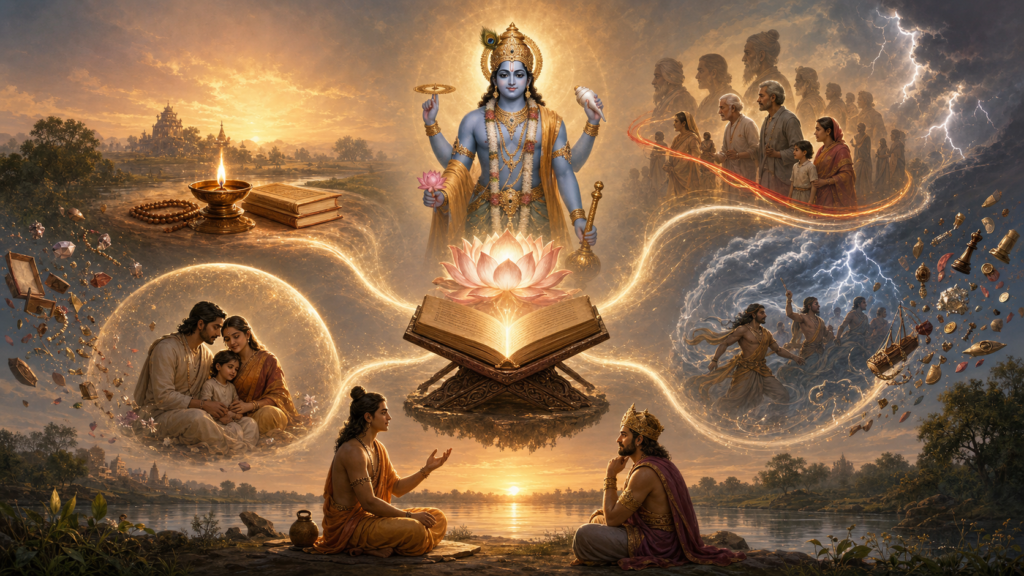
Dr Ali Hayder’s appreciation of the Ramayan underscores how classical texts can serve as bridges rather than boundaries. The Ramayana tradition, with its emphasis on dharma, courage, and compassion, speaks across communities and invites reflection on moral action in contemporary life. When approached with openness, such texts deepen mutual understanding and invite collaborative service to the common good.
Encounters like thisquiet, sincere, and grounded in shared reverenceadvance Hindu-Muslim unity and model constructive interfaith relations. They show how dialogue, rather than debate, can nurture trust and reveal convergences in values. In Leeds and beyond, continued engagement of this kind strengthens the fabric of society and honors the many paths through which people seek the ultimate truth.
Inspired by this post on Dandavats.