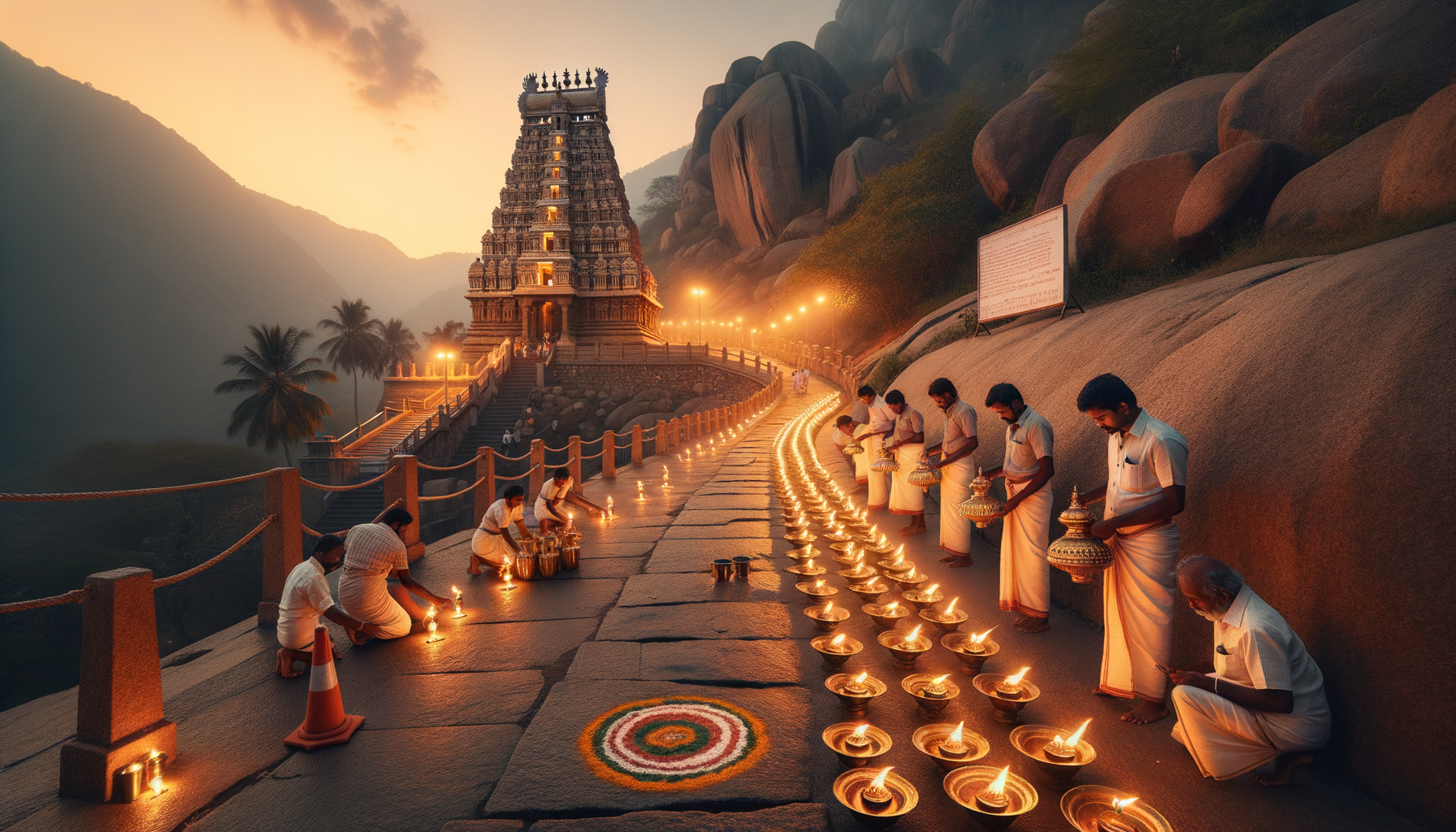
The Thiruparankundram lamp row in Tamil Nadu has become a focal point for examining how communities safeguard sacred traditions while upholding civic harmony. In recent remarks, RSS chief Mohan Bhagwat framed the situation as a test of resilience and organizational discipline, expressing confidence that a fair and peaceful outcome can be achieved through community strength aligned with constitutional processes. The public conversation has consequently shifted from confrontation toward a solutions-oriented approach that preserves devotional practices and prevents escalation.
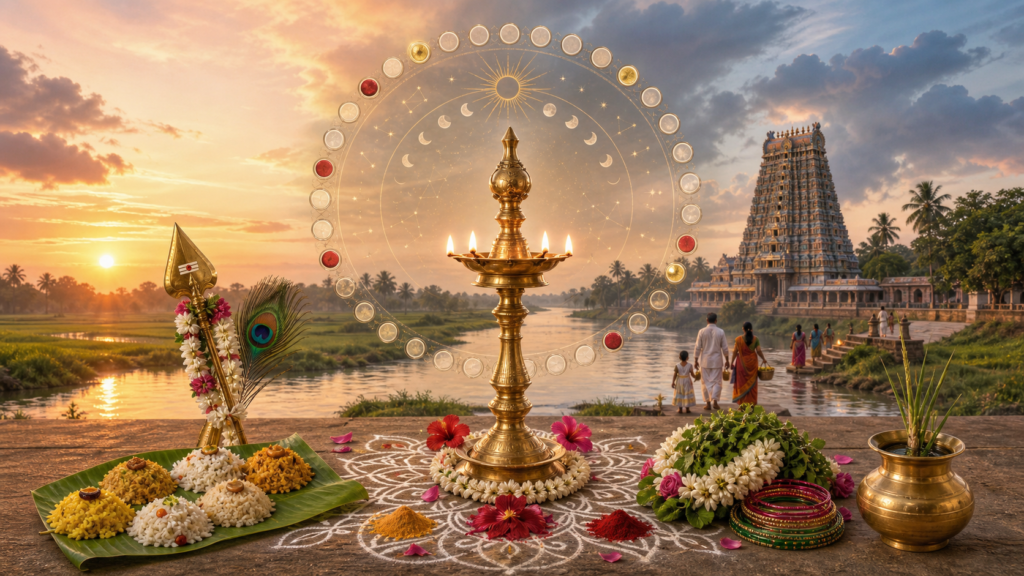
Thiruparankundram, near Madurai, is revered for its profound temple heritage and devotional rhythms anchored in festivals and deepam rituals. In Tamil households and neighborhood shrines alike, lighting the lamp carries meanings of continuity, protection, and hope. Observers note that the present dispute touches not only legality and procedure but also the emotional fabric of worshipechoing the shared memory of oil lamps arranged at dusk, the scent of wicks, and the quiet assurance of light overcoming darkness.
Locally grounded solutions are emerging as the most credible pathway forward. Structured dialogue among temple administrators, community representatives, and district authorities can safeguard the schedule, route, and safety protocols of deepam-related observances. Transparent communicationposted well in advancehelps devotees, residents, and vendors plan responsibly, while ensuring the rights and dignity of all participants are respected.
Scholars and civic leaders emphasize that Tamil Nadu’s temple culture flourishes when decisions are guided by documented custom, statutory law, and inclusive consultation. Independent facilitation, time-bound mediation, and fact-based reporting can reduce misinformation. Where questions of access, procession routes, or festival timings arise, calibrated adjustments grounded in precedent and safety norms tend to produce durable settlements.
Equally vital is a dharmic ethos of unity. The shared civilizational values of Hinduism, Buddhism, Jainism, and Sikhism affirm compassion, non-violence, and mutual respect. In practice, this means strengthening religious harmony through cooperative service, joint volunteerism around festivals, and an unwavering commitment to non-provocationso that spiritual devotion remains a bridge, not a barrier.
A constructive roadmap includes: formal stakeholder committees; public advisories in Tamil and English; crowd and traffic management in coordination with local police; grievance redressal desks at the site; and documentation of decisions for future reference. Such measures not only resolve the current lamp row but also establish a replicable framework for culturally sensitive event governance across Tamil Nadu.
Ultimately, the Thiruparankundram test is less about contention and more about character. When communities combine moral resolve with civic prudence, devotion finds its rightful spaceand the lamp, once lit, illuminates pathways of trust. In that light, calls for a resolution grounded in community strength should be read as an appeal to discipline, dialogue, and dignityso that faith endures and harmony prevails.
Inspired by this post on Struggle for Hindu Existence.