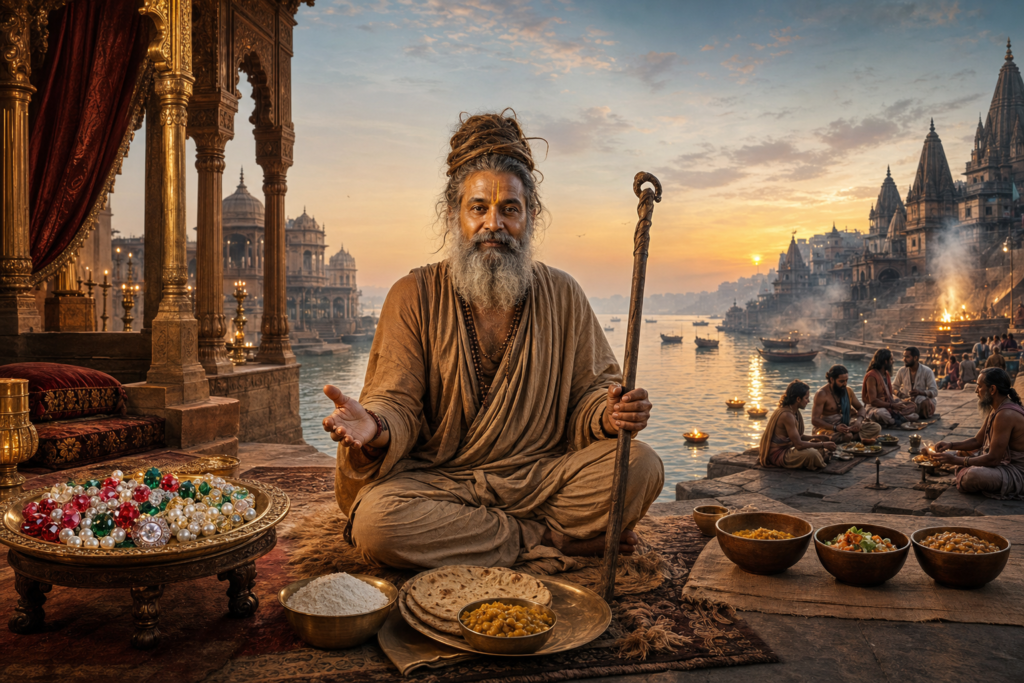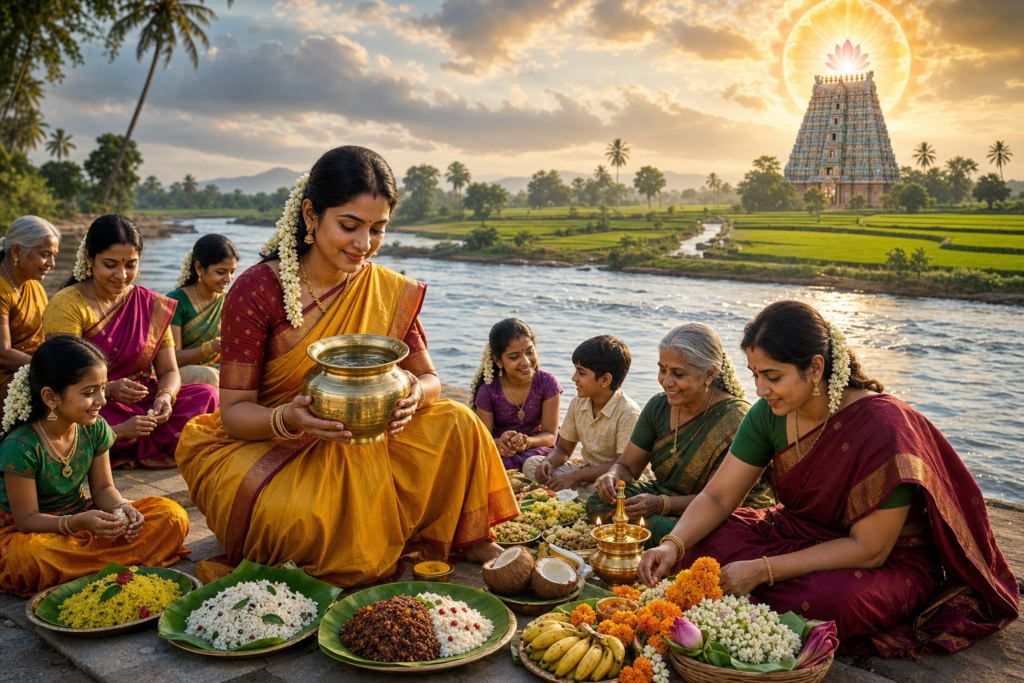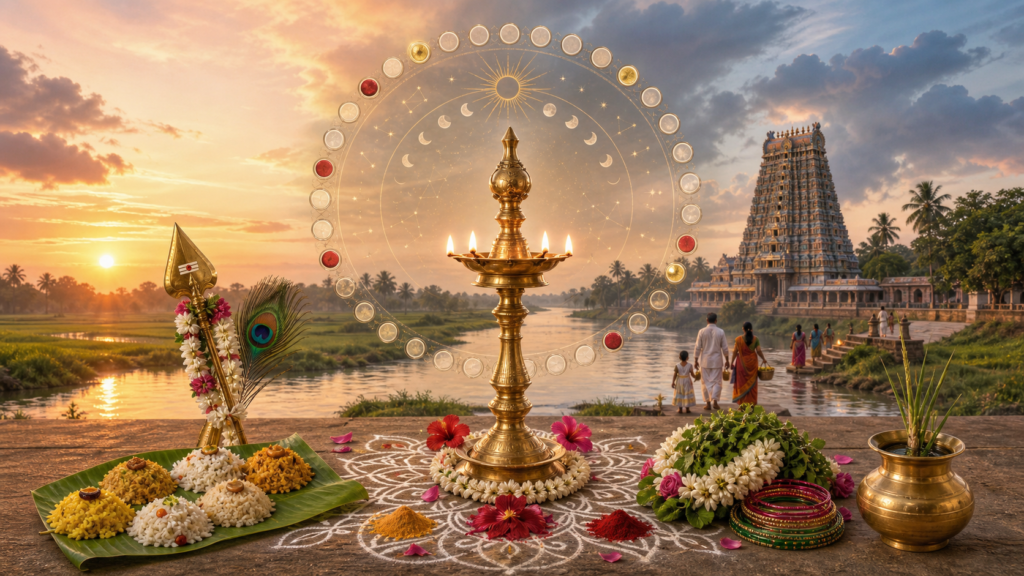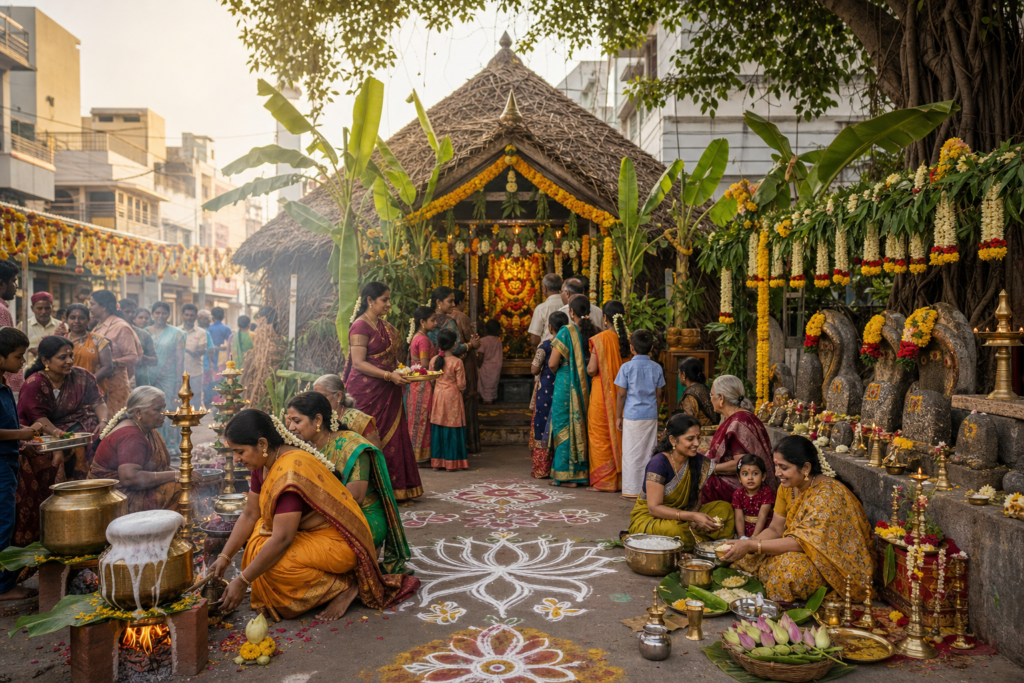
Shraddha, the obsequial rite in Hinduism, is a sacred practice intended to honor ancestors (pitrs), sustain their wellbeing, and deepen gratitude for lineage. Within this broad ritual landscape, Jivat Shraddha (also rendered as jivashraddha) refers to a distinctive observance in which a living person performs Shraddha on one’s own behalf. Rather than imitating funeral rites, it serves as a contemplative, dharmic act of accountability, humility, and preparedness grounded in the awareness of impermanence (anitya).
In the Dharmashastra and later ritual digests (nibandhas), discussions of Jivat Shraddha appear in specific, context-bound ways. It is typically linked to major life transitionssuch as entering vanaprastha or sannyasa, undertaking an unusually perilous journey, atoning for neglected duties (prāyaścitta), or addressing the absence of an available heir. Across lineages, the intent remains consistent: to acknowledge mortality, resolve obligations, and reorient life toward dharma with sincerity and clarity.
While procedures vary by sampradaya and region, Jivat Shraddha often mirrors elements of conventional Shraddha in a carefully guided, symbolic form. A practitioner may undertake sankalpa (vow of intent), offer tarpana (libations), and perform pind daan in a manner aligned with the family’s grihya traditions, always under the guidance of a competent purohit. Some lineages restrict or discourage Jivat Shraddha outside of well-defined contexts; therefore, alignment with kula (family) customs, consultation with elders, and adherence to established paddhatis are essential.
The ethical and spiritual rationale is clear. By ritually confronting impermanence, practitioners cultivate detachment (vairagya), gratitude for ancestors, and renewed commitment to dharma. Many report psychological benefits as well: a felt sense of closure, reconciliation within family relationships, and a calmer, steadier life-orientation. In this way, Jivat Shraddha functions less as a funeral rehearsal and more as a profound samskara-like purification for one’s ongoing life.
At the same time, regional sentiments differ. In several communities, casual performance of Jivat Shraddha is considered inauspicious or unnecessary. Responsible practice prioritizes intention (bhava) over mere form. Alternativessuch as intensified seva toward parents and elders, dana (charity), daily tarpana during Pitru Paksha, and dedicated study of scripturesmay embody the same spirit of remembrance and duty without invoking a specialized rite.
Placed within the wider Dharmic family, the core ethic of honoring ancestors resonates across traditions. Buddhism preserves remembrance through observances akin to Ullambana and Obon; Jainism emphasizes atonement and remembrance during Paryushan; Sikh practice affirms collective prayer (Ardas) and seva in memory of the departed. These diverse expressions underline a shared commitment to gratitude, compassion, and continuityvalues that strengthen unity among Hinduism, Buddhism, Jainism, and Sikhism while respecting distinct paths.
In contemporary settingsparticularly within the diasporaquestions arise about timing, ecological responsibility, and authenticity. When Jivat Shraddha is advised, practitioners often align observance with auspicious Shraddha days and choose simple, eco-conscious offerings consistent with ahimsa. Clear guidance from a learned priest, sensitivity to family sentiments, and adherence to one’s inherited tradition help avoid superstition and ensure that the rite remains a dignified, meaning-rich practice.
Ultimately, Jivat Shraddha in Hinduism is rare, purposeful, and deeply introspective. It neither replaces standard ancestral rites nor prescribes a universal obligation. When undertaken with scriptural literacy, qualified guidance, and a sincere heart, it can become a powerful act of self-responsibilityclarifying values, healing relationships, and strengthening resolve to live the remainder of life in alignment with dharma.
Inspired by this post on Hindu Blog.