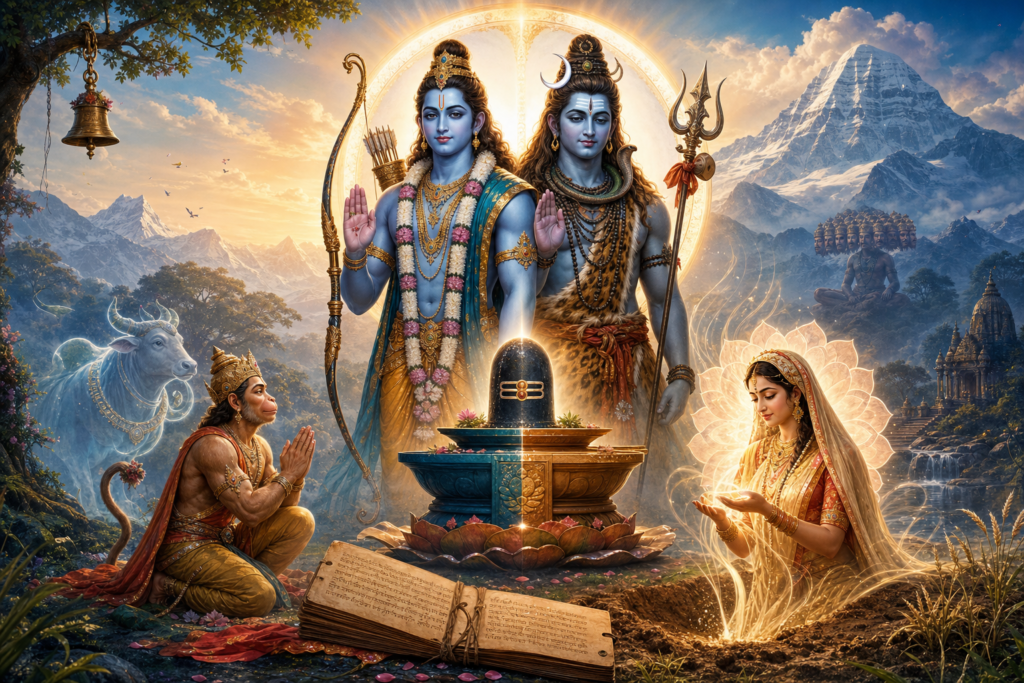
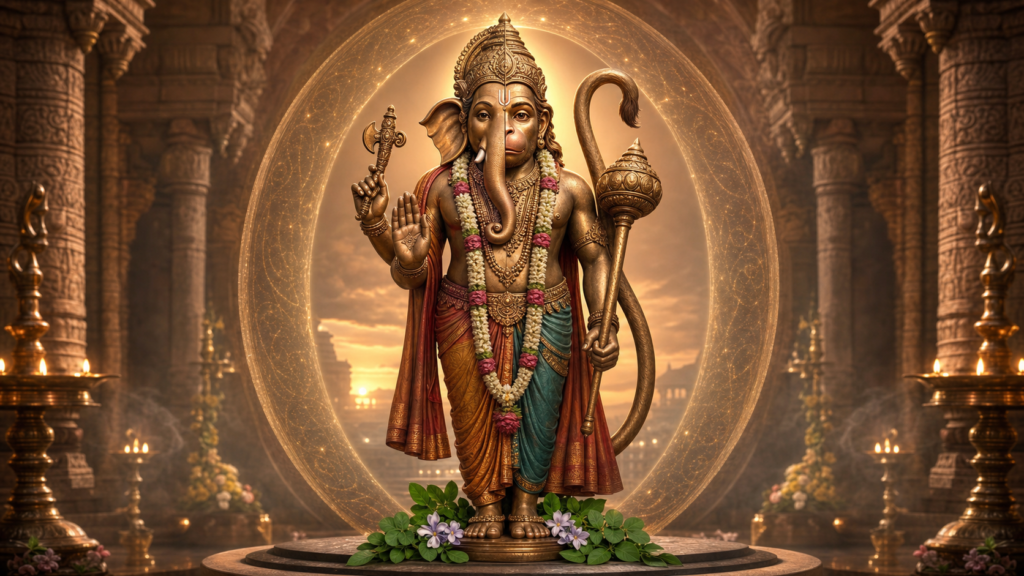
Shodasha Dina Sundarakanda Parayanam is scheduled at Vasantha Mandapam, Tirumala, from November 28 to December 13, 2025, under the auspices of Tirumala Tirupati Devasthanam (TTD). The 16-day recitation tradition centers on the Sundara Kanda of the Ramayana, revered for invoking courage, devotion, and inner steadiness through the exemplary life of Hanuman.
As part of this programme, Ankurarpanam will be performed on November 27 between 7 PM and 8 PM at Dharmagiri Veda Vignana Peetham. This sacred sowing rite signifies auspicious beginnings and is observed as an invocation for the successful and uninterrupted conduct of the Parayanam.
During the Parayanam, a structured daily recitation is planned in the morning hours, enabling pilgrims and residents to participate with focused attention and devotional discipline. The steady cadence of collective chanting is known to cultivate mental clarity, emotional balance, and a profound sense of communal harmony.
Across Tirumala, devotees frequently describe Sundarakanda Parayanam as a spiritually grounding experience. The narrative’s emphasis on bhakti, service, and resilience invites participants to reflect on personal challenges with composure while drawing strength from the devotion and fearlessness exemplified by Hanuman. Many find that even brief attendance enhances mindfulness and nurtures inner peace.
The Parayanam also reflects a shared dharmic ethos. Recitation, contemplation, and ethical living are practices cherished across Hindu, Buddhist, Jain, and Sikh traditions, fostering unity through disciplined remembrance, compassion, and self-cultivation. In this way, the event not only honors the Ramayana’s sacred wisdom but also contributes to inter-traditional harmony rooted in common values.
Pilgrims planning to attend may benefit from arriving early, maintaining meditative silence, and carrying only essentials to preserve the sanctity of the space. Observing customary decorumsuch as switching mobile devices to silent mode and following volunteer guidancesupports a smooth and participatory experience for all.
Participants are encouraged to follow official TTD updates for any operational advisories or schedule refinements. With its clear schedule, revered setting at Vasantha Mandapam, and emphasis on collective devotion, the 2025 Sundarakanda Parayanam offers an accessible opportunity to engage in disciplined remembrance and deepen spiritual focus.
Inspired by this post on Hindu Pad.