Penuganchiprolu and its surroundings present a serene cluster of sacred spaces that attract pilgrims, heritage enthusiasts, and travelers seeking quiet reflection. Notable temples in this circuit include the Tirupatamma Temple, Vedadri Lakshmi Narasimha Swamy Temple, Tirumalagiri Venkateshwara Swamy Temple, Muktyala Mukteshwara Swamy Temple, and Nemali Venugopala Swamy Temple. Together, these shrines form an accessible and meaningful itinerary along the Krishna River region in Andhra Pradesh.
The Tirupatamma Temple in Penuganchiprolu is widely revered for its living traditions, community participation, and rhythmic calendar of local observances. Devotees often describe the atmosphere as simultaneously devotional and welcoming, with rituals that highlight continuity between everyday life and sacred practice. The temple’s prominence makes it a natural starting point for exploring neighboring sites.
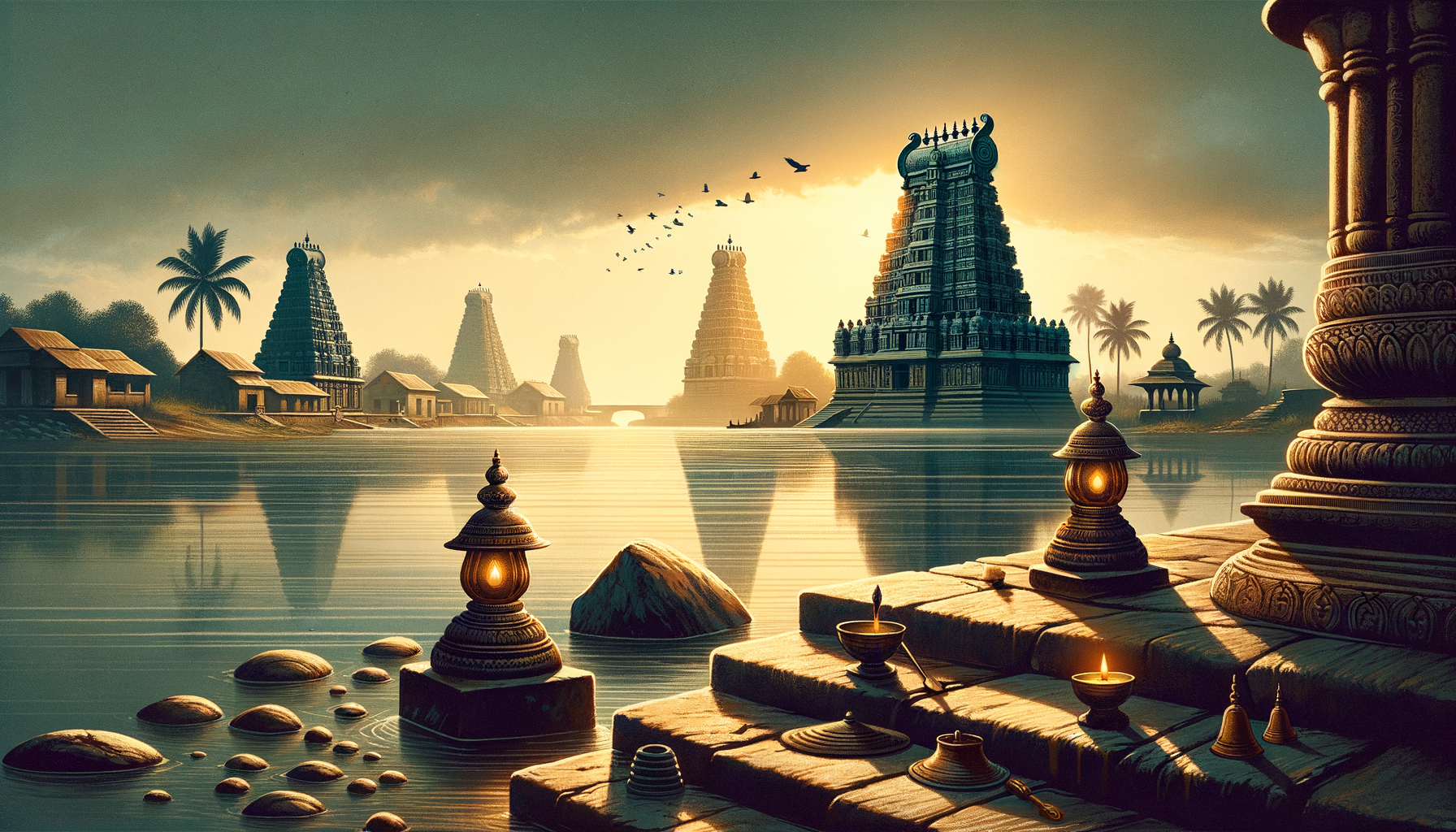
The Vedadri Lakshmi Narasimha Swamy Temple, also known for the worship of Sri Yogananda Lakshmi Narasimha Swamy, stands on the banks of the Krishna River, approximately 10 km from Jaggaiahpeta. The riverine landscape enhances the contemplative experience, and the temple’s iconography offers a study in Vaishnava devotion centered on Narasimha’s protective grace. Visitors frequently note how the slow flow of the Krishna frames the temple’s silhouette, heightening a sense of peace.
At the Tirumalagiri Venkateshwara Swamy Temple, the emphasis on devotion to Vishnu as Venkateshwara brings out themes of perseverance, humility, and service. The site’s tranquil surroundings and steady cadence of sevas invite unhurried visits, allowing time to observe temple architecture, listen to recitations, and appreciate the ethos of disciplined worship that characterizes many temples in the region.
The Muktyala Mukteshwara Swamy Temple reflects Shaiva traditions associated with liberation (moksha). Its riverside proximity and understated charm encourage quiet contemplation. Pilgrims often combine a stop here with Vedadri, noting the complementary experience of visiting both Vaishnava and Shaiva shrines in a single journeyan approach that resonates with the inclusive spirit of dharmic practice.
The Nemali Venugopala Swamy Temple venerates Krishna as Venugopala, the flute-playing cowherd. The deity’s iconography emphasizes beauty, compassion, and the harmonizing power of divine music. The rural ambience around Nemali adds to the temple’s appeal, creating a setting where visitors can reflect on the pastoral imagery central to many Krishna narratives.
Travelers routinely remark that this circuit fosters a shared sense of reverence that is meaningful across dharmic traditionsHinduism, Buddhism, Jainism, and Sikhismthrough common values such as compassion, non-violence, self-discipline, and respect for sacred spaces. The welcoming nature of these sites encourages intercultural appreciation while affirming unity in spiritual diversity.
Practical planning is straightforward: begin at Penuganchiprolu for Tirupatamma Temple, proceed to the Krishna riverside at Vedadri for the Lakshmi Narasimha Swamy Temple, and then include stops at Tirumalagiri, Muktyala, and Nemali as time permits. With many shrines situated within a comfortable drive of one another, a well-paced day or weekend visit allows space for darshan, quiet study of temple architecture, and participation in routine worship.
Respectful conduct enhances every visit. Modest attire, mindful photography, and attentiveness to temple protocols preserve the sanctity of these spaces. Community interactionssuch as listening to local histories and observing daily ritualsdeepen cultural understanding and strengthen bonds across visitors and residents.
Taken together, these temples near Penuganchiprolu offer a calm, enriching pilgrimage experience along the Krishna River. The itinerary rewards those seeking spiritual depth, cultural heritage, and the gentle assurance that dharmic unity thrives in shared reverence and everyday devotion.
Inspired by this post on Hindu Pad.