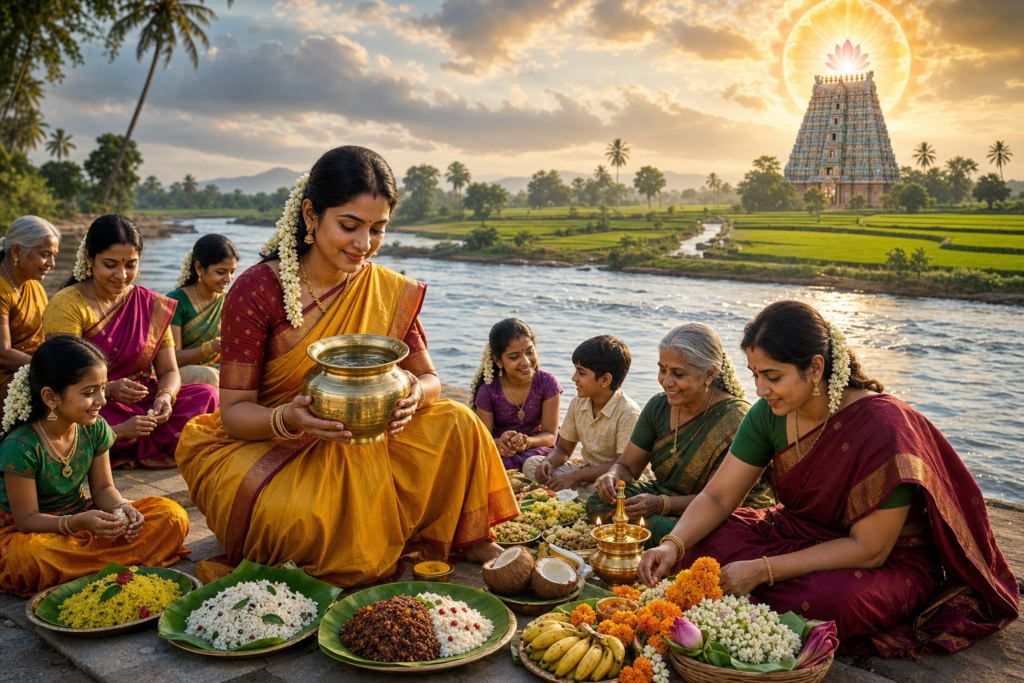
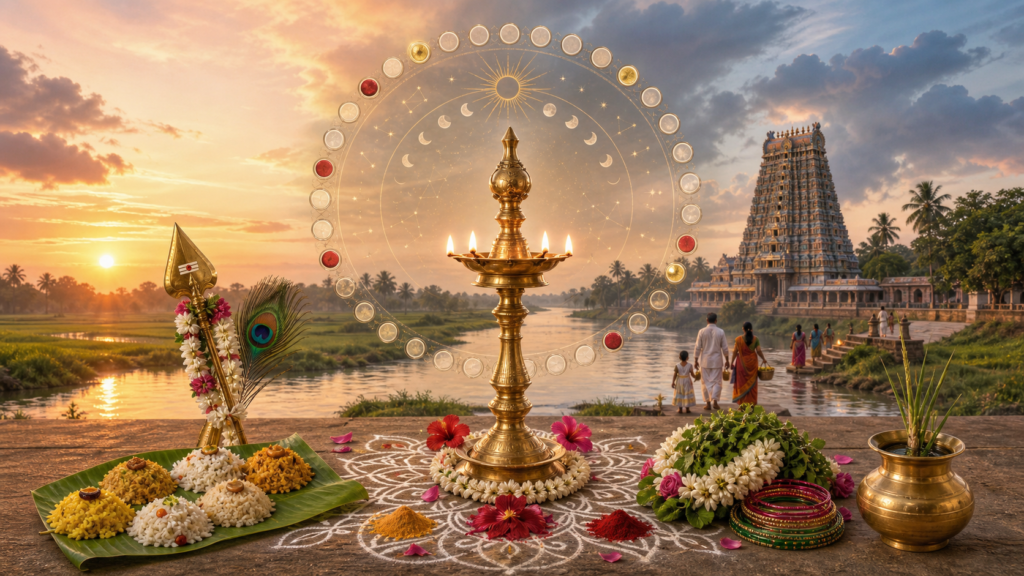
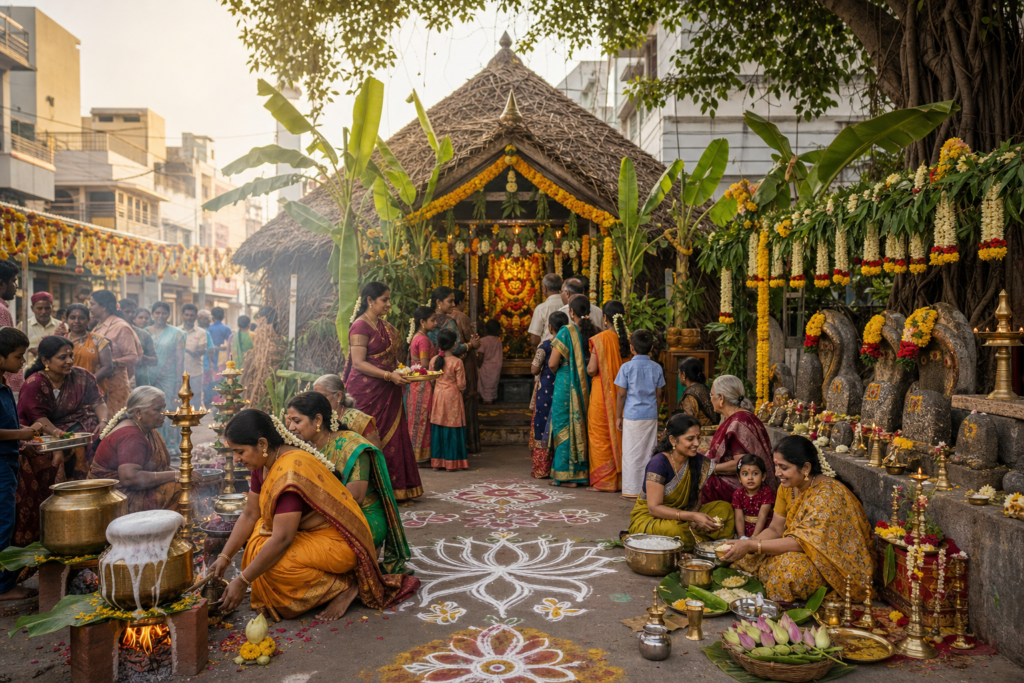
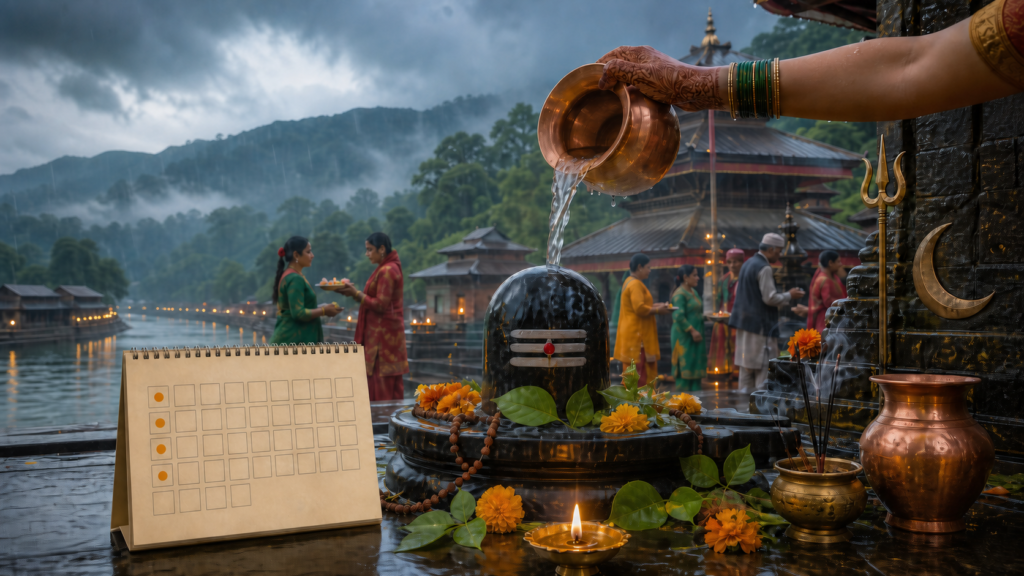
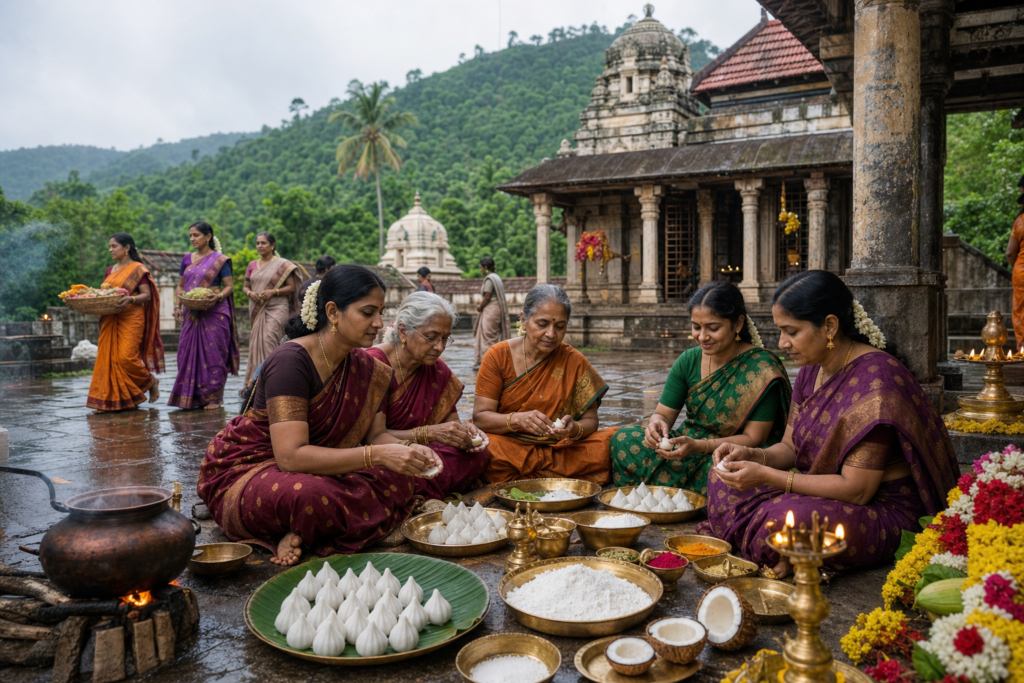
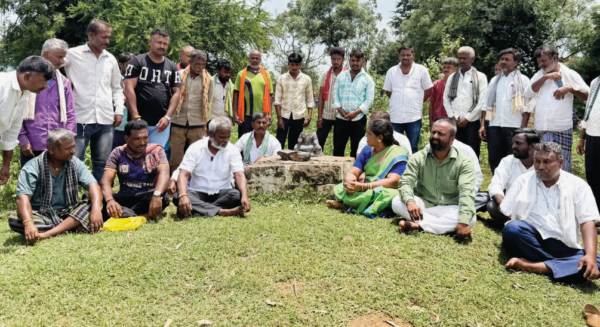
Doshams are traditionally understood as karmic imprints that manifest as obstacles in health, relationships, livelihood, and inner peace. Within the dharmic worldview, these imprints are amenable to mindful correction through prayer, service, ethical living, and ritual observances. In this context, “Dosha Nivarana” Poojas are undertaken as acts of purification and alignment rather than fear-based appeasement, reinforcing the shared dharmic emphasis on compassion, self-cultivation, and harmony.
Commonly addressed doshams include Navagraha Dosham (planetary afflictions affecting timing and outcomes), Pitru Dosham (ancestral imbalances reflected in family patterns), and Sarpa Dosham (serpent-related karmic obstacles, often associated with lineage and land energy). Devotees frequently report that thoughtful observancecombined with satvika conduct, japa, and danacreates measurable calm, clarity, and renewed momentum in daily life.
Across India, several temples are renowned for Dosha Nivarana Poojas and related remedies (parihara). Visiting these kshetras is a form of tirtha-yatra that complements personal sadhana, graha shanti practices, and ancestral rites. The following sites are frequently sought for their time-tested traditions and priestly guidance.
Sri Kalahasteeswara Temple, Srikalahasti (Andhra Pradesh): Widely regarded for Rahu–Ketu Dosha Shanti and Kala Sarpa Dosha parihara. The Rahu–Ketu Pooja, often performed during Rahu Kalam, is undertaken with a clear sankalpa and adherence to temple procedure.
Kukke Subramanya Temple (Karnataka): Revered for Sarpa Dosha remedies such as Sarpa Samskara and Ashlesha Bali. Pilgrims undertake these rites under qualified priestly supervision to address lineage-related obstacles and to restore familial harmony.
Navagraha Circuit near Kumbakonam (Tamil Nadu): The famed clusterSuriyanar Koil (Surya), Thirunallar (Shani), Thirunageswaram (Rahu), Alangudi (Guru), Kanjanoor (Sukra), Thingalur (Chandra), Vaitheeswaran Koil (Angaraka), Keezhaperumpallam (Ketu), and associated shrinessupports Navagraha Dosham remedies. Devotees typically align visits with astrological guidance and temple timings for maximal graha shanti.
Trimbakeshwar (Maharashtra): Known for Kaal Sarp Dosh Puja, Narayan Nagbali, and Pitru Shanti. These ceremonies address both planetary configurations and ancestral debts, with emphasis on precise vidhi and post-ritual observances.
Gaya (Bihar): The Vishnupad Temple and Falgu River are central to Pind Daan and Pitru Tarpan. Many families observe these rites to honor forebears and seek balance in intergenerational patternsan ethical act that resonates with the dharmic principle of gratitude.
Rameswaram (Tamil Nadu): Pitru Tarpanam at Agni Theertham and worship of the sacred Shivlinga are undertaken for ancestral peace and inner purification. The sequence of snana, sankalpa, tarpanam, and darshan is performed with care and humility.
Mannarasala Sree Nagaraja Temple (Kerala): Associated with serpent-related remedies and blessings for lineage welfare. Offerings here are accompanied by prayers for ecological balance and household wellbeing, reflecting an integrated dharmic view of nature and family.
Beneficial approach and preparation are as important as the venue. Consultation with a competent priest or astrologer, a clear sankalpa, and adherence to temple code of conduct uphold ritual integrity. Complementary practicessuch as daily japa, mindful living, seva, and eco-conscious offeringsdeepen the transformative effect beyond the ceremony itself.
Pilgrims often describe a palpable lightness after Dosha Nivarana Poojas: smoother decision-making, fewer delays, improved family rapport, and steadier inner focus. These outcomes are best sustained by cultivating sattvatruthfulness, restraint, compassion, and disciplined practiceaffirming the shared dharmic principle that outer rites must be anchored in inner refinement.
In spirit and method, these observances align with the unity of dharmic traditionsvaluing karma, self-improvement, and compassion. Whether oriented to Navagraha Dosham remedies, Pitru Dosha puja, or Sarpa Dosha parihara, the intent remains common: to reduce suffering, to restore harmony, and to live responsibly with others and the natural world.
Inspired by this post on Hindu Pad.