Pavitraropana Vrata stands as a revered Hindu ritual that renews sacred order within temples and homes by adorning the deity with the pavitra, a sanctified thread or cord. Rooted in the ritual sciences of the Agamas and referenced in Purana traditions such as the Skanda Purana and Padma Purana, the observance functions as a formal expiation and rectification ceremony (prayaścitta) for inadvertent omissions and ritual lapses (doṣa) that may have occurred over the year.
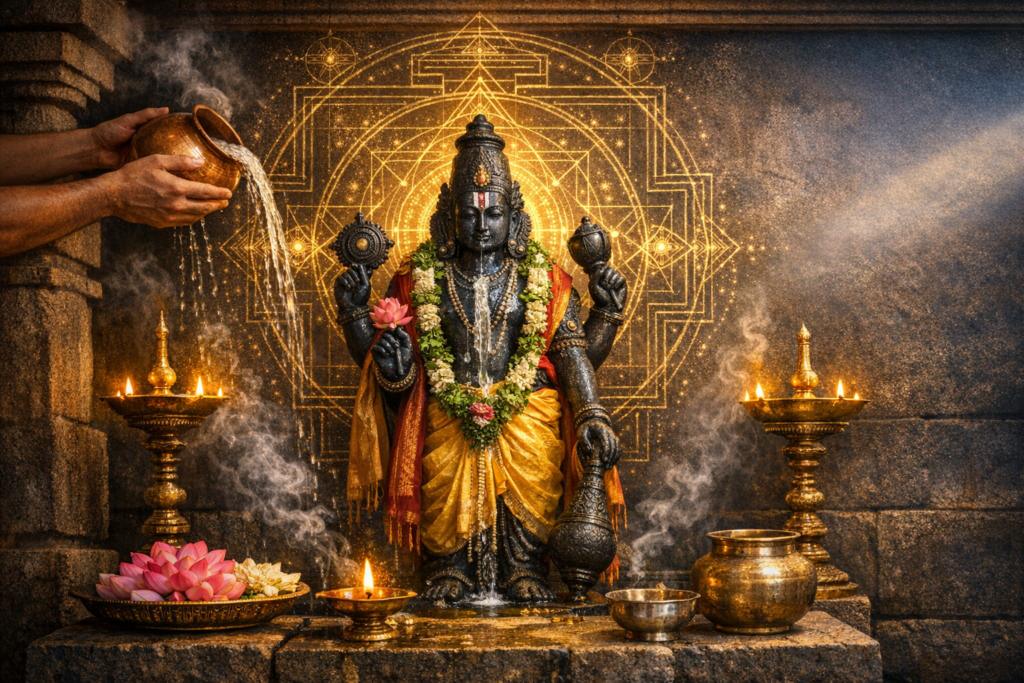
Etymologically, pavitra signifies “that which purifies.” In practice, the pavitra—often a looped cotton or wool thread—is consecrated through mantras and homa, then ceremonially invested upon the mūrti (and often upon utsava murtis and key temple icons). This act symbolizes the cleansing of ritual impurity, the restoration of cosmic order (ṛta), and the reaffirmation of dharma within the community’s shared spiritual life.
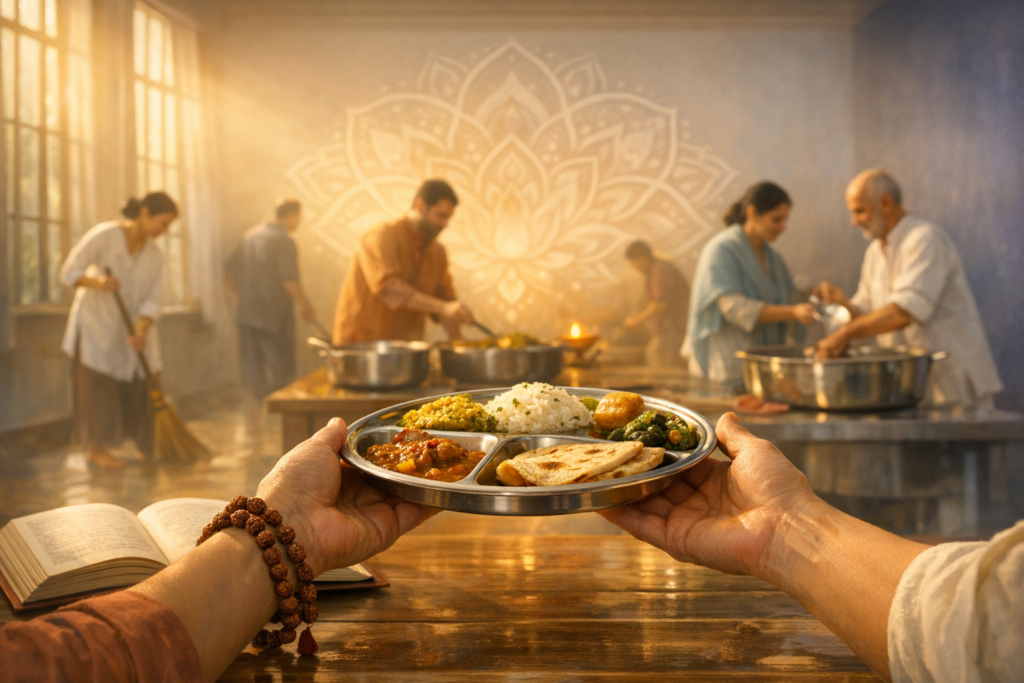
Across many temples, Pavitraropana Vrata is observed annually, frequently during Śrāvaṇa (August–September), though dates vary by regional calendars and temple traditions. The vrata typically includes saṅkalpa (ritual intention), pūrvakarma (preliminary purification), mantra-japa, homa, the sanctification of the pavitra, and the culminating adornment of the deity. A concluding procession, distribution of prasāda, and acts of dāna integrate communal participation with the rite’s purificatory aim.
Ritual theory in Hindu practice recognizes that even vigilant worship can be affected by human limitations—minor mispronunciations, timing discrepancies, or procedural variations. Pavitraropana Vrata addresses these realities with humility and precision, offering a structured method of doṣa-nivāraṇa (removal of ritual defects). The pavitra thus becomes both symbol and instrument: it outwardly marks renewal while inwardly prompting ethical self-audit and resolve.
Devotees frequently describe a palpable sense of emotional release and hope when the pavitra is invested upon the deity. Families often take this occasion to renew daily worship, recommit to truthful speech, compassion, and restraint, and cultivate steadiness in mantra and meditation. In this way, the ritual’s visible actions resonate as inner vows, aligning personal conduct with the values of Sanatan Dharma.
From an academic perspective, Pavitraropana Vrata is notable for its synthesis of theology, liturgy, and community ethics. The rite integrates Vedic and Agamic elements—mantra, homa, and prayaścitta—while situating purification as a collective responsibility. It underscores that sacred maintenance (nitya-śraddhā) is not merely procedural but relational: between devotee and deity, priest and laity, and the temple and its wider society.
Comparable themes of purification, introspection, and renewal are cherished across dharmic traditions. In Buddhism, communal observances such as Uposatha emphasize ethical recommitment; in Jainism, practices like Pratikraman center on repentance and restitution; Sikh traditions foster introspection through Ardas and seva. While liturgical forms differ, the shared orientation toward moral clarity, harmony, and service reflects a unifying ethos in the spiritual landscape of South Asia.
In temple contexts, Pavitraropana Vrata also functions as institutional self-care. It provides a calendrical checkpoint for reviewing the quality of daily services (nitya-kainkarya), safeguarding textual fidelity, and renewing priestly discipline. When performed with adherence to śāstra and sensitivity to local sampradāya, the ceremony strengthens trust, preserves heritage, and nurtures intergenerational continuity.
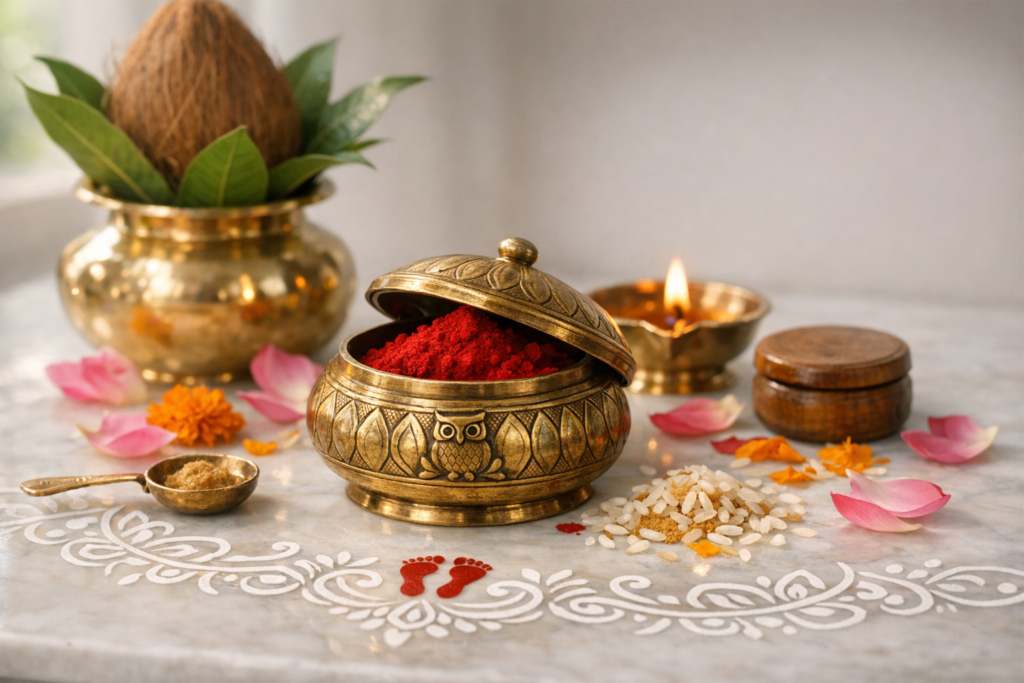
Key elements of observance typically include: ritual bathing and space purification; establishment of the kalasha; recitation of purificatory mantras; homa for doṣa-nivāraṇa; sanctification of the pavitra; adornment of the deity and associated icons; and communal participation through dāna and prasāda. Each step advances a movement from external orderliness to internal alignment—an interplay at the heart of Hindu rituals of purification.
Ultimately, Pavitraropana Vrata communicates a timeless message: renewal is both a sacred responsibility and a communal joy. By combining precise liturgy with compassionate intent, it invites devotees to transform acknowledgment of imperfection into a disciplined path of improvement—thereby reinforcing unity, cultivating virtue, and celebrating the living continuity of Hindu rituals.
Inspired by this post on Hindu Blog.