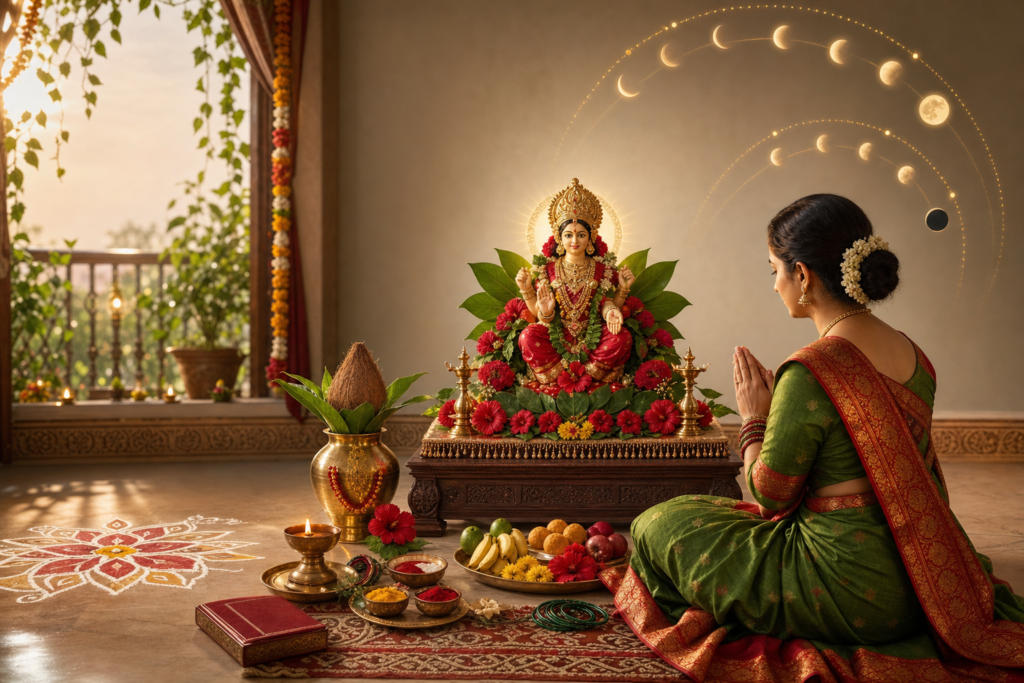
Panguni masam (also spelled Pankuni) is the twelfth and concluding month of the Tamil Calendar (Tamil Panchangam, Nalla Neram). In 2026, Panguni begins on March 15 and ends on April 13. The month corresponds broadly to the sidereal solar transit of the Sun through Meena (Pisces) and aligns, in cultural memory, with Phalguna in several other Hindu calendrical systems. As the year’s closing chapter in the Tamil reckoning, Panguni carries a distinctive sense of completion, gratitude, and readiness for renewal with Chithirai and Puthandu that follow immediately after.
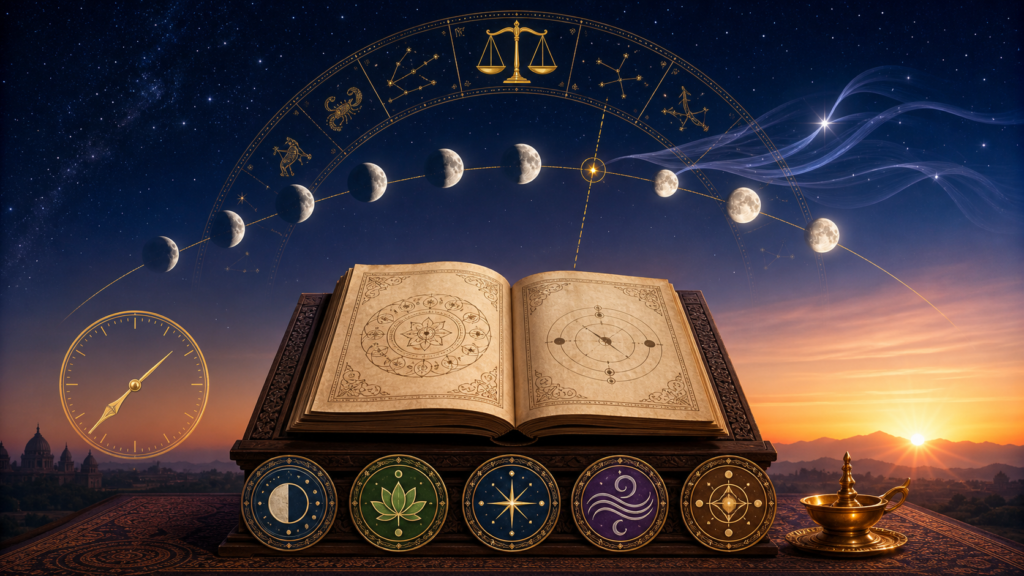
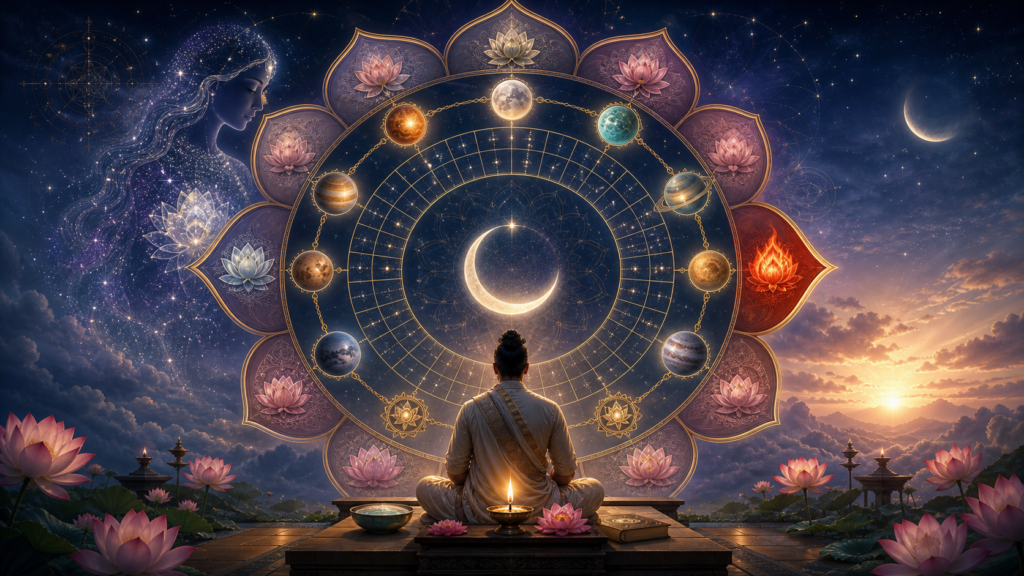
The Tamil Panchangam is a sidereal, solar-based system (nirayana) in which months commence at sankrantithe moment the Sun enters a new rashi (zodiac sign). Panguni begins with Meena Sankranti and concludes just before Mesha Sankranti. Most Tamil Panchangam computations in use today adopt the Lahiri ayanamsa for sidereal anchoring. Because month-start and observance days are assigned by local sunrise inclusion rules, dates can differ slightly by geography; thus, households outside Tamil Nadu may observe some markers a day earlier or later than those noted for Chennai.
While Tamil months are solar, festival observances inside them often reference the lunar elements of the broader Hindu Panchangtithi (lunar day), nakshatra (lunar mansion), yoga, and karanaalongside daily windows such as Nalla Neram. This synthesis allows devotees to harmonize temple festivals with personal vrata, puja, and samskara timing under a single cultural umbrella.
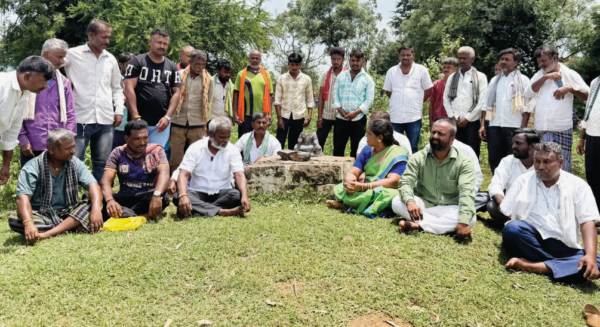
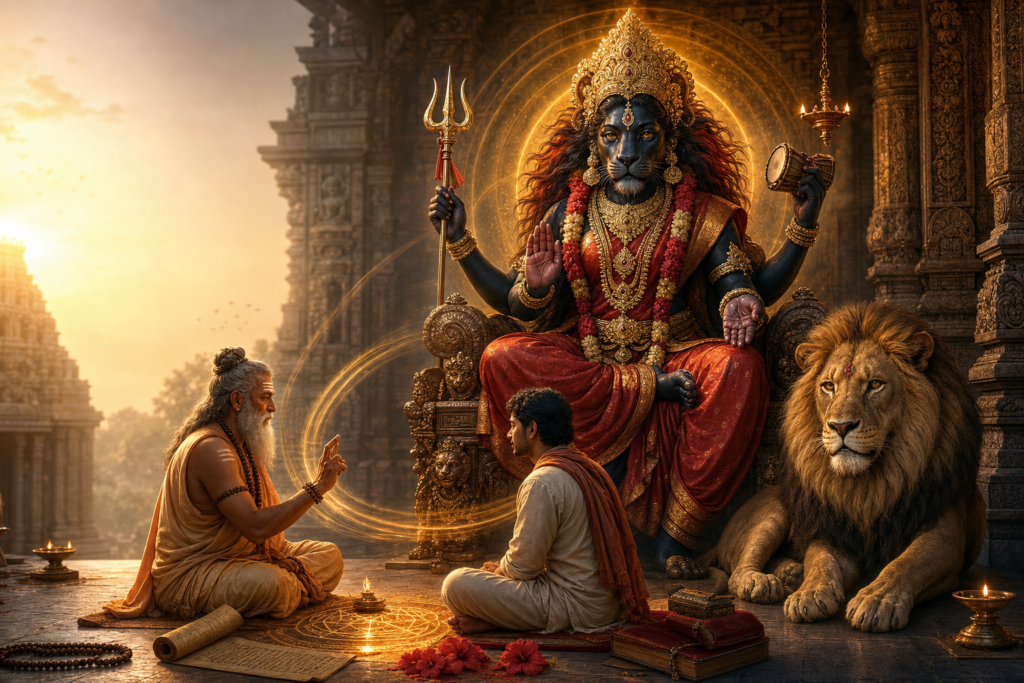
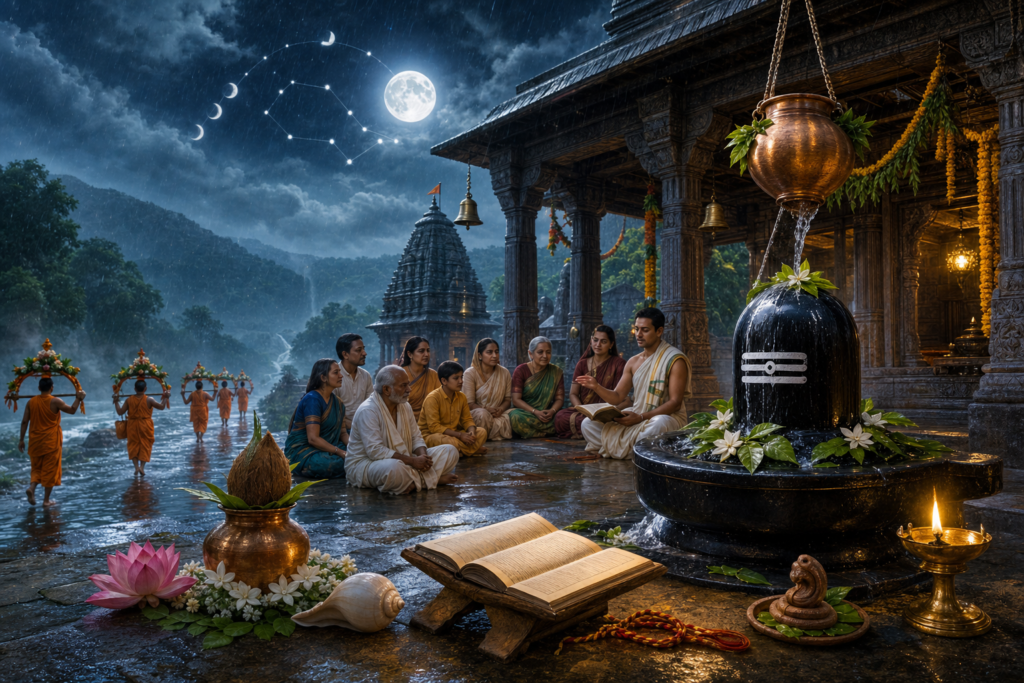
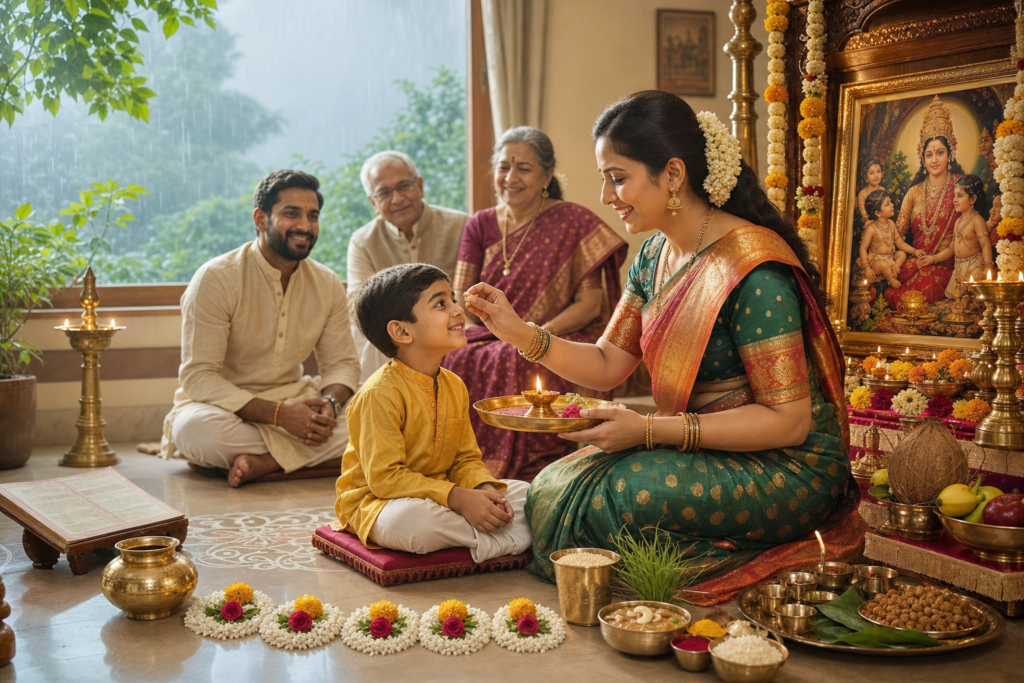
The hallmark observance of Panguni is Panguni Uthiram, the full-moon day in Panguni when the Moon conjoins Uthiram (Uttara Phalguni) nakshatra. Textual and temple traditions recall this as a sacred time of kalyana-sambandhamthe divine marriages of deities such as Shiva–Parvati and Subrahmanya (Murugan)–Deivayanai (with Valli veneration also cherished in many shrines). Families across Tamil Nadu and the diaspora use the occasion to renew marital vows, pray for harmony, and seek blessings for household stability and community cohesion.
In Chennai, the Kapaleeswarar Temple’s Panguni Peruvizha unfolds across multiple days, culminating in the famed Arubathimoovar procession honoring the sixty-three Nayanmars. The festival integrates ratha (car) processions, alankaram (iconic adornments), music, and community service, offering a living classroom in Saiva ritual and social dharma. The Peruvizha’s cadencekodiyetram (flag hoisting), daily utsavams, and grand street processionsembodies how temples anchor urban culture, memory, and ethical life.
At Srirangam, Panguni Uthiram is celebrated with special kalyana utsavams to Sri Ranganathar and Sri Ranganayaki Thayar, accompanied by richly choreographed processions and recitations. The festival emphasizes the ideal of divine companionship as a model for household virtue and social concord, a theme that resonates with broader dharmic teachings on seva, fidelity, and shared wellbeing.
Across the six abodes of MuruganPalani, Tiruchendur, Swamimalai, Thiruthani, Pazhamudircholai, and ThiruparankundramPanguni Uthiram draws large congregations. Vows, kavadi offerings, abhishekam, and archana reflect a disciplined inner journey matched by outer acts of devotion. The vow-keeping (vrata) dimension underlines a perennial insight of dharmic traditions: steady practice (abhyasa), self-restraint (dama), and loving service (seva) transform intention into character.
In addition to Panguni Uthiram, the month contains its regular cycle of observances: Panguni Pournami (full moon), Amavasya (new moon), Pradosham (twice each lunar month), Sankashti Chaturthi, Sashti dedicated to Subrahmanya, and the two Ekadashi vratas esteemed by Vaishnava sampradayas. While these observances are pan-Indic, their lived expression in Tamil Naduthrough temple visits, anna-dana, and collective singing or recitationgives Panguni a texture of both intimacy and public celebration.
Nalla Neram in the Tamil Panchangam denotes daily auspicious windows derived from the Gowri Panchangam segments (such as Amrit, Siddha, and Shubha), after excluding inauspicious spans like Rahu Kalam, Yamagandam, and Gulika Kalam. For rituals, travel starts, or family ceremonies in Panguni, selecting a Nalla Neram that also respects favorable tithi and nakshatra yields balanced outcomes. Care should be taken to use a locally computed Tamil Panchangam so that sunrise-based calculations align with one’s actual location.
Seasonally, Panguni straddles the northern spring and the approach of early summer in South India. The vernal equinox usually falls inside this month, a natural marker that synchronizes religious life with environmental rhythms. In Jyotisha terms, the Sun’s residence in Meena (a jala, or water sign) is traditionally associated with completion, interiorization, and compassionate servicean apt prelude to Mesha’s (Aries) forward-moving energy in Chithirai.
Panguni’s timeline also intersects, in many years, with wider dharmic milestones across the subcontinentsuch as the period around Holi and Hola Mohalla and, at times, Mahavir Jayantiencouraging shared reflections on courage (virya), nonviolence (ahimsa), and community seva esteemed in Hinduism, Buddhism, Jainism, and Sikhism. This seasonal constellation of festivals nurtures a practical unity-in-diversity: distinct liturgies and lineages, yet convergent ethical aspirations.
For 2026 planning, note the following anchors: Panguni begins on March 15 (Meena Sankranti) and ends on April 13, the eve of Mesha Sankranti and Chithirai. Because temple schedules are set locally, festival dates and muhurta can shift by a day across regions and time zones. Devotees, especially in the global Tamil diaspora, benefit by consulting a city-specific Tamil Panchangam to confirm Panguni Uthiram’s full-moon alignment with Uthiram nakshatra and to select appropriate Nalla Neram for home vratas and pujas.
Viewed holistically, Panguni Masam 2026 offers an integrated canvas for temple participation, family vows, and personal sadhana. Its concluding character invites gratitude for the year completed and intentionality for the new cycle beginning with Puthandu 2026. Whether in the bustling lanes of Mylapore or in diaspora communities continents away, Panguni’s blend of precise calendrical science and living devotion sustains cultural memory, ethical clarity, and a shared dharmic future.
Inspired by this post on Hindu Pad.