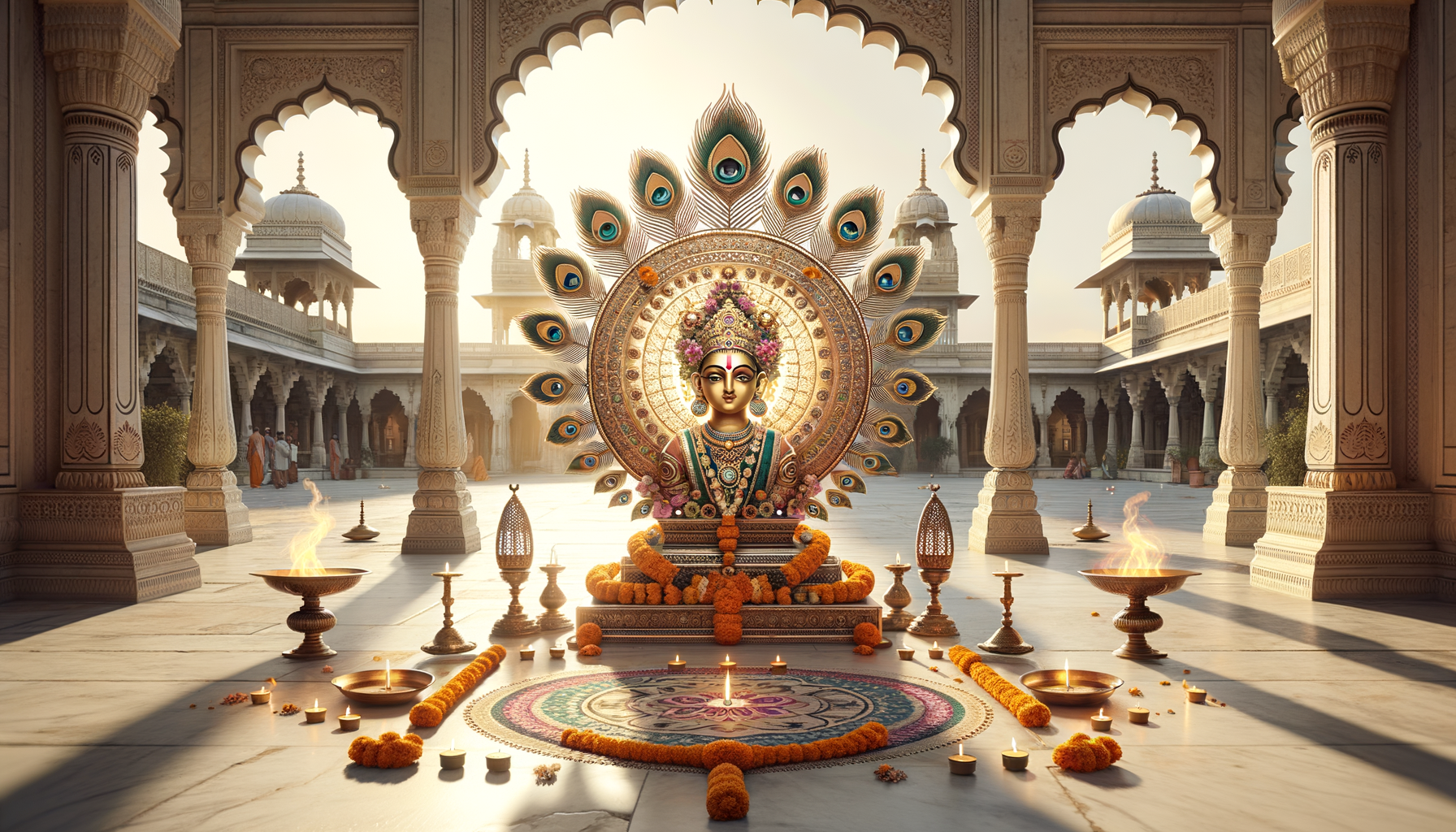
Khatushyam, revered as Shyam Baba, is venerated as the Kaliyuga saviour by devotees across Rajasthan and Gujarat. Identified with Barbarika, the mighty son of Ghatotkacha and Mourvi and thus a descendant of Bhima, this deity is also known regionally as Khatushyamji and Baliyadev. The devotion surrounding Khatushyam integrates lineage, legend, and living practice, anchoring a powerful tradition within the wider Bhakti heritage of Hinduism.
According to Mahabharata-based regional traditions, Barbarika vowed to support the weaker side in the Kurukshetra War, embodying compassion and fairness. Sri Krishna, foreseeing unending conflict if the weaker side were continually reinforced, requested Barbarika’s head as a supreme offering. Barbarika complied, and Krishna granted the boon that his name and presence would be worshipped in Kaliyuga as Shyam. This narrative, cherished in oral and textual memory, situates Khatushyam at the heart of ethical reflection on courage, surrender, and dharma.
The temple at Khatu in Sikar district, Rajasthan, stands as the principal center of Khatushyam worship. Pilgrims gather in large numbers, particularly during the Phalguna festivities, to seek blessings, offer aarti, chant kirtans, and make sankalpa for protection and prosperity. In Gujarat, the same divinity is widely worshipped as Baliyadev, reflecting a shared devotional current across regions. These practices demonstrate how Mahabharata memory translates into living ritual, community cohesion, and cultural heritage.
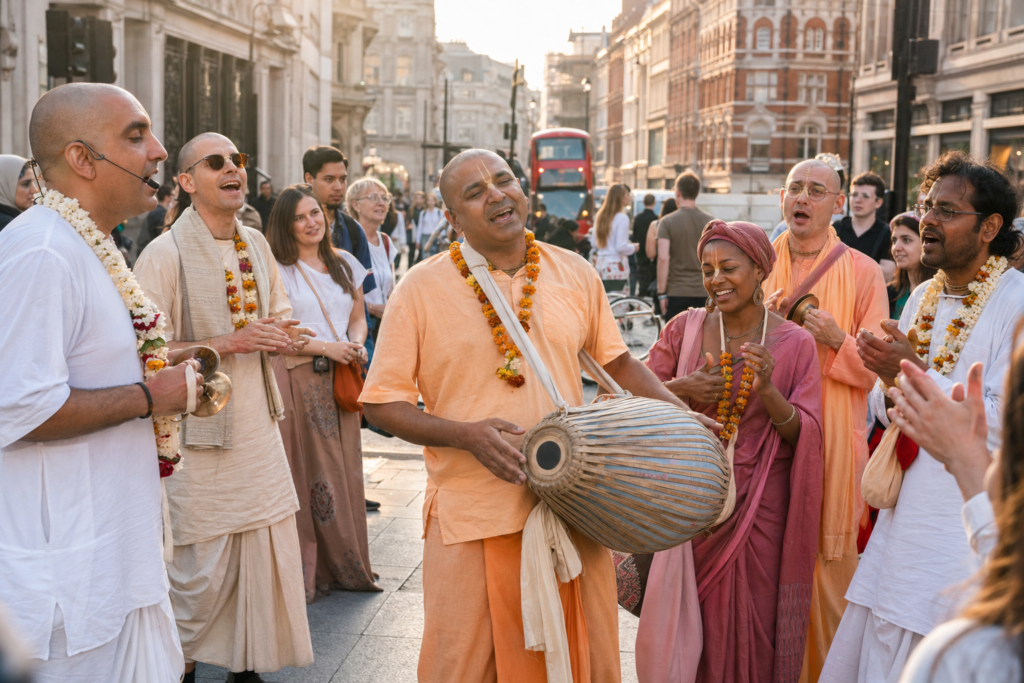
Devotees often describe a palpable sense of refuge and reassurance in the presence of Shyam Baba, summarized in heartfelt invocations such as “जय श्री श्याम.” The devotional mood centers on humility, trust, and moral clarityvalues celebrated across the broader dharmic family. The ethos of compassion, valor, selfless service, and ethical restraint resonates with the shared principles found in Hinduism, Buddhism, Jainism, and Sikhism, reinforcing a unifying vision that honors diverse spiritual journeys.
As an interpretive symbol, Barbarika’s offering of his head signifies the surrender of ego and the primacy of dharma-guided discernment. Krishna’s bestowal of the name “Shyam” and the promise of Kaliyuga veneration highlight an enduring assurance: divine grace remains accessible to sincere seekers. The narrative invites reflection on how justice must be coupled with wisdom, and how compassion finds its true measure in outcomes that uphold harmony and righteousness.
For those engaging with Khatushyam’s tradition, exploring Mahabharata episodes related to Barbarika, participating in temple darshan at Khatu, and practicing mindful remembrance through kirtan and aarti can deepen understanding. These pathways, while rooted in Hindu Bhakti, also illuminate shared dharmic idealsencouraging dialogue, mutual respect, and unity across traditions that prize ethical living and inner transformation.
Inspired by this post on Hindu Pad.