
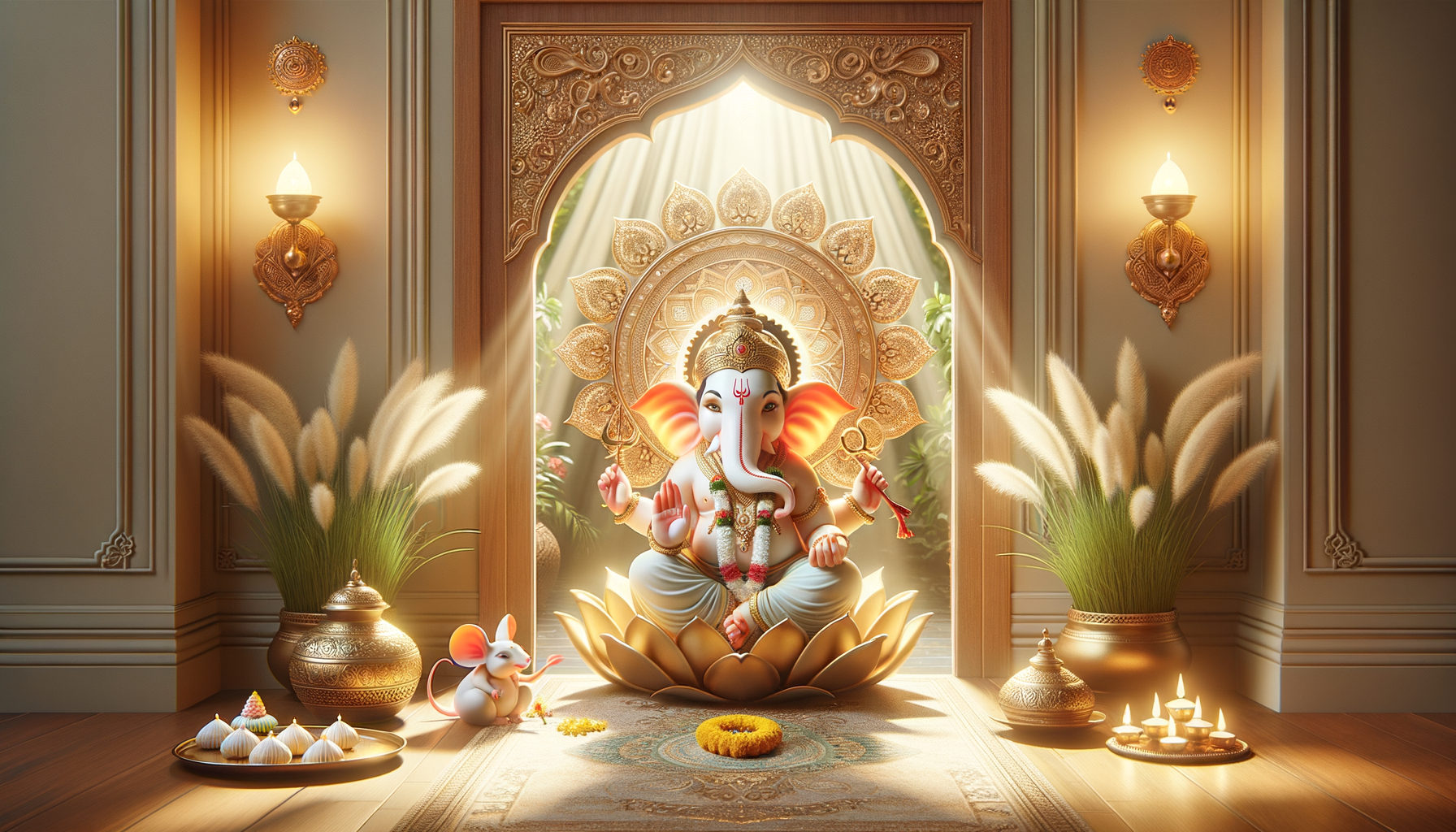
Why is Ganesh worshipped first among all deities during pujas and rituals? Within Hindu ritual culture, Ganeshalso known as Ganapati, Vinayaka, Vigneshwara, Vignahantri, Gajanana, Ganadhipa, Gananayaka, Lambodara, and Ekadantais traditionally invoked at the outset as Aadideva of beginnings. This priority reflects a synthesis of scriptural guidance, ritual logic, and lived devotion that seeks auspiciousness (mangala) and the removal of obstacles (vighna) before any sacred undertaking.
Scriptural narratives and liturgical manuals consistently portray Ganesha as Vighnaharta, the one who dispels impediments, and as the guardian of thresholds and transitions. Texts such as the Ganesha Atharvashirsha extol his identification with prajñā (insight) and buddhi (discernment), while Puranic accounts describe his appointment as leader of the ganas and presiding deity over beginnings. Invoking Ganesha first thus aligns with the philosophical aim of establishing clarity, order, and favorable conditions ahead of any rite.
Ritually, ceremonies commonly commence with sankalpa, followed by guru-ganesha dhyānam, and the mantra “Om Gam Ganapataye Namah,” affirming intention and requesting unobstructed progress. Priests and householders alike observe that honoring Ganesha before kalasha-sthapana, homa, or vrata initiations brings steadiness to the proceedings and minimizes ritual interruptionsan approach both practical and deeply symbolic.
Across households and communities, this practice carries a relatable, emotional resonance. Children learn to remember Ganesha before examinations, artisans begin their craft after offering a single flower or a strand of durva grass, and travelers utter a brief prayer for a safe journey. These simple acts nurture calm, confidence, and focus, reflecting the widely shared experience that beginnings framed by devotion tend to unfold with greater composure and purpose.
The many epithets of Ganesha illuminate a psychological and ethical map for conduct at the start of any endeavor. As Vinayaka, he represents unobstructed leadership; as Vigneshwara, mastery over difficulties; as Ekadanta, single-pointed concentration; as Lambodara, the capacity to assimilate diverse experiences; and as Gajanana, steadfast strength guided by wisdom. In yogic symbolism, his association with the muladhara evokes stability at the foundationprecisely what initiations and new ventures require.
While uniquely central to Hinduism, the ethos of invoking wisdom and removing obstacles resonates across dharmic traditions. Buddhism’s reverence for prajñā, Jainism’s emphasis on right knowledge and right conduct, and Sikhism’s stress on humility and truthful living embody a shared commitment to clarity at life’s thresholds. In this broader context, the custom of honoring Ganesha first expresses a unifying dharmic value: beginning with discernment, humility, and an aspiration for harmonious outcomes.
Community celebrations such as Ganesh Chaturthi (Vinayaka Chavithi) expand this principle into public life, where shared worship, ethical craftsmanship of Ganesha idols, and cultural arts reinforce social cohesion and collective auspiciousness. The festival’s rhythms echo the daily act of starting with Ganesha: both affirm the hope that obstacles can be anticipated, understood, and transformed.
In sum, Ganesha’s primacy at the outset of pujas and rituals is grounded in scripture, validated by ritual pragmatics, enriched by cultural memory, and consonant with a wider dharmic commitment to wise beginnings. By invoking Ganesh as Aadideva, devotees align intention with auspiciousness and invite Vignahantri’s grace to ensure that every sacred act proceeds with clarity and goodwill.
Inspired by this post on Hindu Pad.










