Maa Ugratara Nagar Temple in Chandwa, Latehar (Jharkhand) stands as a serene and enduring center of Shakta devotion, widely revered as a Siddha Shaktipeeth. Set amid a tranquil landscape, the shrine is known for an unbroken tradition of worship that draws pilgrims year-round seeking the fierce yet compassionate grace of Maa Ugratara.
Local oral histories and community practices attest to centuries of veneration, sustained by temple rituals, seasonal observances, and collective stewardship. While scholarly records about precise origins remain limited, the continuity of puja, collective seva, and festival gatherings reflects a living heritage rather than a static monument.
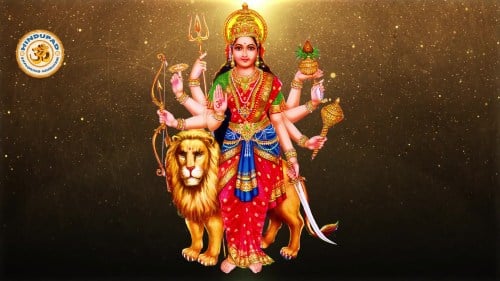
Ugratara embodies both protective ferocity and maternal compassion, a theological balance central to Shakta philosophy. The name Tara also resonates across dharmic traditions, appearing in Hindu and Buddhist lineages, thereby offering a shared symbolic bridge. This inclusive resonance supports a broader vision of harmony among Hinduism, Buddhism, Jainism, and Sikhism, where seekers from diverse backgrounds can engage with the sacred without contradiction.
Ritual life at the temple typically centers on daily puja and aarti, with special crowds during Navaratri and other auspicious tithis. Devotees describe a palpable atmosphere of courage and reassurance in the sanctum, where the ringing of bells and the murmur of mantras foster inner stillness. Such experiences are frequently narrated as both personally transformative and communally affirming.
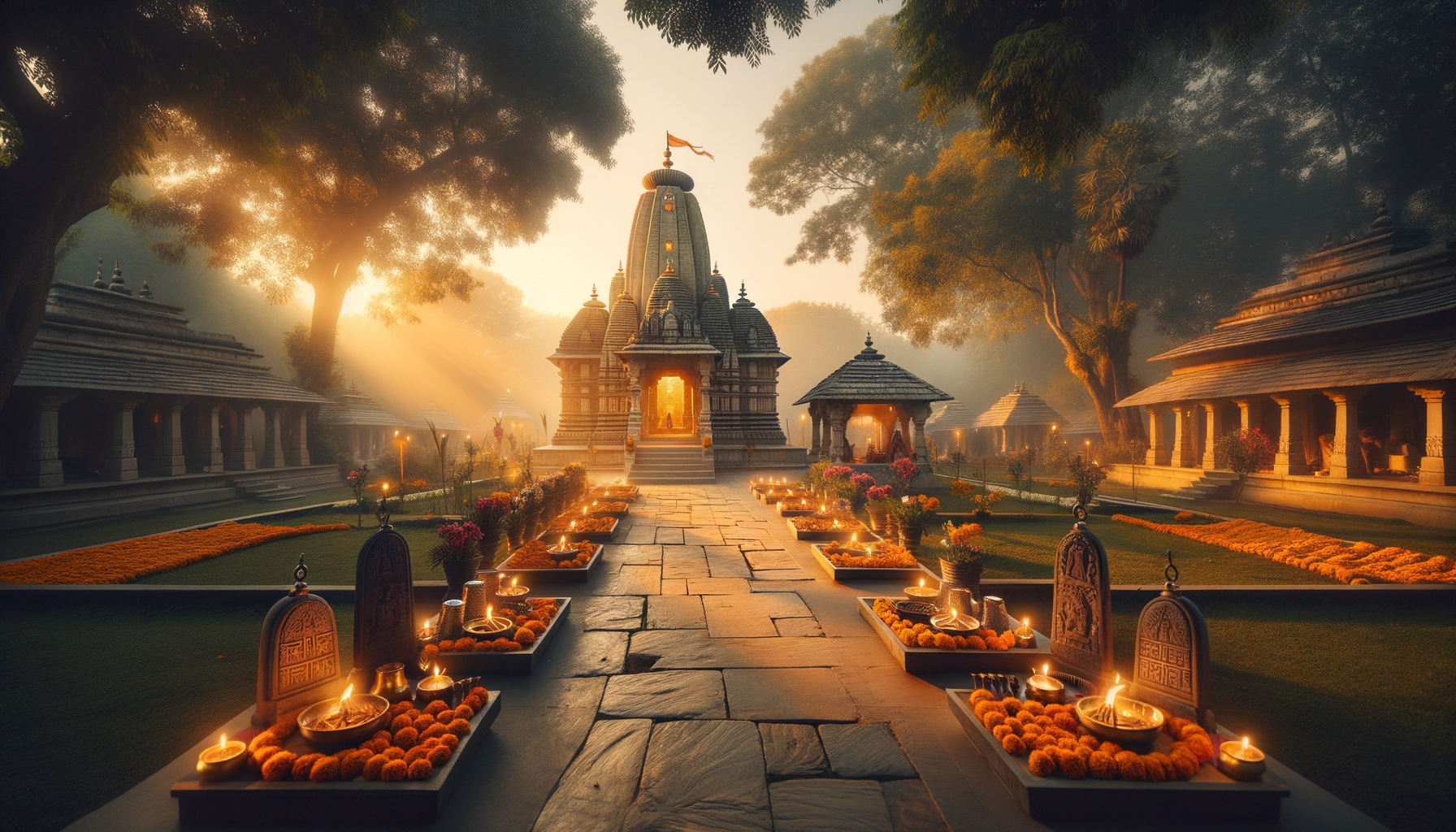
The physical setting enhances the spiritual mood: pathways through greenery, a simple yet dignified garbhagriha, and iconographic details consistent with Shakta shrines. Fragrance of incense, rhythmic recitation, and the visual presence of lamps create a multisensory environment that supports meditation and devotion.
Pilgrims traveling to Chandwa often highlight the hospitality of the local community and the ease of integrating darshan with reflective time in nature. Visits tend to peak during Navaratri and major festivals, when collective worship and cultural programs animate the precincts. Observing temple etiquettemodest attire, mindful participation in rituals, and sustainable practicespreserves the sanctity of the space and supports the ecology of the region.
Beyond its spiritual role, the temple acts as a cultural anchor for Latehar district and Jharkhand at large, nurturing local arts, oral narratives, and intergenerational learning. In this way, Maa Ugratara Nagar Temple sustains living traditions that connect everyday life with enduring values of courage, compassion, and service.
Preservation efforts benefit from careful documentation, community involvement, and educational outreach that respects both tangible and intangible heritage. Such stewardship safeguards not only a sacred site but also a shared cultural memory that strengthens unity across dharmic paths.
As a living Siddha Shaktipeeth, the Ugratara Temple invites reflection on the universal quest for protection, wisdom, and inner strength. In Chandwa’s quiet environs, devotees and visitors alike encounter a spiritual continuum that honors pluralism, fosters harmony, and celebrates the timeless presence of the Divine Mother.
Inspired by this post on Hindu Blog.