SRI BALA TRIPURA SUNDARI AMMAVARI SAMEDHA SRI BALA SIVAN TEMPLE stands in Tripurantakam village of Prakasam district, Andhra Pradesh, about 100 kilometres from the sacred Srisailam Temple. Revered locally as Sri Bala Tripura sundari Ammavari Sametha Sri Bala Sivan Temple, the shrine is widely esteemed for a devotional sanctity that many pilgrims regard as resonant with the holiness of Srisailam.
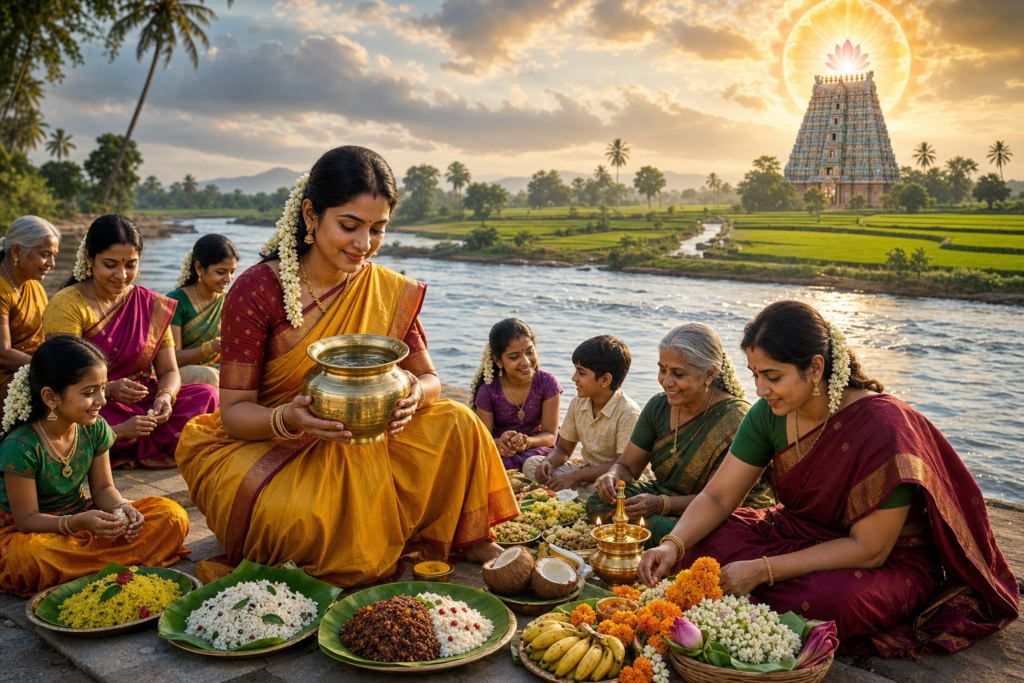
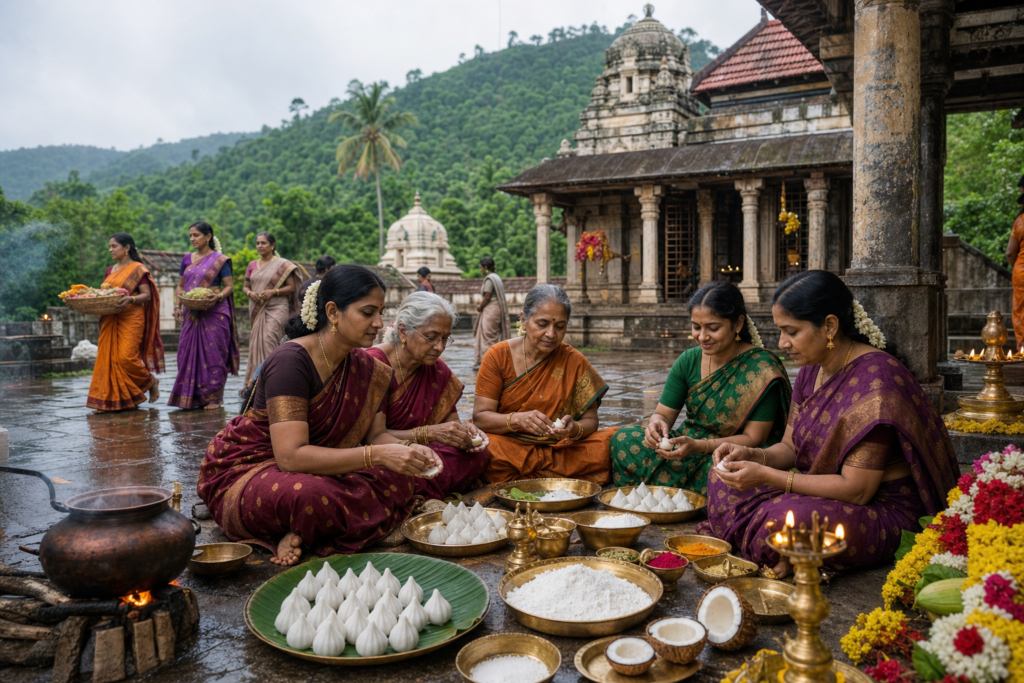
Set amid the rocky hillscapes and tranquil countryside of South India, Tripurantakam (also spelled Tripuranthakam) offers a contemplative pause for travelers moving along the Srisailam pilgrimage route. Visitors frequently note a gentle, centering atmosphere: temple bells, the cadence of Sanskrit mantras, and the sight of oil lamps together create a devotional rhythm that invites unhurried reflection and quiet devotion.
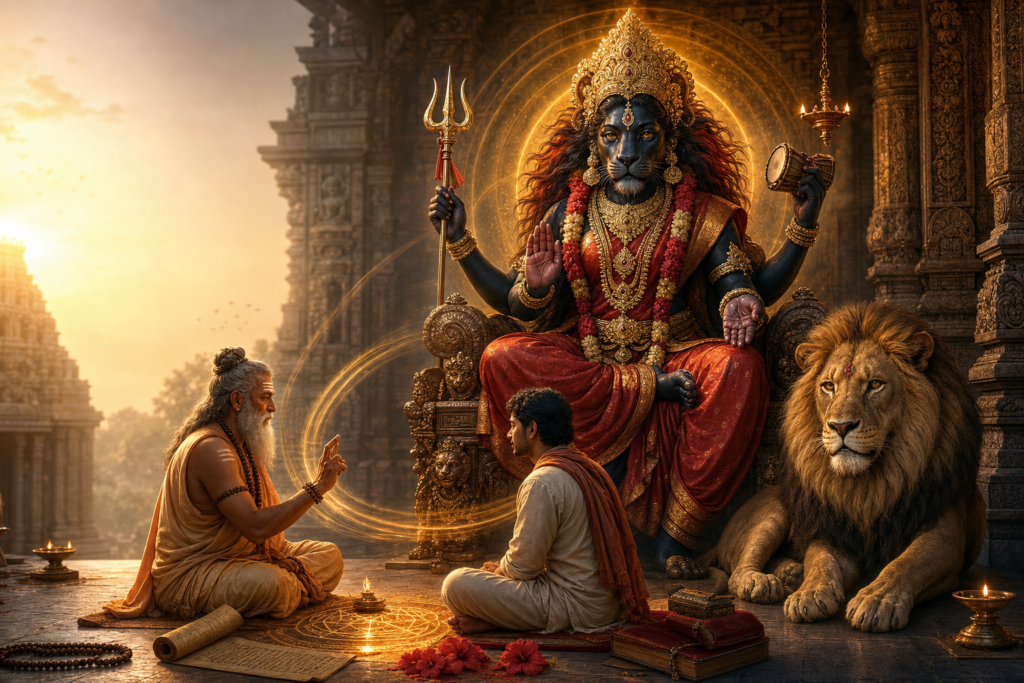
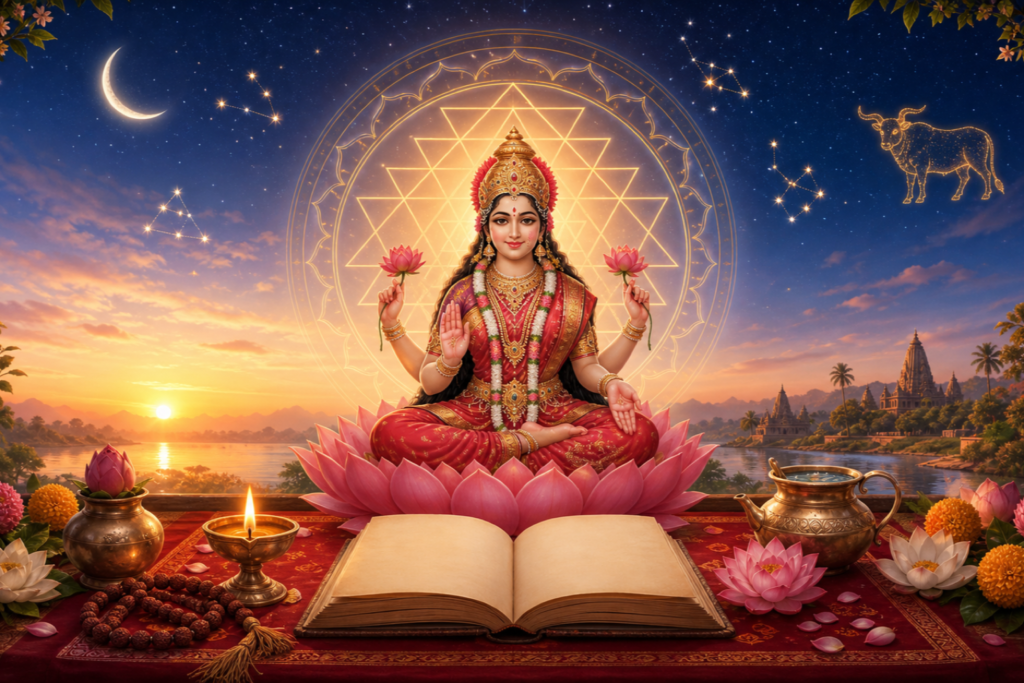
Local tradition associates Tripurantakam with the divine presence of Bala Tripurasundari and with Shiva’s protecting grace. The epithet “Sametha” underscores a conjoined reverenceBala Tripurasundari worshipped alongside Bala Sivareflecting a classical Hindu sacred grammar in which Devi and Shiva are honored in inseparable harmony. This shared sanctity, often compared to Srisailam’s spiritual aura, helps explain the site’s longstanding regional significance.
The temple setting highlights hallmarks of South Indian temple aesthetics: sculpted gateways, sanctums that inspire inwardness, and circumambulatory paths that structure a mindful flow of worship. While architectural elements remain modest compared to major urban complexes, the ensemble’s simplicity enhances the focus on mantra, darshan, and disciplined prayercore features of Hindu temple practice in Andhra Pradesh.
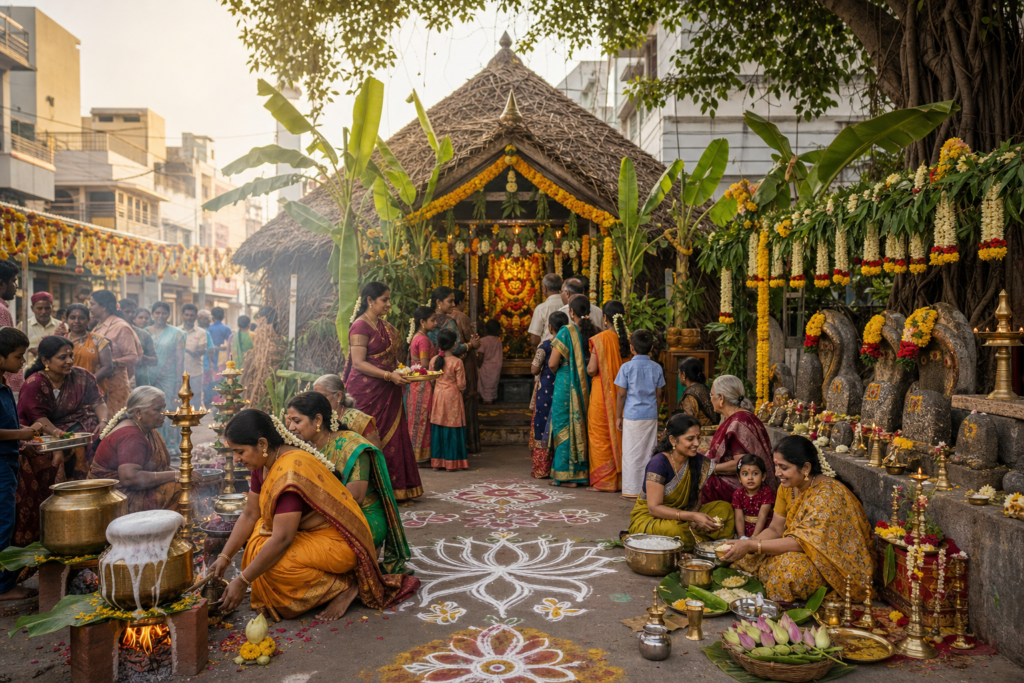
Ritual life at Tripurantakam thrives through daily puja and seasonal observances. Navaratri draws special crowds for Devi upasana, and Fridaystraditionally auspicious for the worship of the Divine Motheroften see heightened devotional activity. These practices encourage virtuesreverence, self-discipline, and compassionthat align closely with broader dharmic values.
Tripurantakam is accessible by road from Ongole and Markapur within Prakasam district, making it a practical addition to Srisailam-bound itineraries. The months from October to March usually provide comfortable travel conditions; early morning and evening visits are recommended for a serene darshan. As with any Hindu temple, modest attire, respectful silence near the sanctum, and sensitivity to local customs are appreciated.
In spirit and practice, the temple’s ethos resonates with the shared foundations of India’s dharmic traditionsHinduism, Buddhism, Jainism, and Sikhism. Its emphasis on inner discipline, ethical living, and mindful devotion reflects values celebrated across these paths, nurturing social harmony and plural understanding within a common civilizational heritage.
For pilgrims exploring South India’s sacred geography, the Tripuranthakam Balatripurasundari Temple offers a calm, authentic encounter with living traditionan experience that complements the grandeur of Srisailam while standing on its own as a cherished locus of faith, learning, and quiet spiritual renewal.
Inspired by this post on Hindu Pad.