
Tag: Ancient Artifacts
-
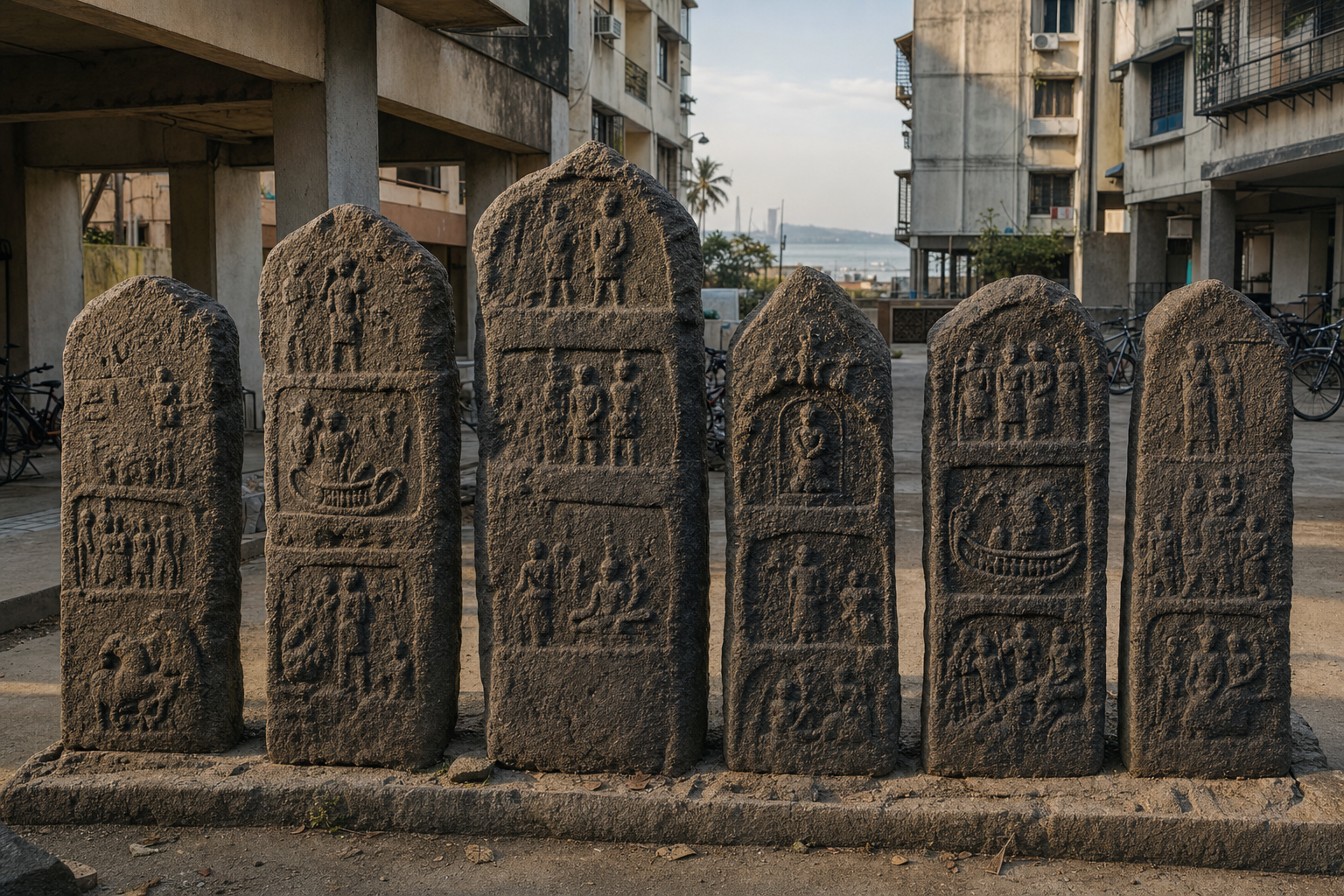
Eksar Hero Stones: Saving Mumbai’s Maritime Memory
-
Eksar Hero Stones: Protecting Mumbai’s Maritime Memory
-
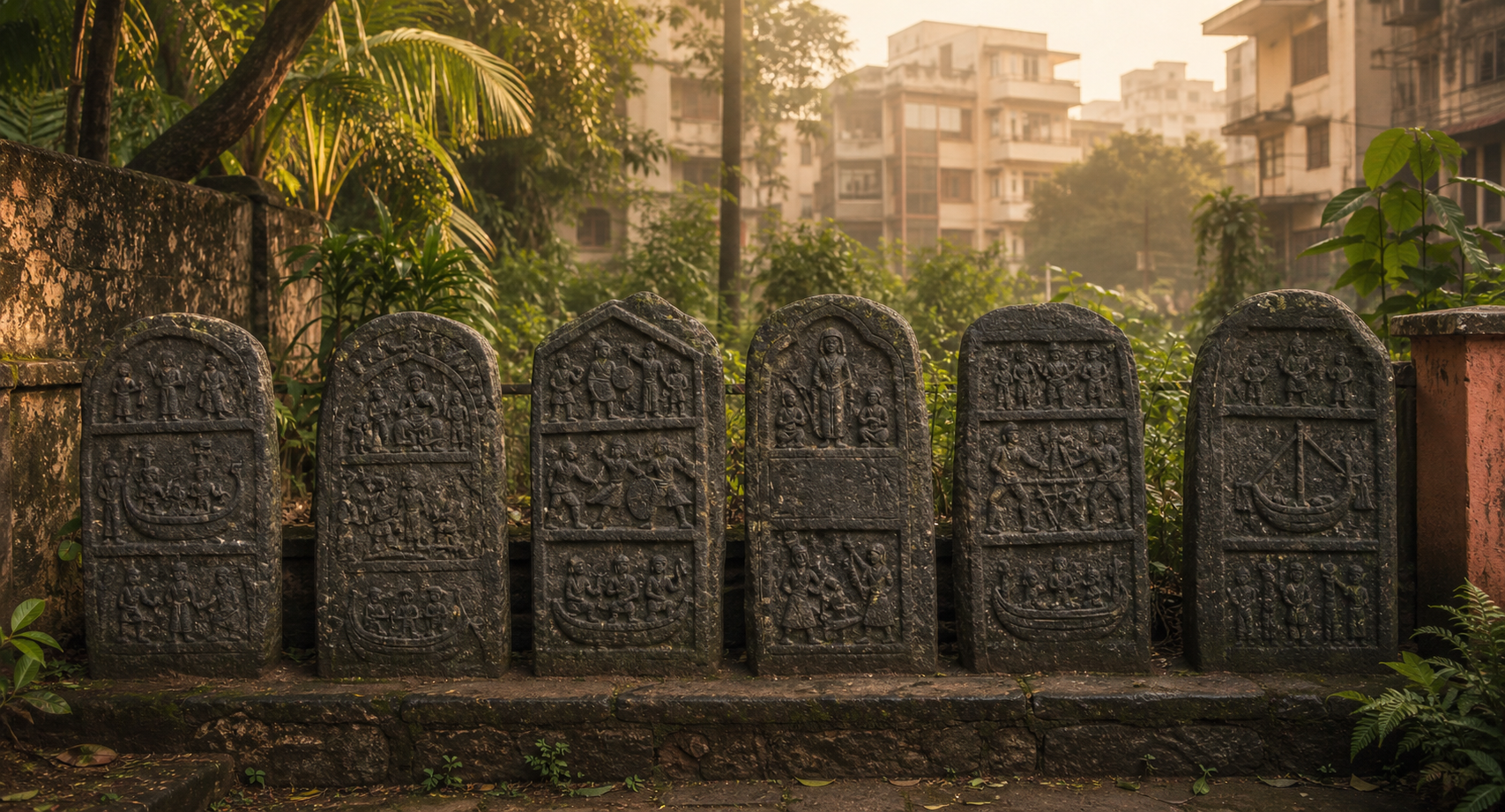
Eksar Hero Stones: Saving Mumbai’s Maritime Memory
-
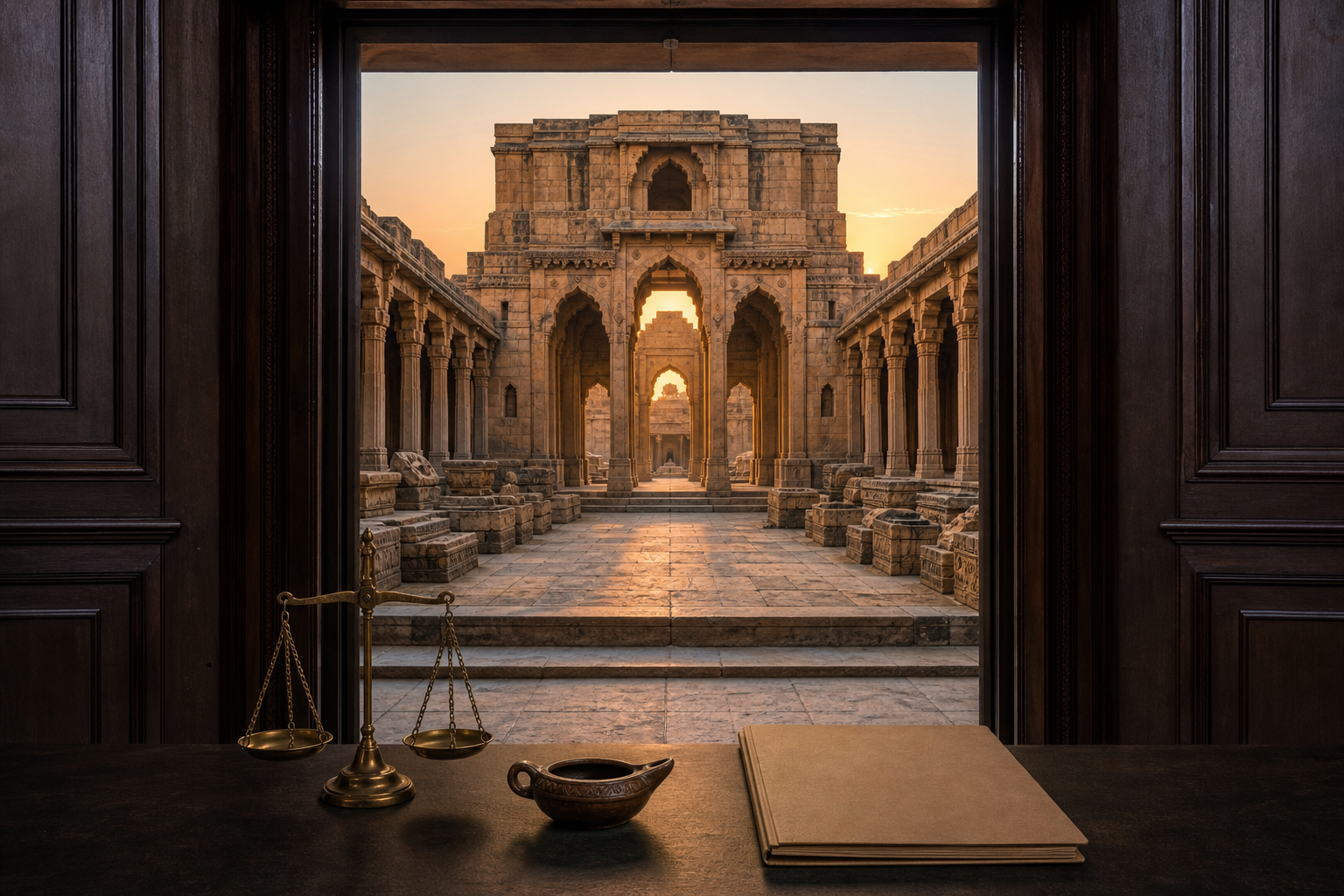
Bhojshala Verdict: A Test for Civilizational Justice
-
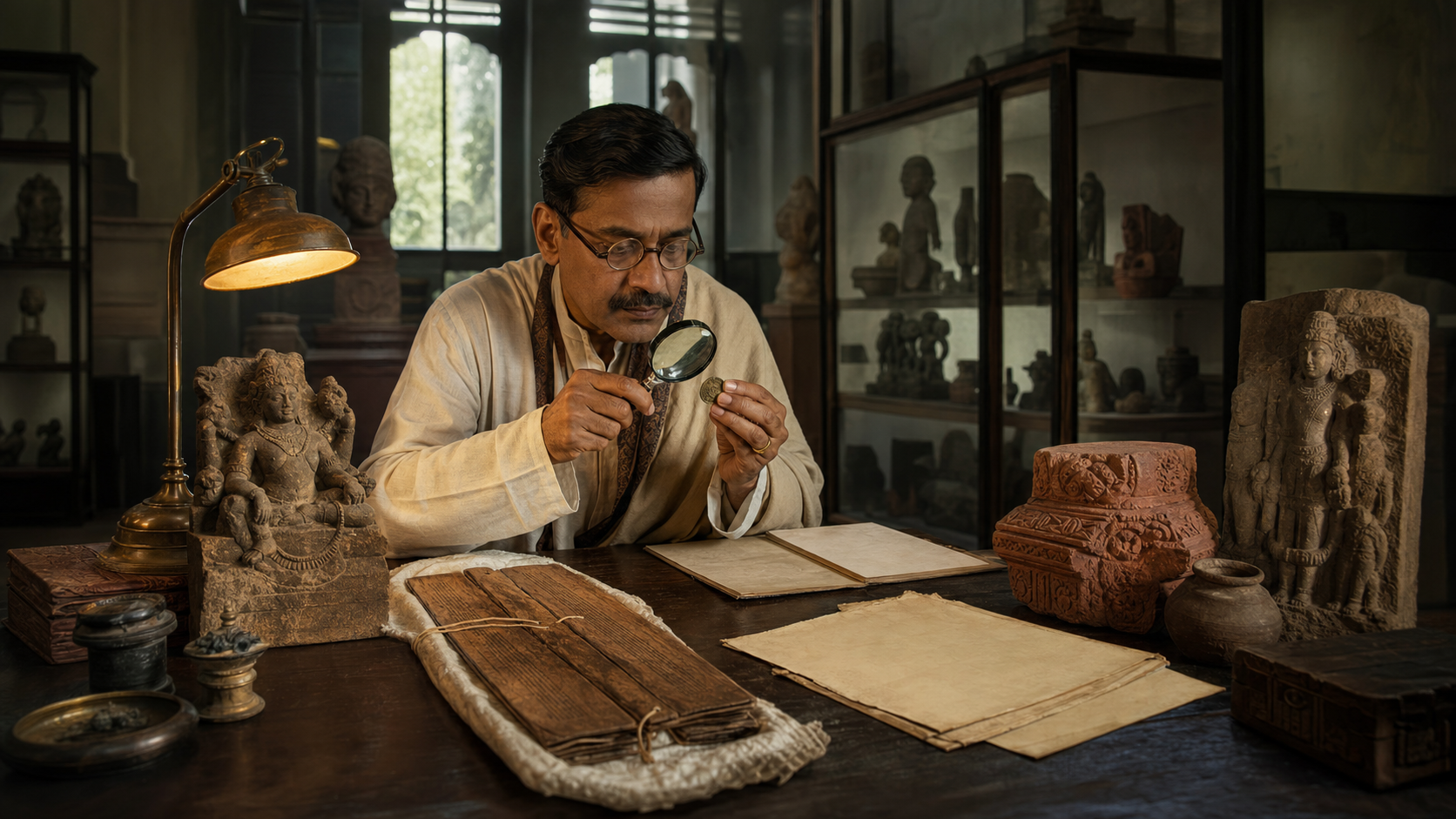
Nalini Kant Bhattasali and Bengal’s Cultural Memory
-
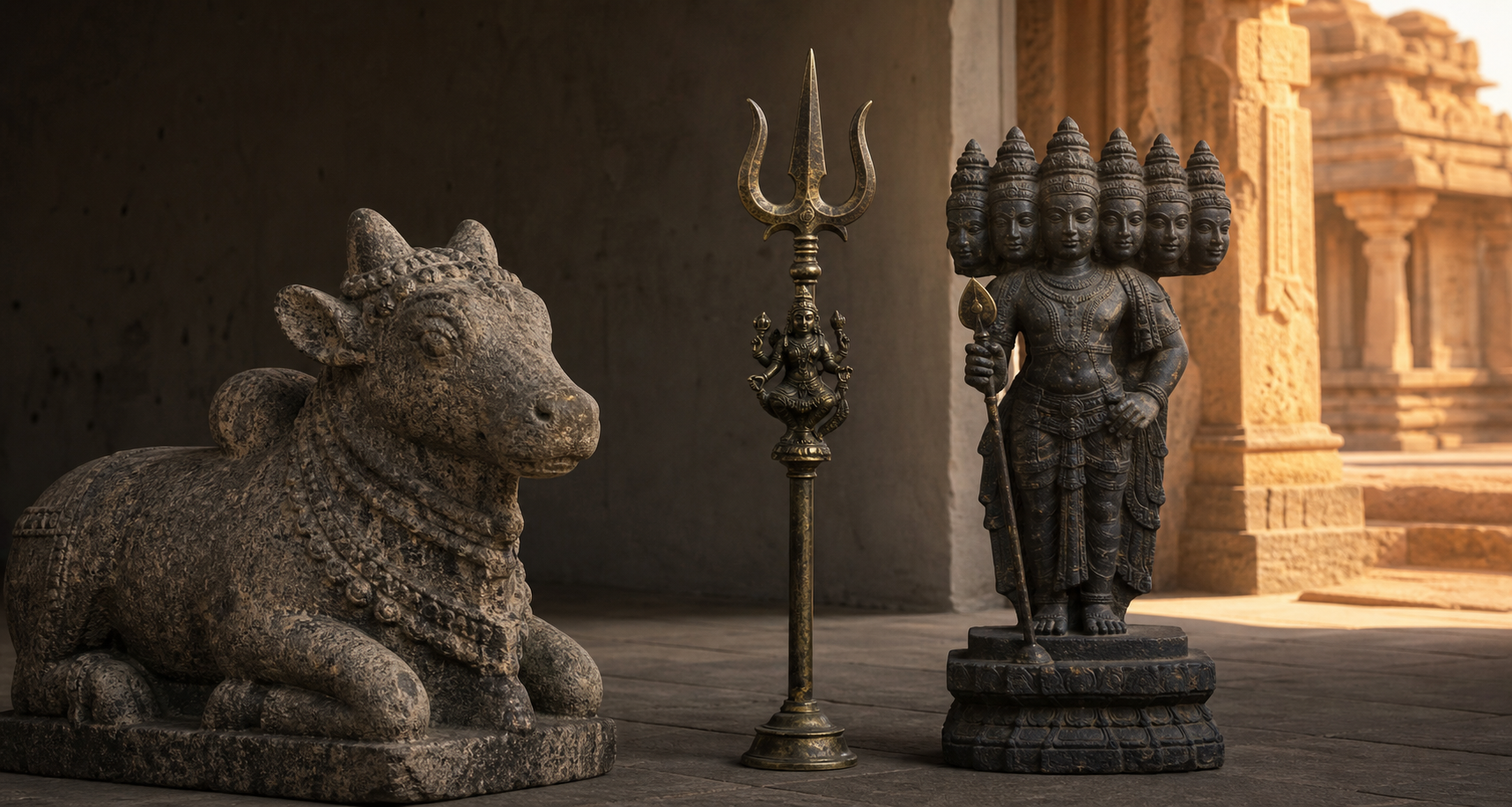
Repatriating Tamil Sacred Antiquities: What Return Requires
-
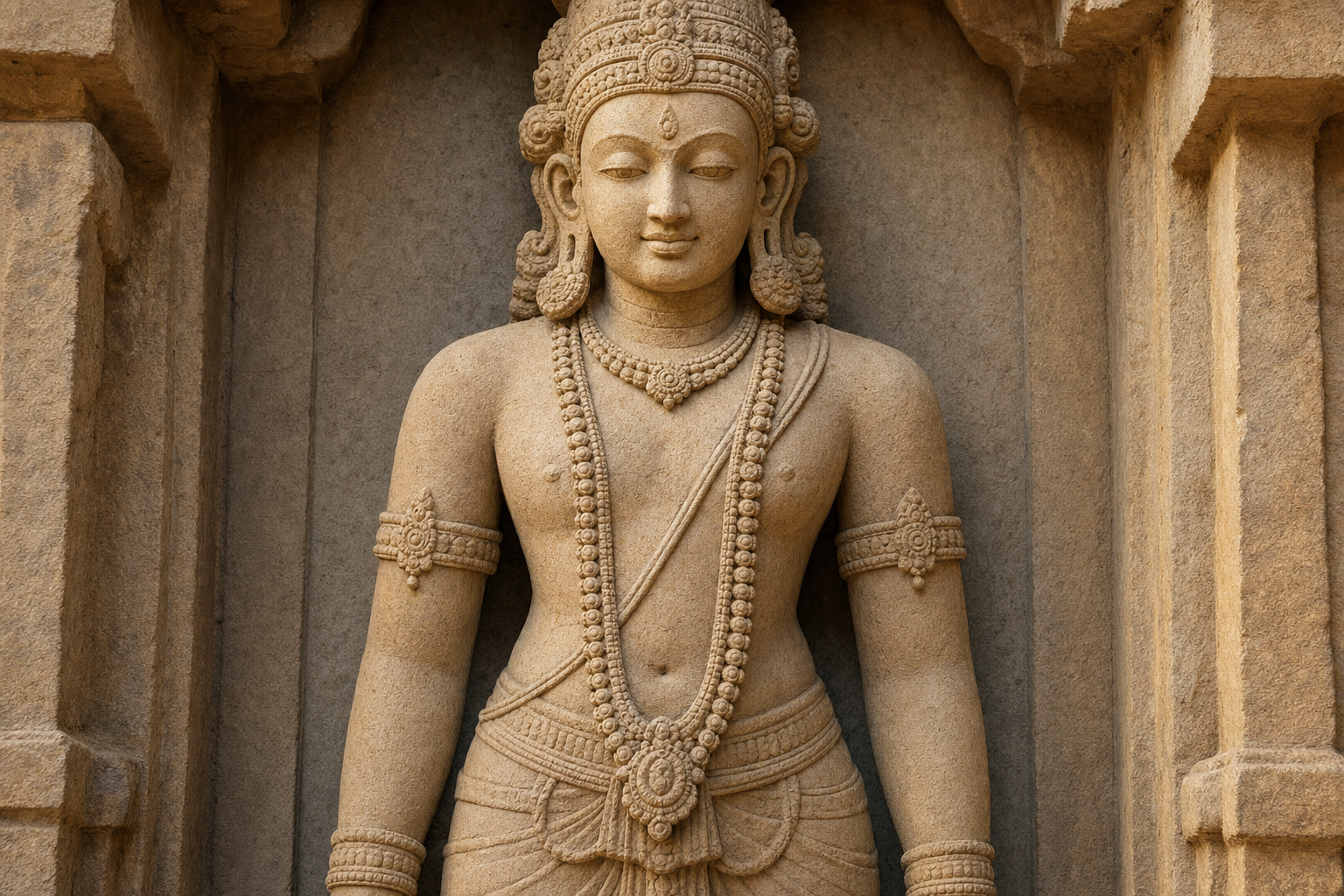
How Hara Necklaces Shape Meaning in Hindu Sculpture
-
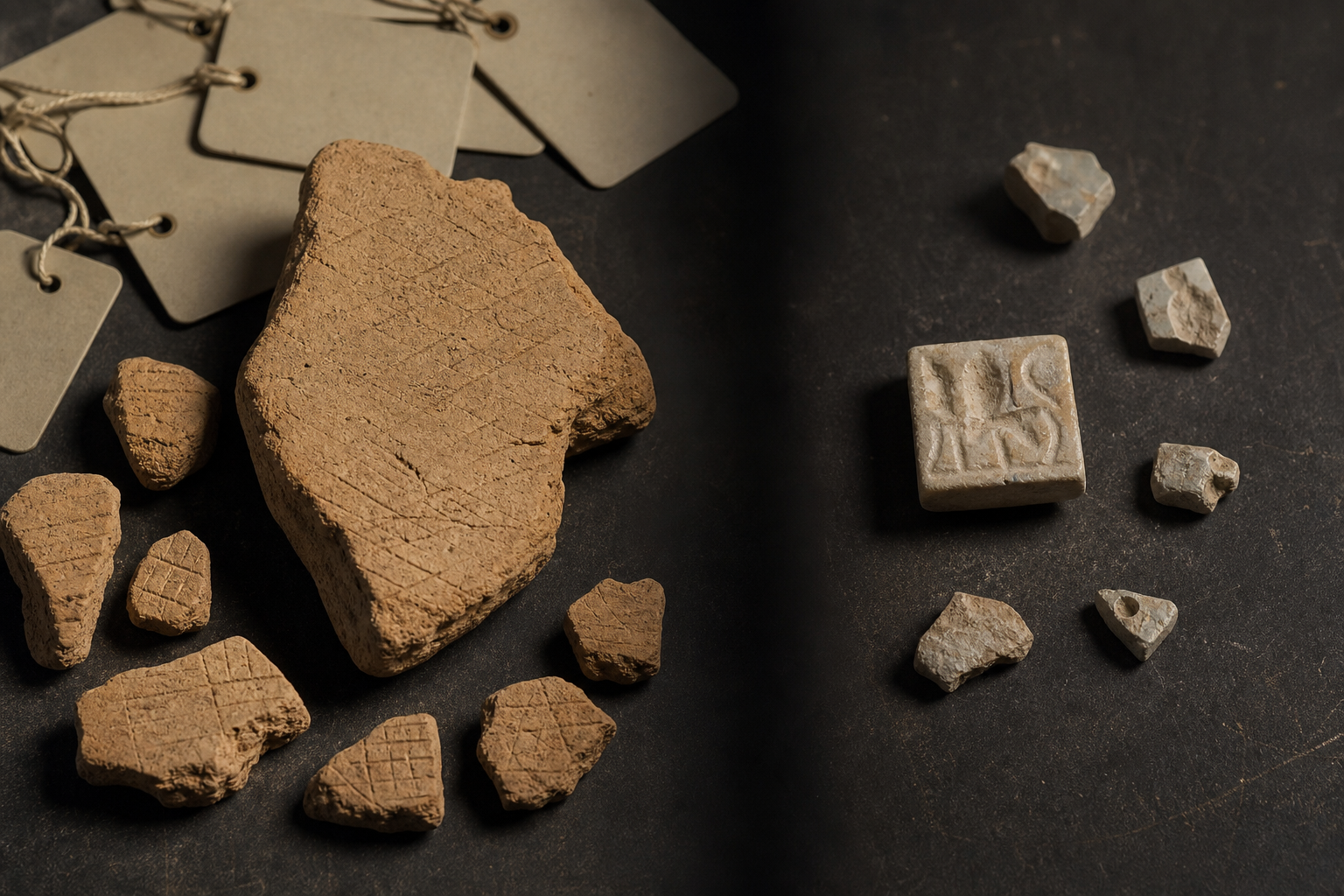
What Linear B Can and Cannot Teach Us About the Indus Script
-
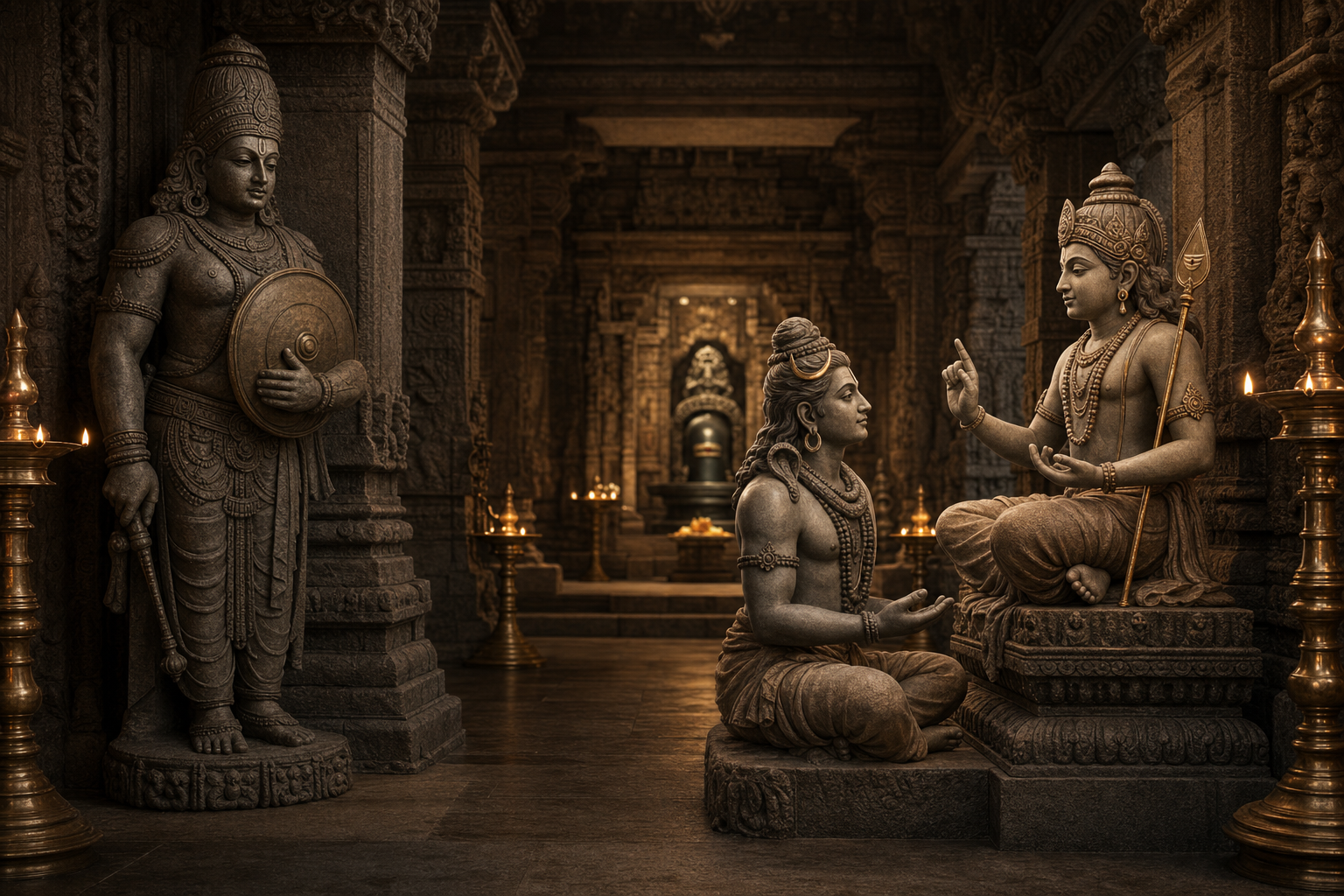
Shield and Disciple: How Hindu Icons Define Sacred Authority
-
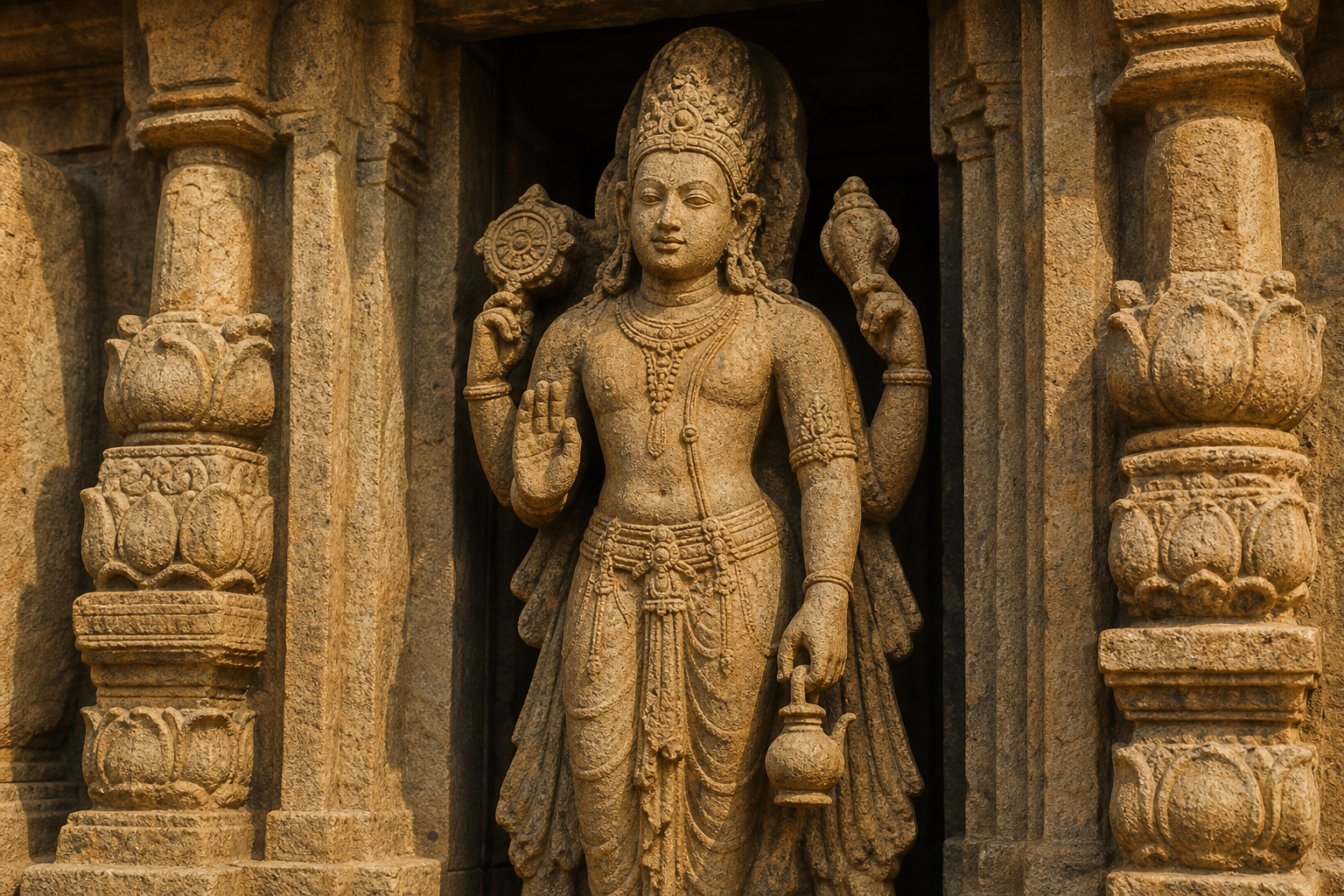
Reading Kundika Symbolism in Hindu Temple Iconography
-
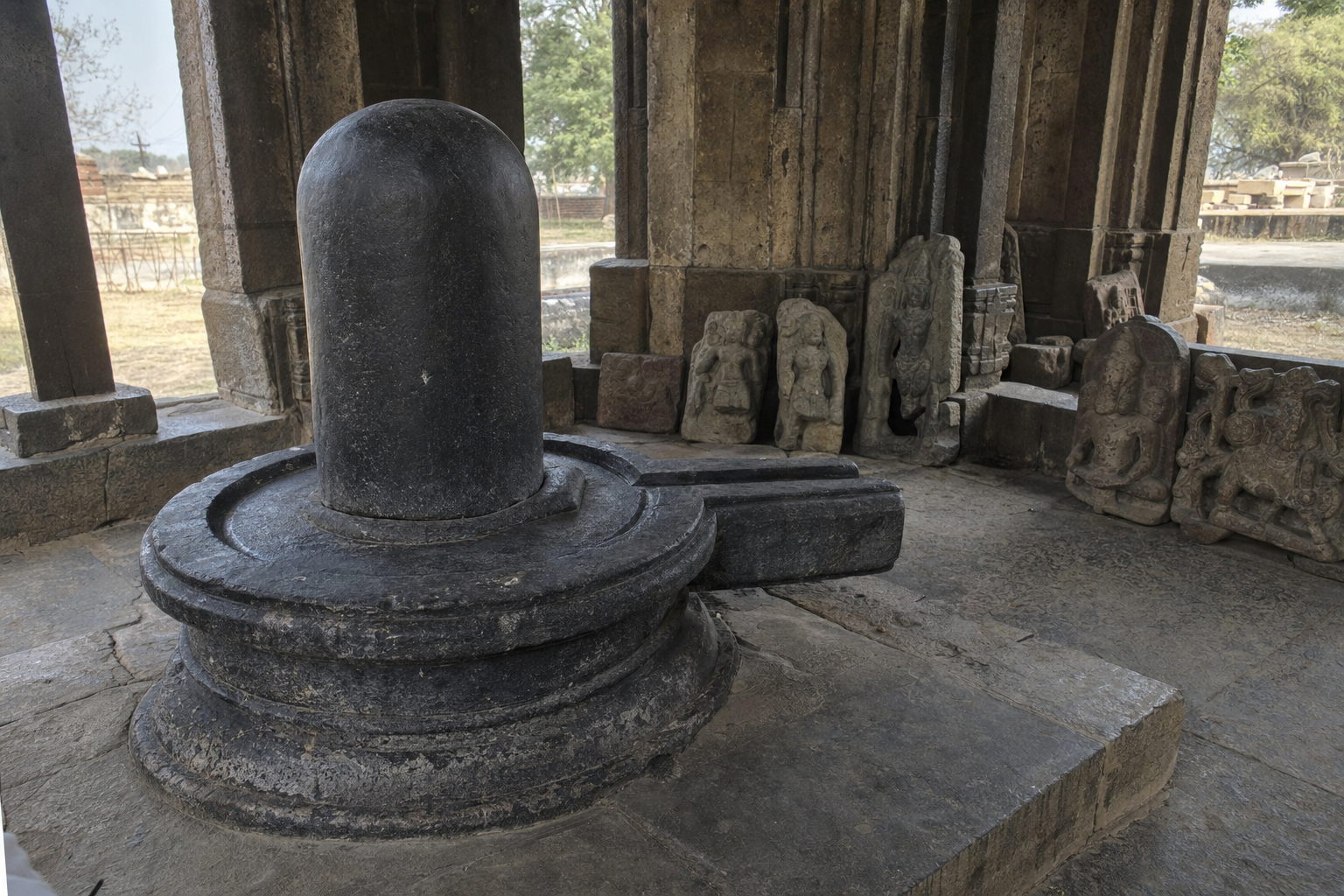
Prithvinath Temple Sculptures: Evidence, Risk and Care
-
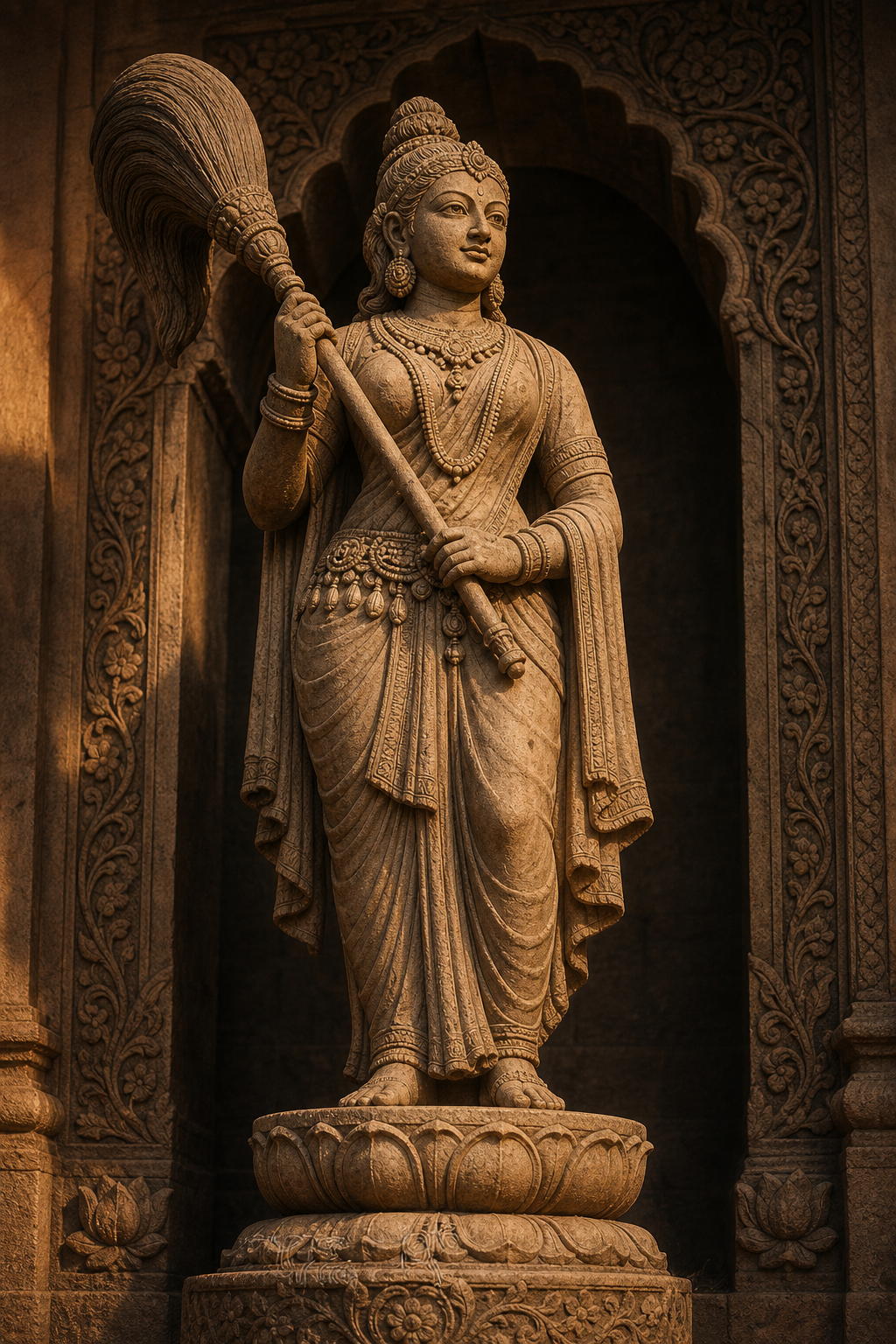
Cauri-Bearing Yakshini: Service, Sovereignty and Shakti
-
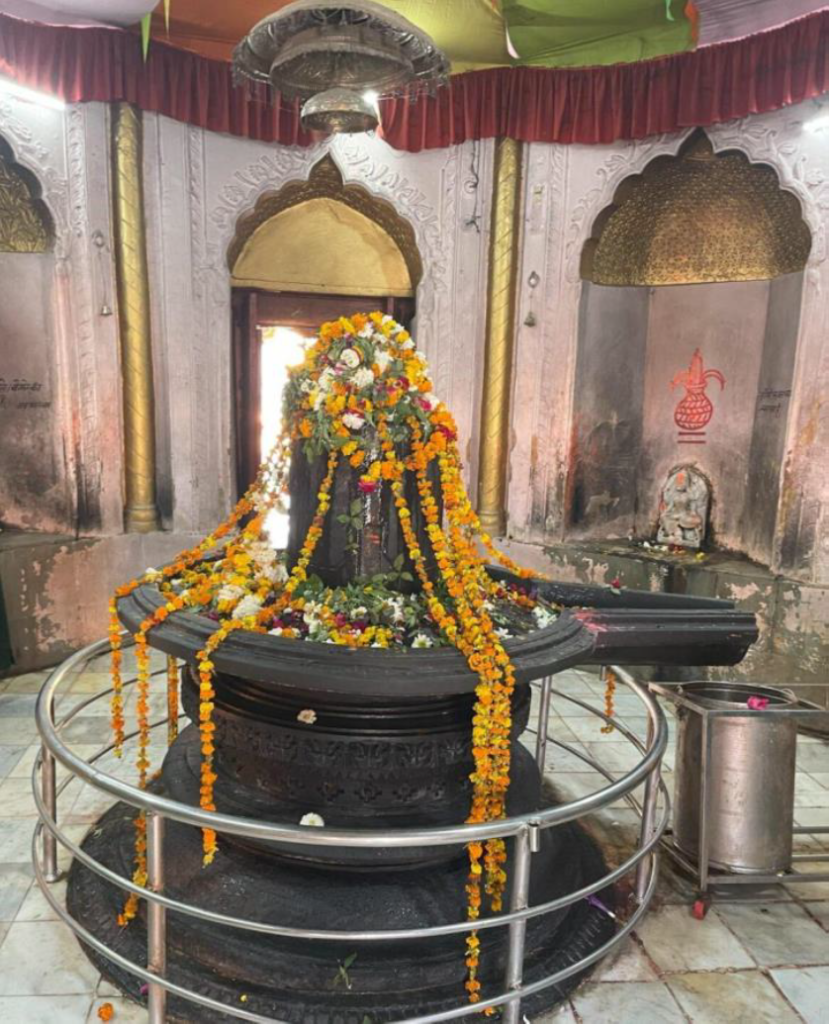
Prithvinath Temple’s Hidden Heritage: Ancient Idols, Sacred Memory and Urgent Preservation
-
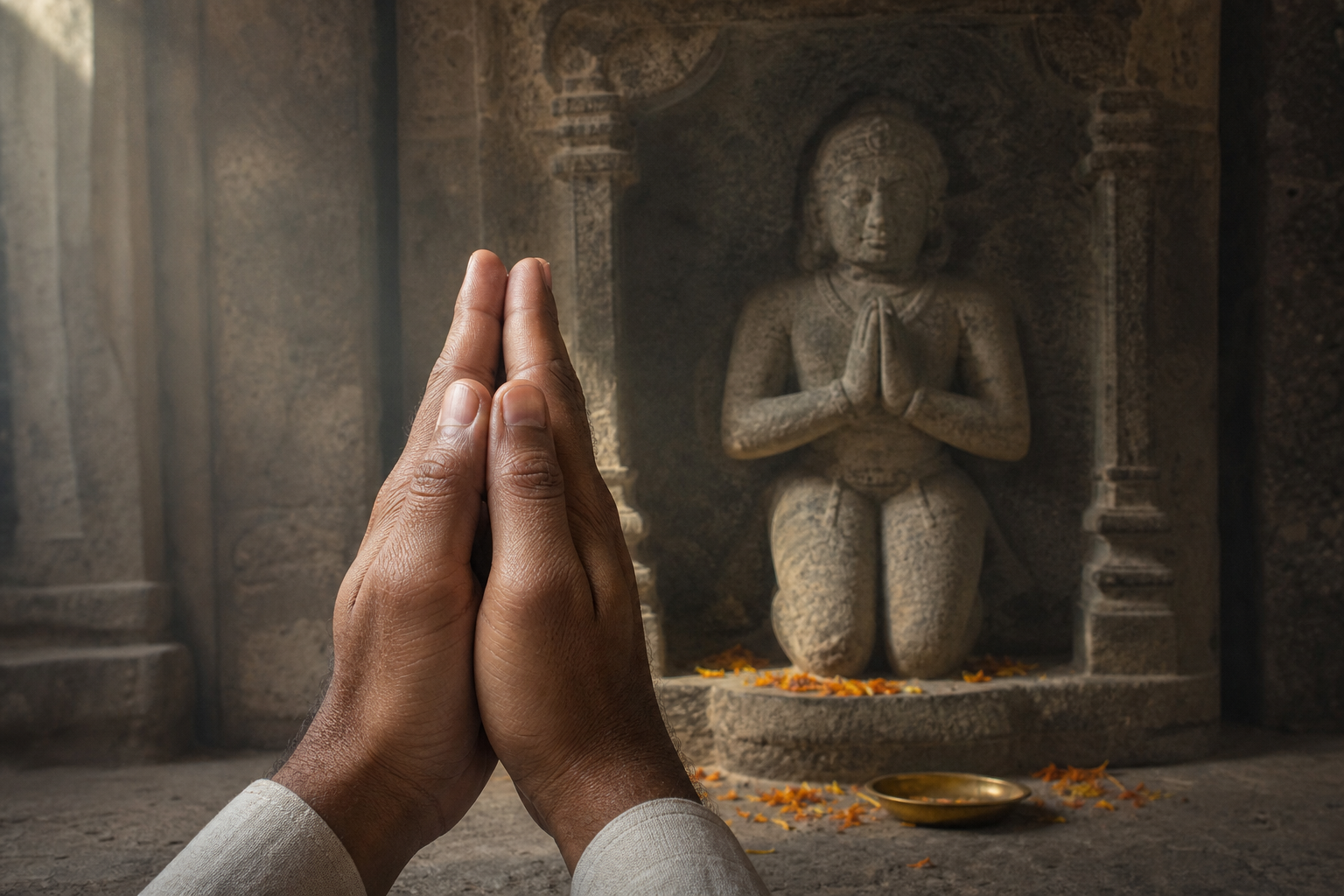
Anjali Mudra: How Sacred Art Gives Devotion Visible Form
-
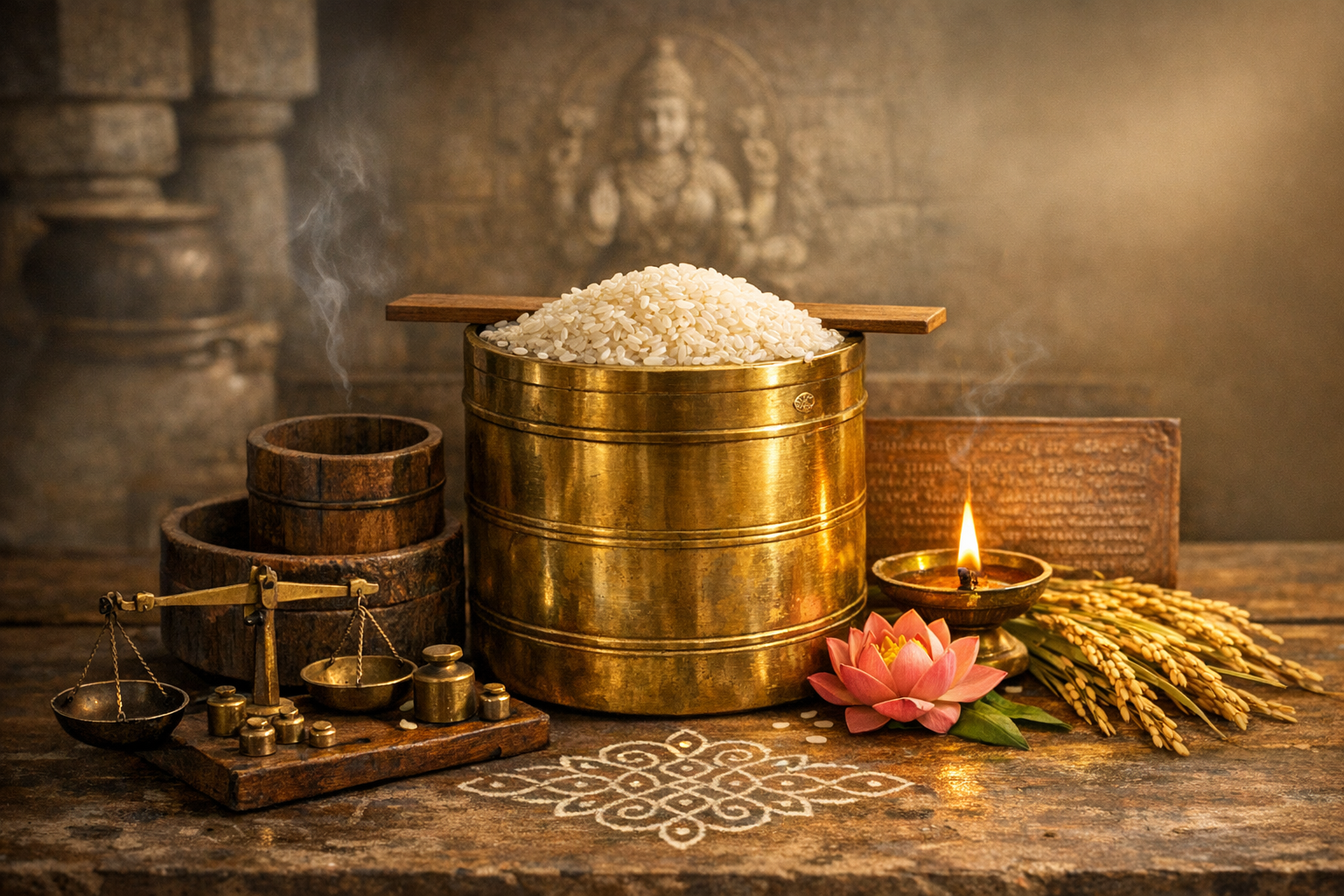
Divine Measures of Plenty: Marakkal and Manika in Hindu Iconography, Ritual, and Dharma
-

Before Stonehenge’s Stones: The Solstitial Line at Bulford
-
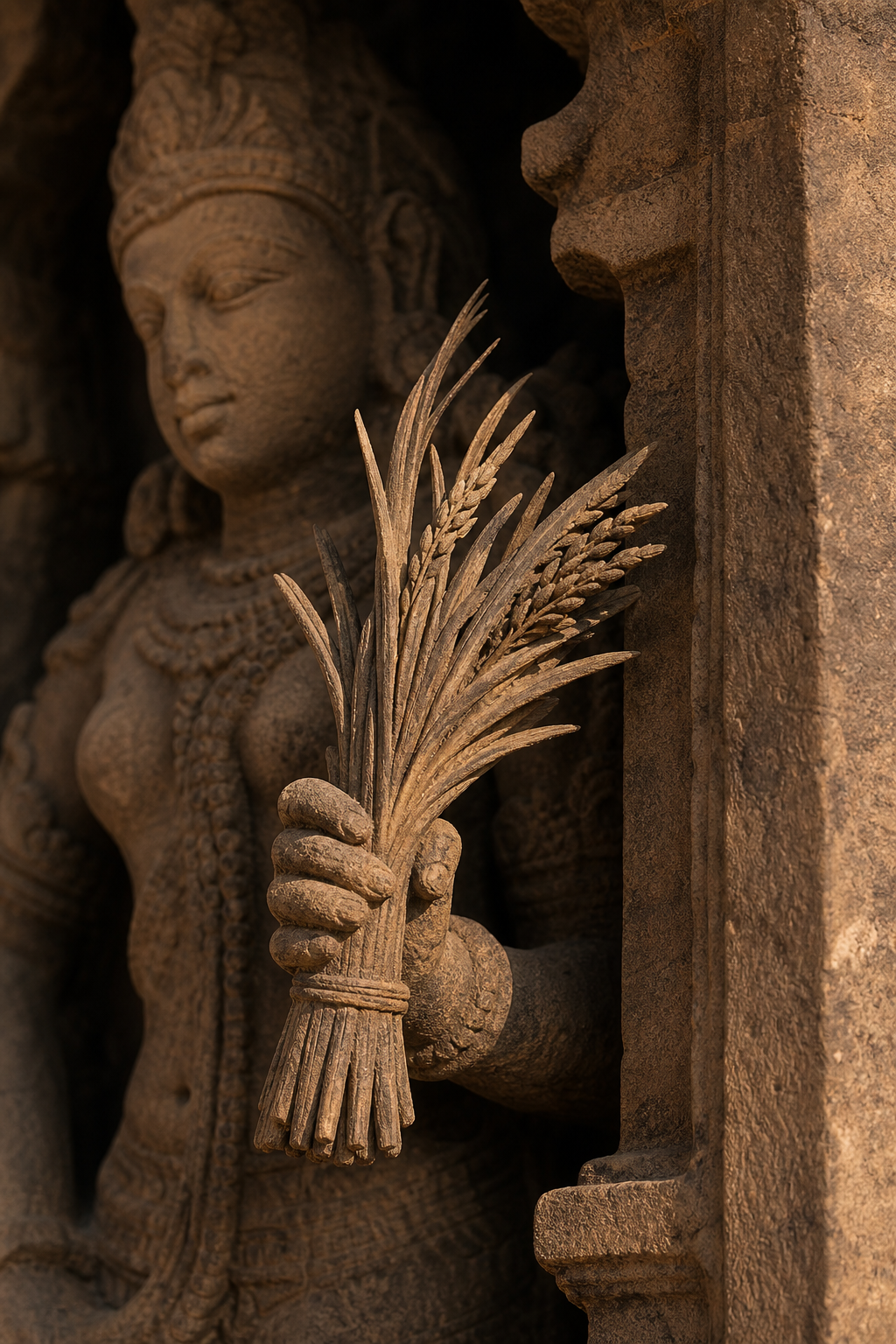
Patra Symbolism in Hindu Sacred Art: A Field Guide
-
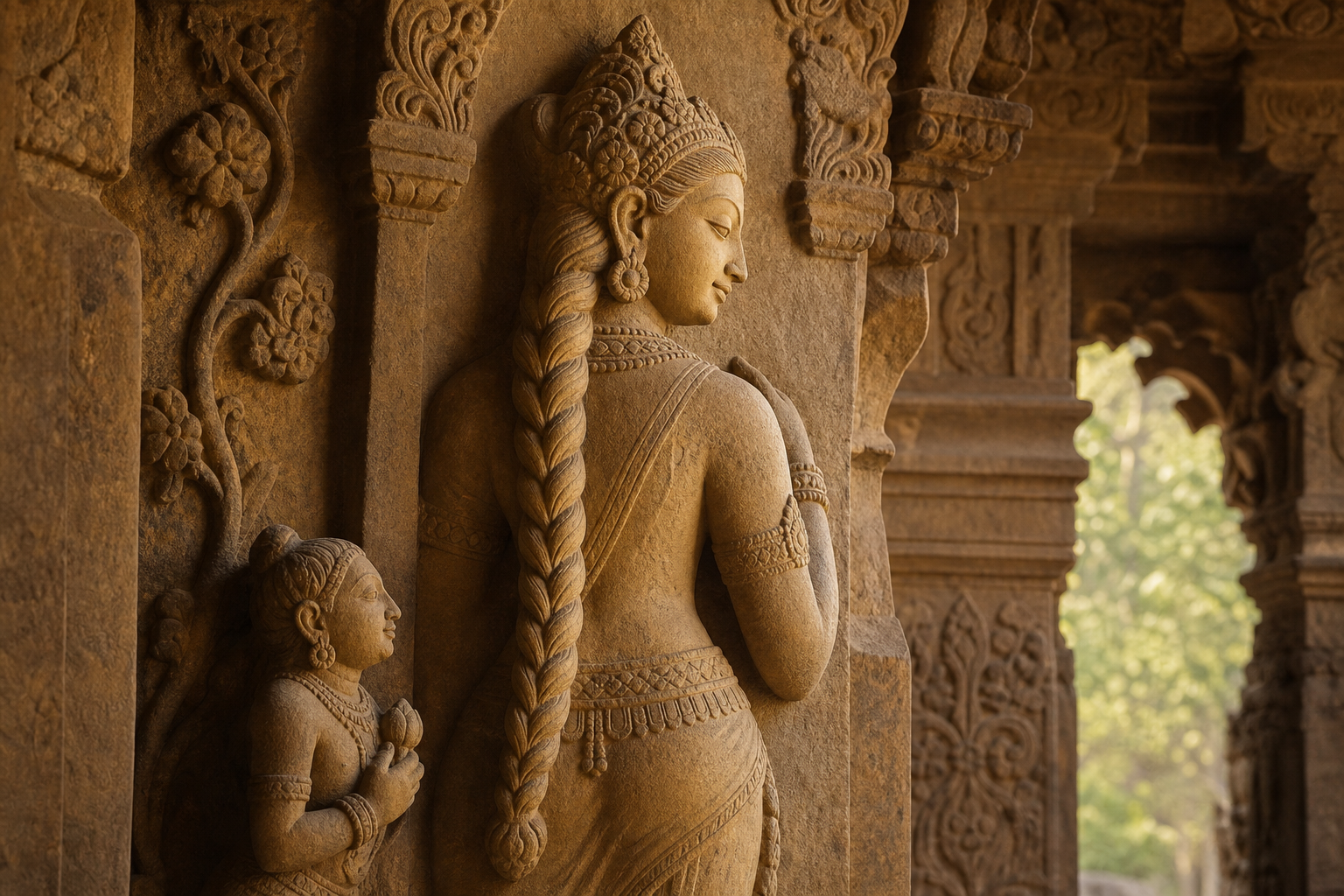
How to Read Ekaveni Symbolism in Hindu Temple Art
-
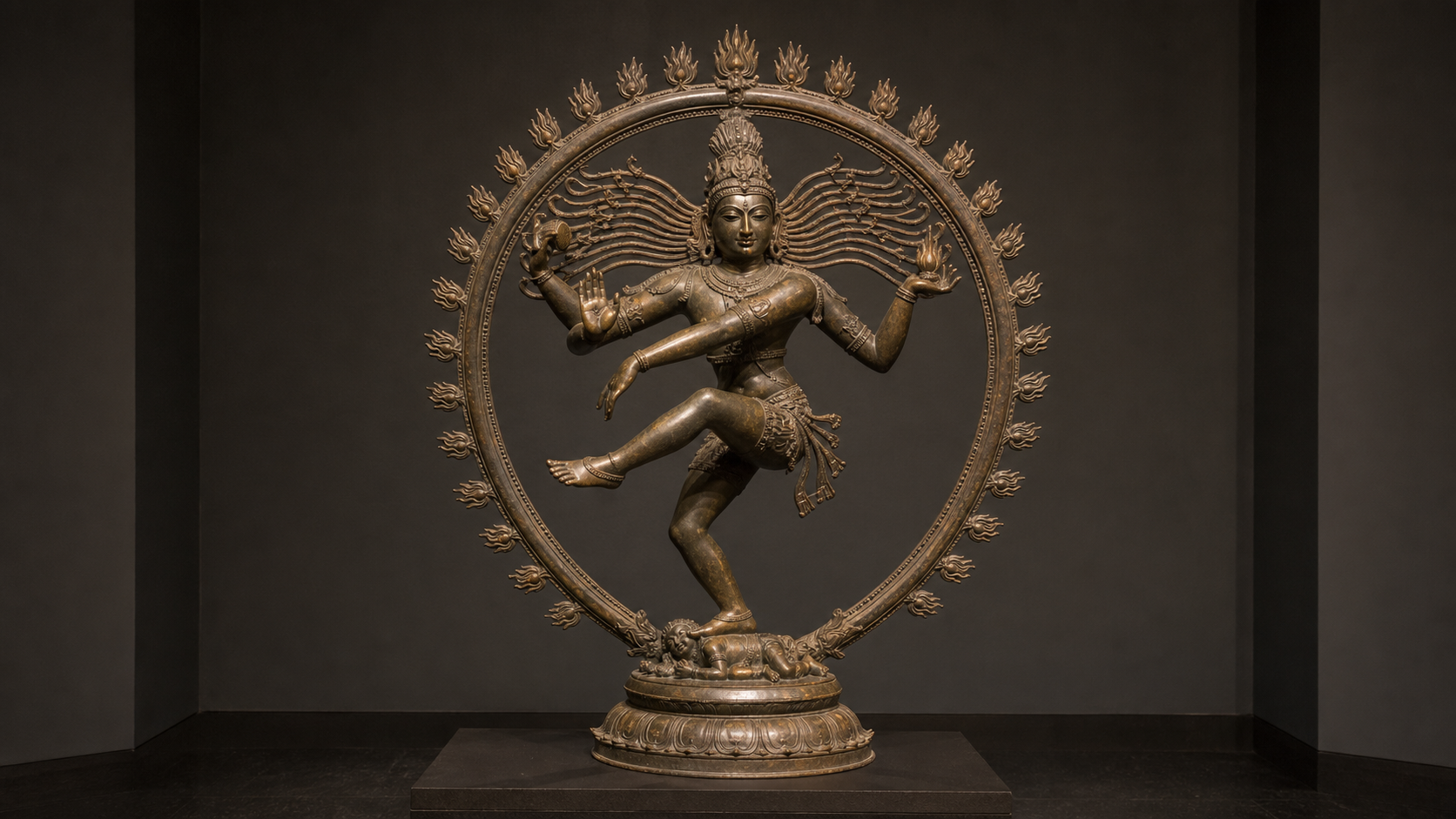
How to Read Hindu Sculpture Through Gesture and Iconography
-
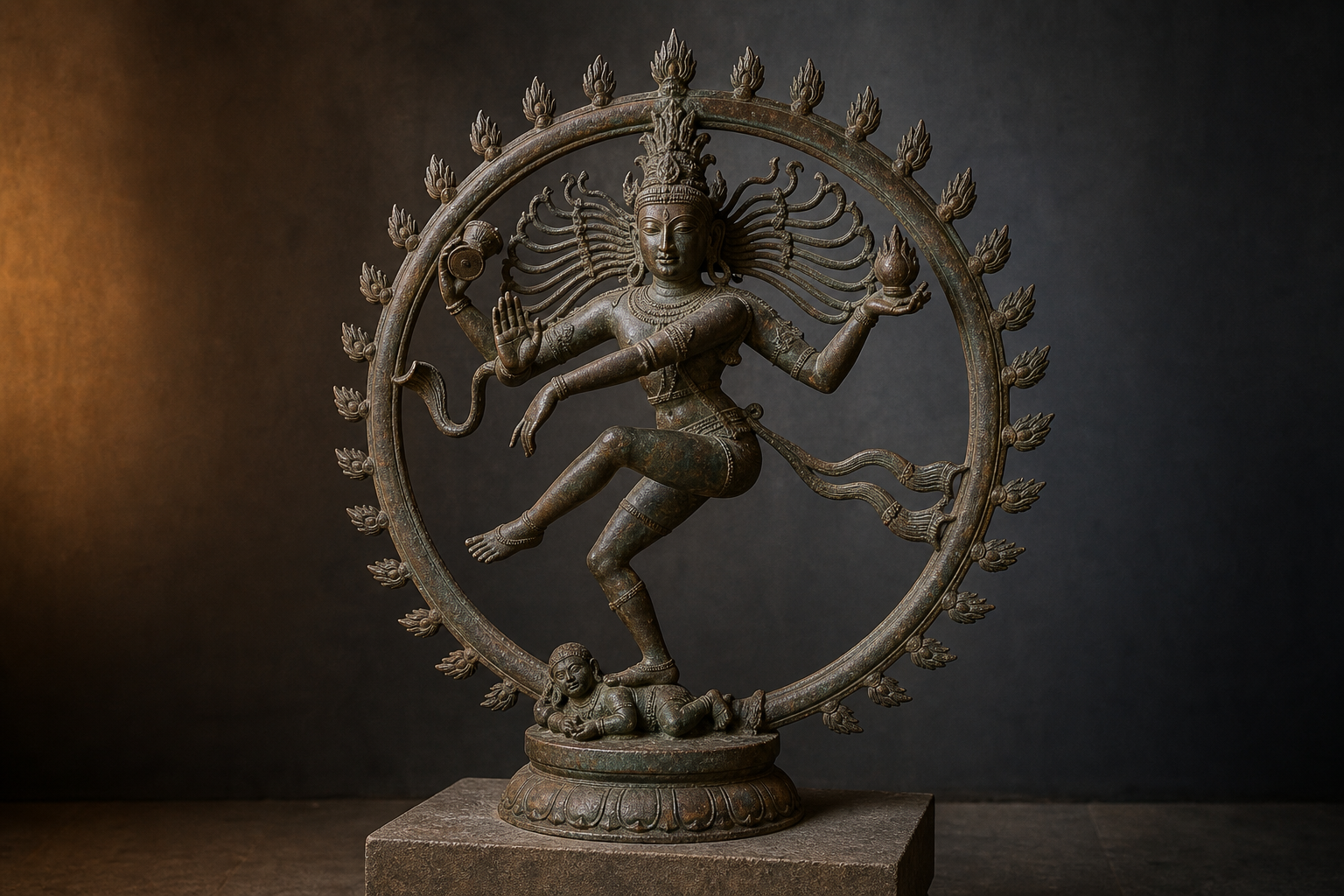
How to Read Authenticity and Symbolism in Hindu Sacred Art
-
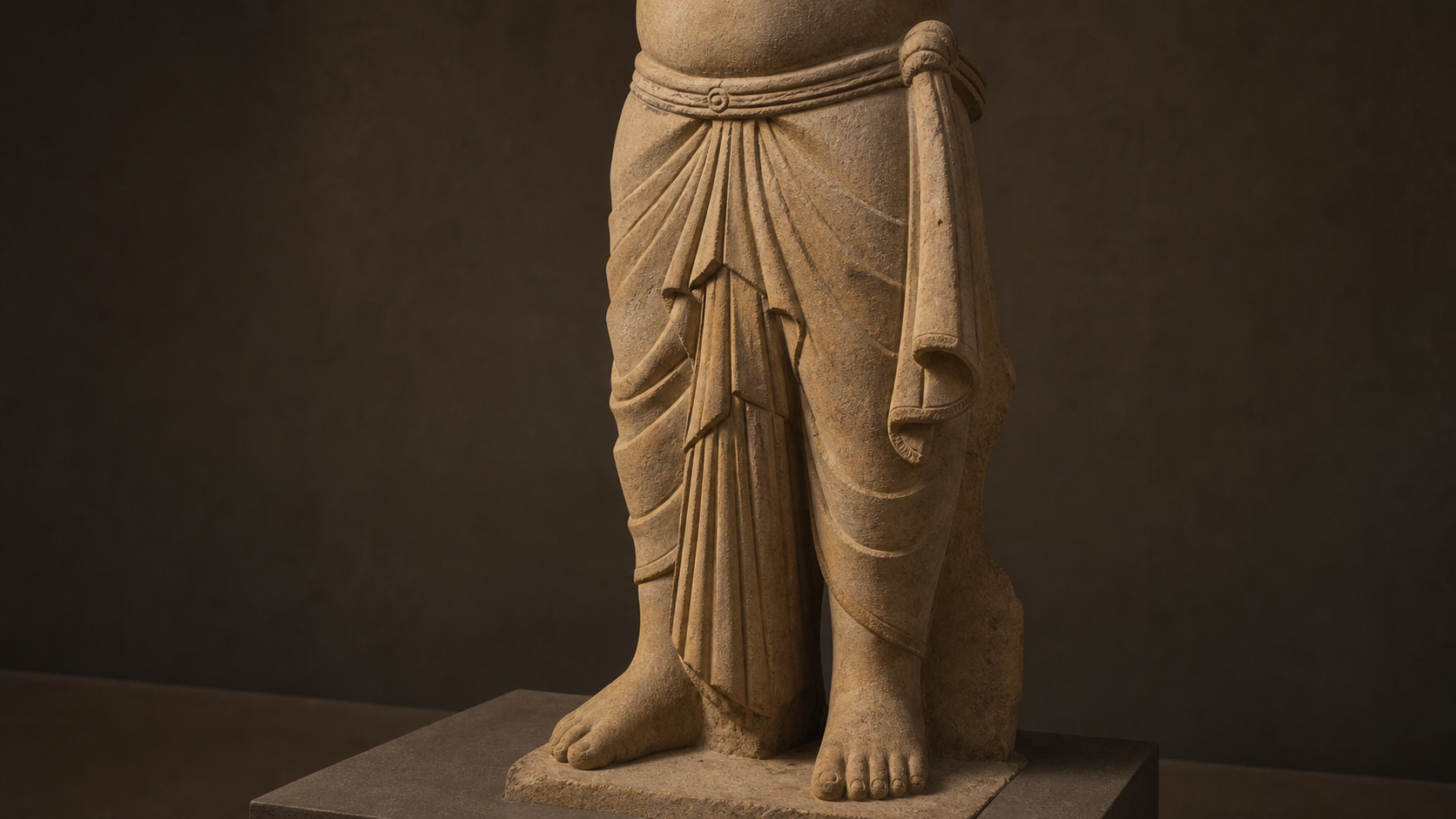
How to Read the Antariya in Hindu Sculpture and Iconography
-
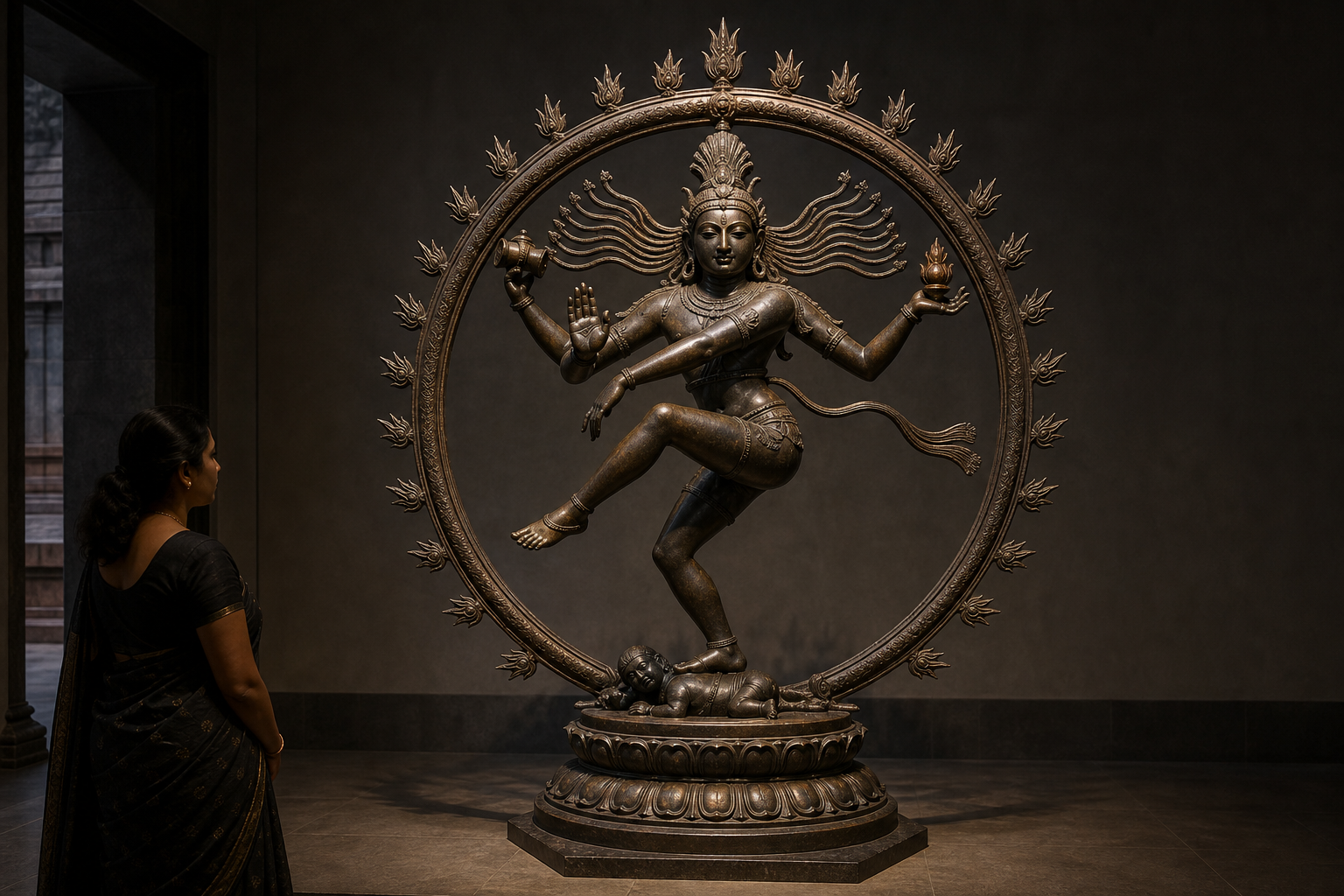
How to Read Hindu Sculpture: Iconography and Ritual Meaning
-
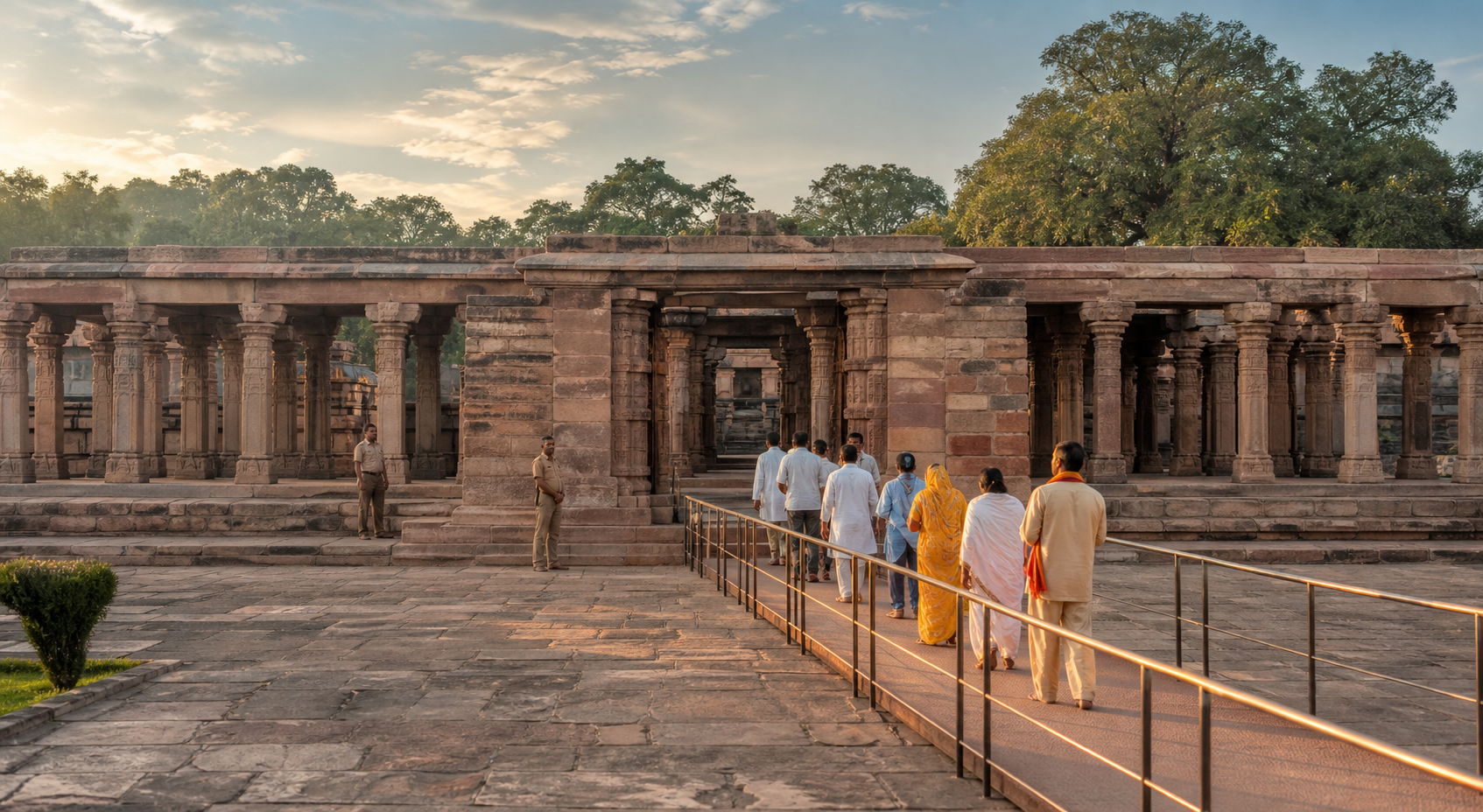
Bhojshala’s Religious Status: What Heritage Law Requires
-
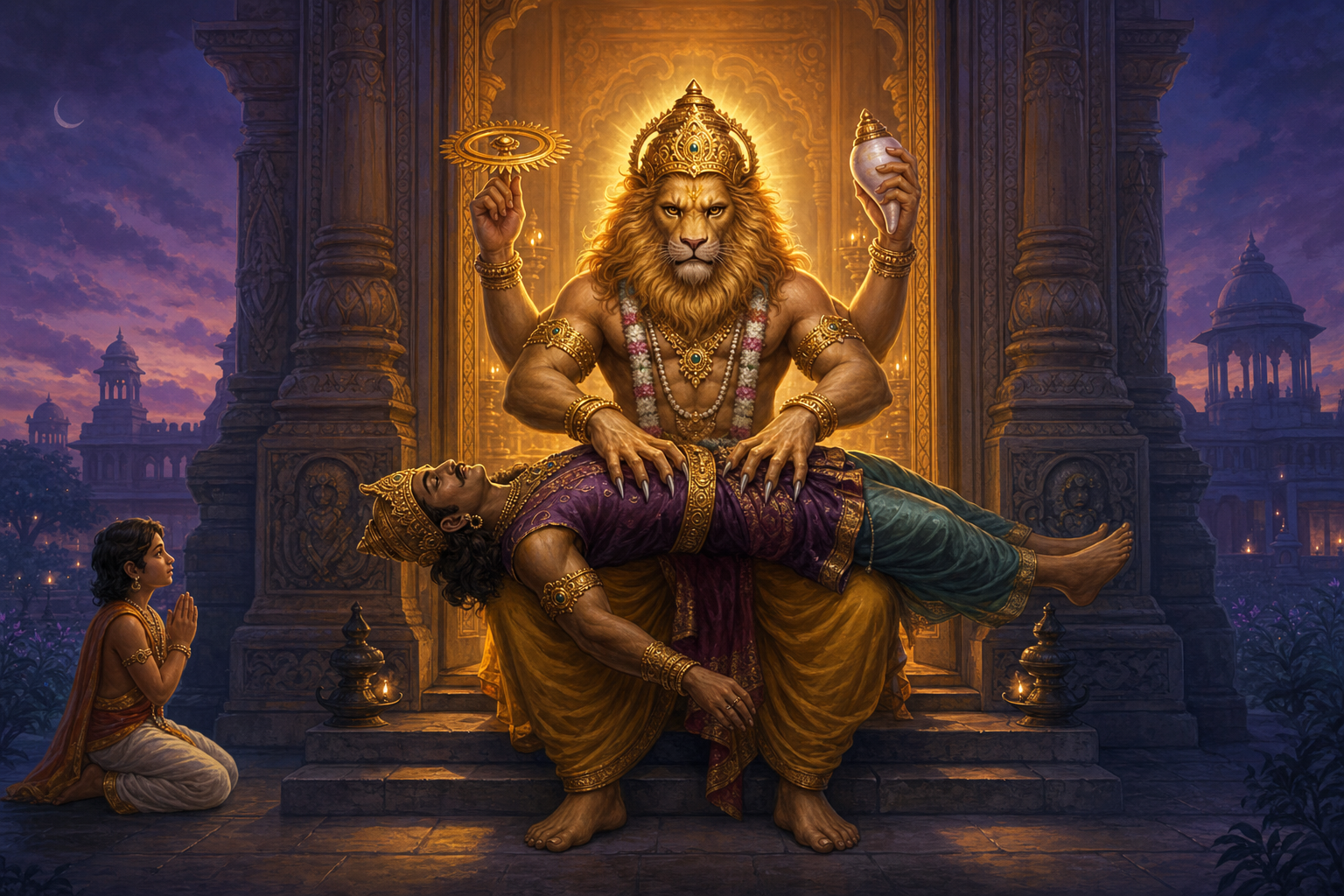
How to Read Narasimha’s Sacred Claws in Hindu Art