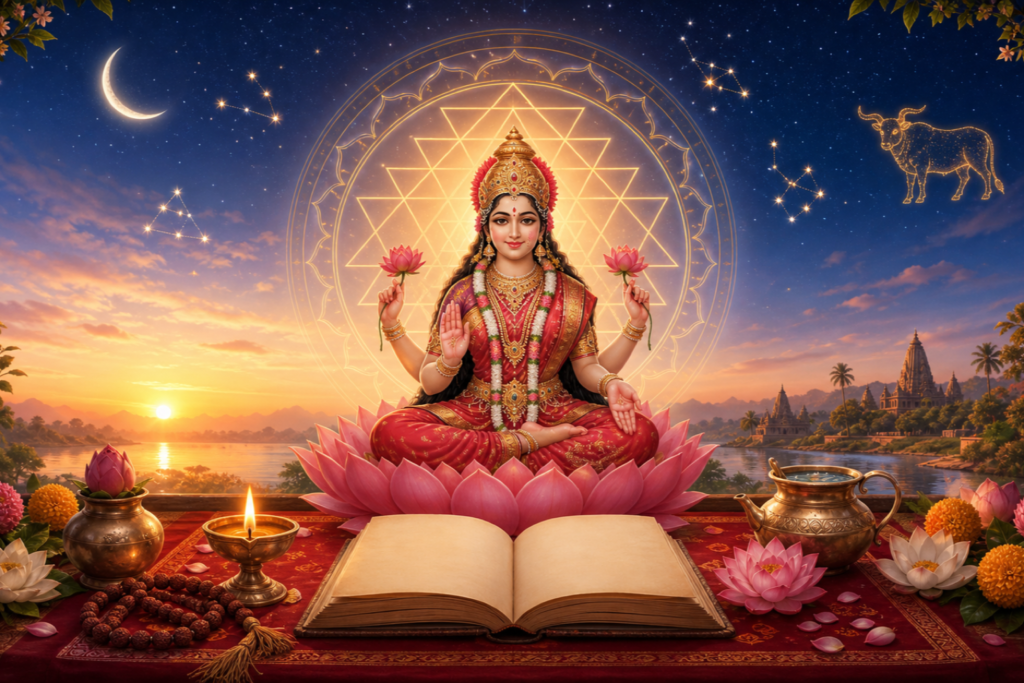
Sakat Chauth is an auspicious vrata observed on Magha Krishna Paksha Chaturthi in the North Indian Hindi calendar. In 2026, Sakat Chauth falls on January 6. The vrata is traditionally dedicated to Goddess Sakat, with many households also venerating Shri Ganesha as Vighnaharta, seeking the removal of obstacles and the well-being of the family.
The observance is especially prominent across North India, including Uttar Pradesh, Madhya Pradesh, and Himachal Pradesh, with regional variations that enrich its cultural texture. Rooted in the Hindu calendar and seasonal rhythms of Magha, the festival blends devotion, fasting, and community remembrance in a way that is both intimate and public-spirited.
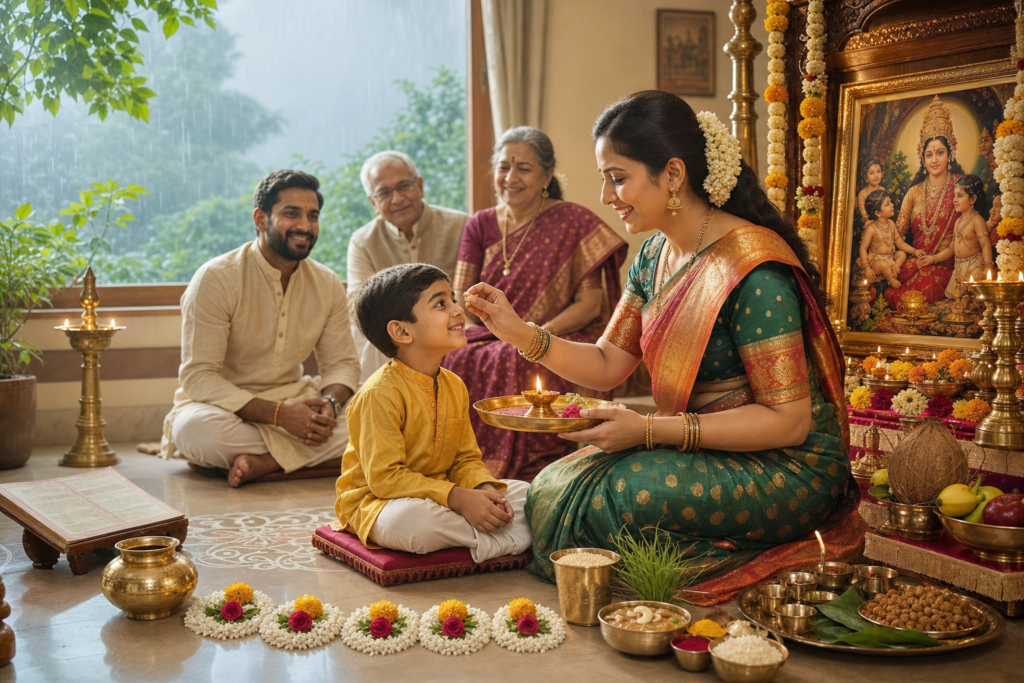
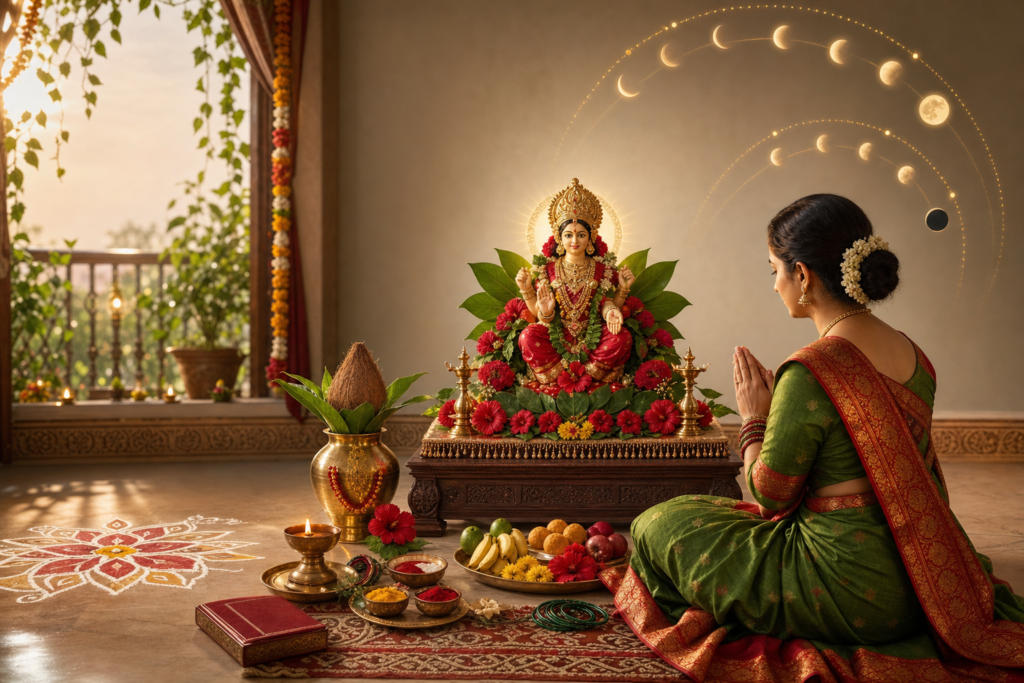
Ritual practice typically includes a day-long fast (vrata), prayers to Goddess Sakat, and offerings that often feature sesame (til) and jaggery, symbolizing warmth, nourishment, and auspiciousness during winter. In many regions, devotees perform evening worship at moonrise, offer arghya to the Moon, and conclude the fast, aligning the rite with the lunar cycle that shapes Magha Krishna Paksha Chaturthi.
While the vrata centers on protection and prosperity, its emotional heart lies in familial careespecially the well-being of children. Narratives shared within families emphasize resilience, grace, and the assurance that obstacles can be overcome through faith, discipline, and community support. These memories and practices foster an enduring sense of continuity, connecting present observances with ancestral devotion.
In numerous locales, Sakat Chauth is understood alongside the broader tradition of Sankashti Chaturthi, which honors Ganesha on every Krishna Paksha Chaturthi. This alignment strengthens the festival’s spiritual focus on removing difficulties (sankat) and nurturing inner steadiness through prayer and vrata.
Beyond its specific rites, Sakat Chauth resonates with the shared dharmic values found across Hinduism, Buddhism, Jainism, and Sikhismself-discipline, remembrance, gratitude, and seva. Such common ethical foundations encourage unity in diversity, inviting communities to recognize parallel paths of inner refinement and compassionate action.
For 2026, devotees may consult a trusted Panchang for precise tithi timings in their locality, as moonrise and regional calendars can vary. Observing Sakat Chauth with mindful offerings, clean intent, and community harmony preserves its cultural significance while deepening spiritual insight and household well-being.
Inspired by this post on Hindu Pad.